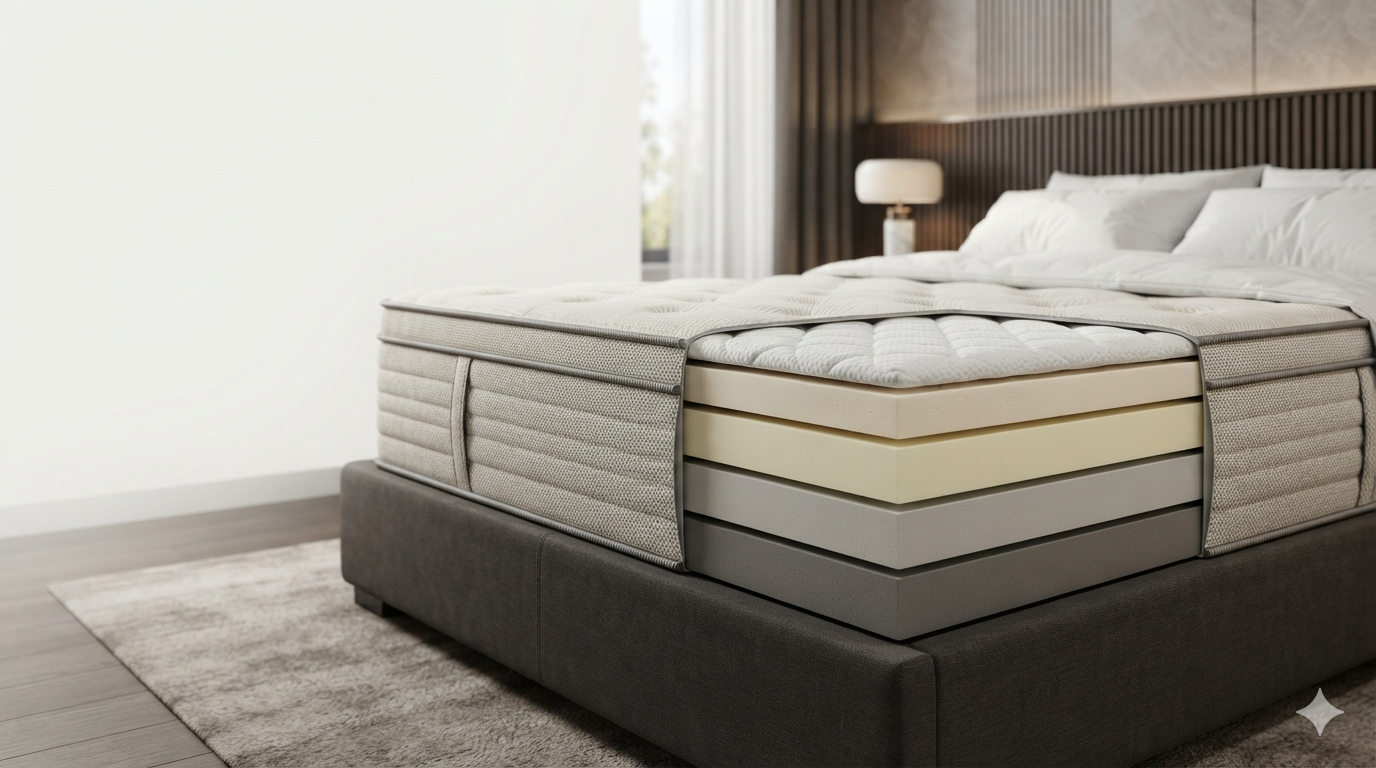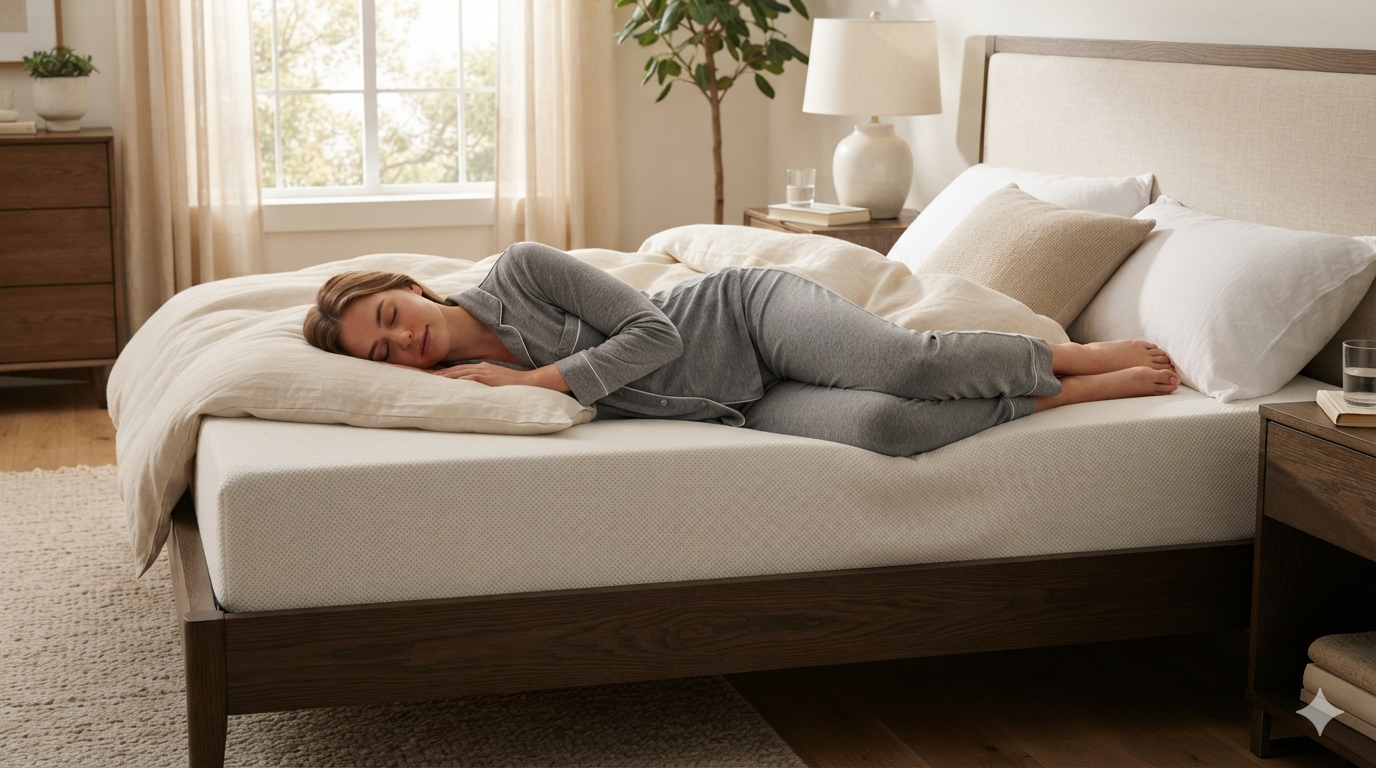

Every year, World Allergy Day gets people talking about pollen counts, pet fur, and dusty living rooms. What almost nobody talks about is the one place where allergens actually build up the most — the bed you sleep in for roughly a third of your life. In my experience helping people choose bedding over the years, the biggest allergy trigger in most homes isn't outside at all. It's sitting right there under the sheets. Switching to a natural mattress and natural pillows is one of the simplest changes you can make, and honestly, it's the one most people overlook completely.
Key Takeaways
- Dust mites, not visible dirt, are the main allergy trigger hiding in most beds.
- A natural mattress made from latex, wool, or cotton naturally resists moisture and mould better than synthetic foam.
- Wool and natural latex regulate temperature, which keeps dust mite populations down.
- Small daily habits — washing bedding weekly, airing your mattress, controlling humidity — matter just as much as the mattress itself.
- Replacing old pillows every two to three years reduces allergen build-up significantly.
- Quality natural bedding is a long-term investment in both health and sustainability.
Table of Contents
- Why Your Bedroom Matters More Than You Think
- The Hidden Problem with Synthetic Bedding
- The Natural Difference: What Makes a Mattress "Natural"?
- Natural Latex Mattress Benefits
- Wool: The Fibre Most People Underestimate
- Organic Cotton and Airflow
- Natural Pillows for Allergies
- Better Sleep Starts with Better Air
- Tips for an Allergy-Friendly Bedroom
- Looking After Your Natural Mattress
- Why Quality Matters
- A Sustainable Choice
- Natural vs Synthetic Mattress: A Quick Comparison
- Pros and Cons of a Natural Mattress
- Why Choose Bennetts Bedrooms Portugal?
- Frequently Asked Questions
- Celebrate World Allergy Day by Investing in Better Sleep
Why Your Bedroom Matters More Than You Think
Quick answer: Your bedroom is often the most allergen-heavy room in the house because warmth, humidity, and shed skin cells create the perfect breeding ground for dust mites — long before you ever notice a problem.
Your bedroom should be the healthiest room in your home. Yet it's usually where allergens quietly pile up. Warmth, humidity, and skin cells create an ideal environment for microscopic dust mites, and although you'll never see them with the naked eye, they thrive in mattresses, pillows, and bedding.
What most people get wrong is assuming it's the mites themselves causing the sneezing and itching. It isn't. It's the proteins in their waste products. These can trigger:
- Sneezing
- Blocked or runny nose
- Itchy eyes
- Persistent coughing
- Wheezing
- Asthma flare-ups
- Eczema
For allergy sufferers, cutting down exposure while sleeping can dramatically improve both sleep quality and overall health. I've seen this happen many times with customers who assumed their morning congestion was just "normal" — until they changed their mattress and pillows and the symptoms eased within weeks.
The Hidden Problem with Synthetic Bedding
Many conventional mattresses and pillows are made using synthetic foams and petroleum-based materials. They can look comfortable in the showroom, but in practice they often come with a few real downsides:
- Reduced breathability
- Heat retention
- Increased moisture build-up
- Faster deterioration
- Chemical flame retardants
- Volatile Organic Compounds (VOCs) that release unpleasant odours
Warm, damp environments are exactly what dust mites and mould need to thrive, which makes synthetic bedding a poor match for anyone dealing with allergies. If you've ever woken up overheated and sweaty, that heat retention is doing more than ruining your sleep — it's actively encouraging the allergens you're trying to avoid.
The Natural Difference: What Makes a Mattress "Natural"?
Quick answer: A genuinely natural mattress combines materials like natural latex, wool, organic cotton, horsehair, coir, or bamboo fibre — chosen because each one regulates temperature and moisture on its own, without synthetic additives.
Natural materials have been used in bedding for centuries because they regulate temperature, manage moisture, and simply last. A well-made natural mattress and pillows combination often includes:
- Natural latex
- Organic cotton
- Wool
- Horsehair
- Coconut fibre (coir)
- Bamboo fibres
Each material brings something different to the table, and together they create a genuinely healthier sleeping environment — not just a marketing label on a mattress tag.
Natural Latex Mattress Benefits
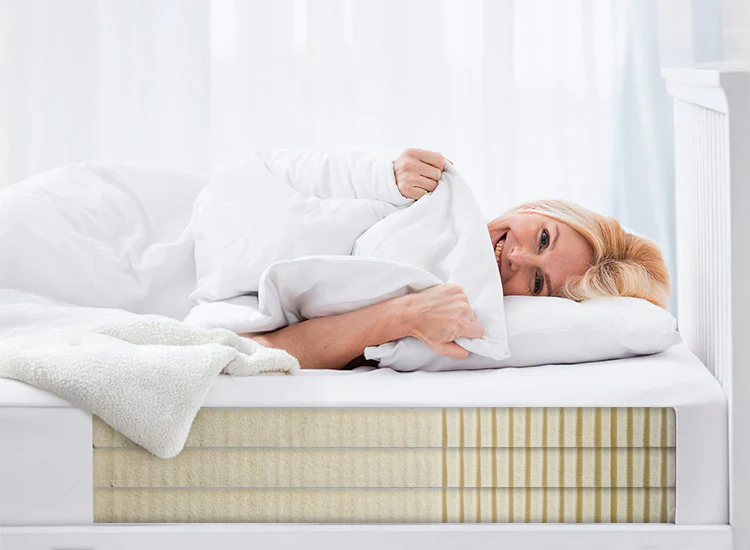
Natural latex is harvested from the sap of rubber trees, and unlike synthetic foam, it behaves completely differently once it's inside a mattress. It's naturally:
- Breathable
- Resilient
- Durable
- Resistant to dust mites
- Resistant to mould growth
Its open-cell structure lets air circulate freely, which keeps the mattress fresh and dry year-round. Honestly, I made the mistake early on of assuming all "latex" mattresses were the same — until I saw how differently a genuine natural latex core performs compared to a synthetic blend that's mostly marketing.
Wool: The Fibre Most People Underestimate
Most people are surprised to learn that wool is one of nature's best-performing fibres in a mattress. Wool naturally:
- Wicks moisture away
- Helps regulate body temperature
- Reduces humidity inside the mattress
- Discourages dust mites
- Resists mould
It keeps you warm in winter and noticeably cooler during the Portuguese summer, which is exactly the kind of year-round balance that matters if you live somewhere with hot, dry summers and mild, damp winters like the Algarve.
Organic Cotton and Airflow
Organic cotton adds softness while still allowing excellent airflow through the mattress. Unlike heavily processed synthetic fabrics, natural cotton breathes, absorbs moisture, and creates a noticeably fresher sleeping surface over time — not just on the first night.

Natural Pillows for Allergies
Quick answer: Natural pillows filled with latex, wool, or other natural fibres support your neck properly while resisting the moisture and heat build-up that lets dust mites multiply — something most synthetic-fill pillows simply can't match.
A pillow supports your head for around eight hours every single night, which is longer than most other things you touch daily. Choosing the right one affects:
- Neck alignment
- Shoulder comfort
- Breathing
- Overall sleep quality
Natural pillows filled with latex, wool, or natural fibres provide excellent support without trapping excessive heat or moisture, and this is where things get real for a lot of allergy sufferers — they'll replace the mattress but keep the same old synthetic pillow for years, which undoes half the benefit.
Better Sleep Starts with Better Air
Indoor air quality has a bigger influence on sleep than most people realise. When your mattress and pillows breathe naturally, they reduce the humidity trapped inside the bed itself. Lower humidity means:
- Less mould
- Fewer dust mites
- Fresher bedding
- Improved comfort
This creates a healthier sleeping environment for everyone in the house, not just people with diagnosed allergies. A natural mattress genuinely changes the air you breathe for eight hours a night.

Tips for an Allergy-Friendly Bedroom
Creating a healthier bedroom doesn't require a renovation. Small daily habits make a real difference, and most people ignore this part entirely because it feels too simple to matter.
Wash Bedding Weekly
Sheets, pillowcases, and duvet covers should be washed weekly at 60°C where the fabric allows. This removes allergens and keeps dust mite populations down.
Vacuum Regularly with a HEPA Filter
Vacuum floors, rugs, upholstered furniture, mattress surfaces, and bed frames using a vacuum fitted with a HEPA filter.
Reduce Clutter
Books, ornaments, and unnecessary soft furnishings all collect dust. Keeping the bedroom simple makes cleaning easier and reduces allergen build-up over time.
Control Humidity
Dust mites love humidity. Aim to keep bedroom humidity between 40% and 50%. Open windows when the weather allows, or use a dehumidifier if needed.
Air Your Mattress Every Morning
Remove the duvet each morning for 20 to 30 minutes. Letting your mattress breathe helps moisture evaporate naturally instead of soaking in.
Replace Old Pillows
Pillows gradually accumulate dust, skin cells, moisture, and allergens. Even with regular washing, most pillows benefit from replacement every two to three years, depending on materials and condition.
Choose a Washable Mattress Protector
A high-quality, breathable mattress protector helps reduce allergens while protecting your investment. Wash it regularly following the manufacturer's instructions.
Keep Pets Off the Bed
As much as we love our pets, pet dander is a common allergy trigger. Keeping pets off the bed significantly reduces allergen exposure overnight.
Looking After Your Natural Mattress
A premium natural mattress is built to last for years, and simple care habits help maximise both comfort and lifespan.
- Rotate regularly — every three months unless the manufacturer advises otherwise, to promote even wear.
- Use proper support — always place your mattress on a suitable slatted base or approved foundation to encourage airflow underneath.
- Avoid excess moisture — natural materials breathe exceptionally well but should still be protected from prolonged dampness.
- Keep it clean — vacuum occasionally with a soft upholstery attachment and avoid harsh chemical cleaners that can damage natural fibres.
- Use breathable bedding — natural cotton, linen, and wool bedding complement the mattress by letting moisture escape rather than trapping it.
Why Quality Matters
Not all "natural" mattresses are made equally, and this is where a lot of people get caught out by clever labelling. High-quality manufacturers combine premium natural materials with genuine craftsmanship to deliver:
- Outstanding comfort
- Excellent spinal support
- Long-lasting durability
- Superior breathability
- Reduced allergens
- Sustainable performance
A quality natural mattress is an investment in your health, not just another household purchase you replace every few years out of necessity.
A Sustainable Choice
Natural mattresses aren't only healthier for people — they're usually kinder to the planet too. Responsibly sourced natural materials typically carry a lower environmental impact than petroleum-based synthetic foams, and many premium natural mattresses last considerably longer, which means less ends up in landfill. Choosing quality over disposable products benefits both your family and the environment at the same time.
Natural vs Synthetic Mattress: A Quick Comparison
| Feature | Natural Mattress | Synthetic Foam Mattress |
| Breathability | High — open-cell latex and natural fibres | Lower — dense foam retains heat |
| Moisture control | Wicks moisture away naturally | Traps moisture more easily |
| Dust mite resistance | Naturally resistant | More hospitable environment |
| Chemical off-gassing | Minimal to none | Possible VOC odours |
| Typical lifespan | Longer with proper care | Shorter, faster deterioration |
Pros and Cons of a Natural Mattress
Pros
- Naturally resistant to dust mites and mould
- Better temperature regulation year-round
- Longer lifespan than most synthetic alternatives
- Lower environmental impact when responsibly sourced
- Fewer VOCs and chemical odours
Cons
- Higher upfront cost than budget synthetic foam
- Fewer ultra-soft "sinking" feel options for those who prefer that specific sensation
- Requires proper slatted support for best airflow performance
Why Choose Bennetts Bedrooms Portugal?
At Bennetts Bedrooms Portugal, we understand that every sleeper is different. We carefully select premium natural mattresses and pillows that combine luxurious comfort with outstanding support and healthier sleep.
Our team takes the time to understand your individual needs, helping you choose the right mattress and pillow for your body, your sleeping position, and your lifestyle here in the Algarve. Whether you're looking for allergy relief, better sleep quality, or simply a long-term investment in comfort, we offer carefully curated products from manufacturers known for genuine quality and craftsmanship — because everyone deserves restorative sleep in a healthy, natural environment.
Frequently Asked Questions
What is a natural mattress made of?
A natural mattress typically combines materials such as natural latex, organic cotton, wool, horsehair, coir, or bamboo fibre, chosen for breathability and moisture control rather than synthetic foam.
Are natural mattresses better for allergies?
Yes. Natural materials like latex and wool naturally resist dust mites and mould, which are two of the most common triggers behind bedroom-related allergy symptoms.
How often should I replace my pillows?
Most pillows should be replaced every two to three years, even with regular washing, since they gradually accumulate dust, moisture, and skin cells.
Can dust mites live in a natural latex mattress?
Natural latex is far less hospitable to dust mites than synthetic foam because its open-cell structure stays drier and doesn't trap the moisture mites need to survive.
What humidity level is best for an allergy-friendly bedroom?
Aim to keep bedroom humidity between 40% and 50%. Anything higher tends to encourage dust mites and mould growth.
Do I need a mattress protector with a natural mattress?
Yes, a breathable, washable mattress protector helps reduce allergen build-up further while protecting your investment, even with naturally resistant materials.
How often should I rotate a natural mattress?
Rotate your mattress roughly every three months, unless the manufacturer gives different guidance, to encourage even wear over its lifespan.
Is wool bedding hot to sleep on in summer?
No. Wool actively wicks away moisture and regulates temperature, which typically makes it feel cooler in summer than synthetic bedding.
What's the difference between natural latex and memory foam?
Natural latex has an open-cell structure that breathes and resists moisture, while memory foam is a denser synthetic material that tends to retain heat and moisture more easily.
Can pets on the bed make allergies worse?
Yes. Pet dander is a common allergy trigger, and keeping pets off the bed noticeably reduces allergen exposure during sleep.
Is a natural mattress worth the higher price?
For most allergy sufferers and long-term sleepers, yes — the combination of durability, breathability, and reduced allergens tends to offset the higher upfront cost over the mattress's lifespan.
Celebrate World Allergy Day by Investing in Better Sleep
World Allergy Day is a good excuse to make a change that pays off every single night of the year, not just once a year. Choosing a natural mattress, natural pillows, and building a few simple bedroom habits can genuinely reduce allergens, improve air quality, and give you more restorative sleep.
If you're ready to stop guessing and actually fix the problem, start with the bed itself. At Bennetts Bedrooms Portugal, we're happy to help you find the right natural mattress and pillow combination for your home, your body, and your budget — because great days really do begin with great sleep, and great sleep begins naturally.