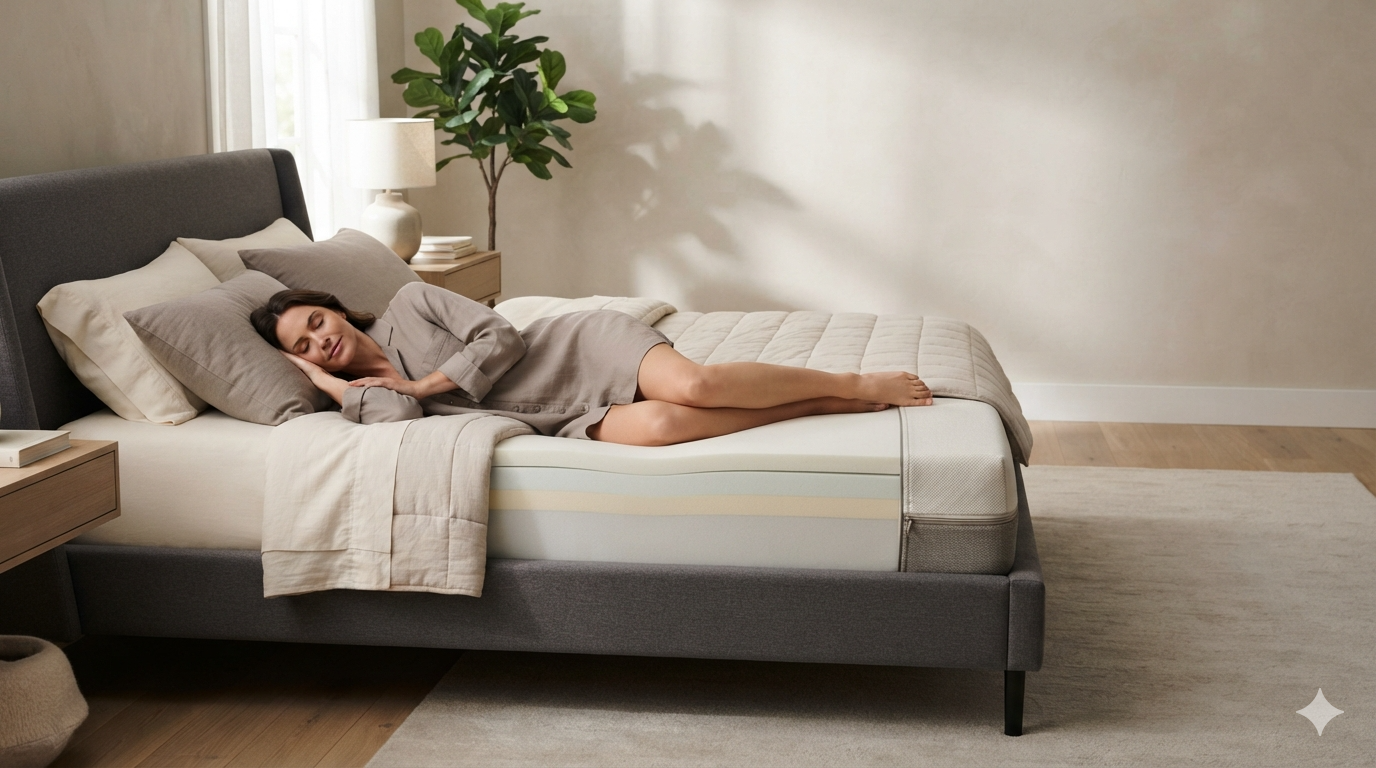
You wake up at 2 AM soaked in sweat, kick off the covers, flip the pillow to the cool side — and thirty minutes later, you're hot again. If that sounds painfully familiar, you're not alone. Millions of people struggle with sleeping hot every single night, and most of them are blaming the wrong thing. Finding the best cooling foam mattress for hot sleepers isn't just about comfort — it can genuinely transform your health, your mood, and how you function every day.
I've spent years testing mattresses, digging into sleep science, and talking to people who've tried everything. This guide is the honest, no-nonsense breakdown I wish I'd had when I first started searching.
Key Takeaways
- Traditional memory foam traps heat — cooling foam uses specific technologies to fight that
- Not all "cooling" mattresses are equal — gel, graphite, copper, PCM, and open-cell foam perform differently
- Your bedding, room temperature, and mattress foundation all affect how hot you sleep
- CertiPUR-US and OEKO-TEX certifications matter more than most people realize
- Cooling technologies can degrade over time — know what to expect at 3–5 years
Table of Contents
- Why Hot Sleepers Struggle to Find the Right Mattress
- What Is a Cooling Foam Mattress and How Does It Work?
- Cooling Foam Technologies Explained
- Quick Comparison Table: Cooling Technologies
- Best Cooling Foam Mattress Types for Different Sleepers
- Best Cooling Foam Mattress for Night Sweats
- Cooling Foam vs Traditional Memory Foam
- Cooling Foam vs Hybrid Mattress
- Cooling Foam vs Latex Mattress
- Common Cooling Mattress Buying Mistakes
- Step-by-Step Guide: How to Choose the Best Cooling Foam Mattress
- How Cooling Mattresses Perform After 3–5 Years
- Mattress Certifications That Actually Matter
- Your Bedding May Be Making You Hotter
- Do Cooling Foam Mattresses Actually Work?
- AI Tools and Smart Sleep Technology for Hot Sleepers
- Smart Home Automation for Cooler Sleep
- Real-Life Use Cases
- Pros and Cons
- Frequently Asked Questions
- Final Buying Checklist
Why Hot Sleepers Struggle to Find the Right Mattress
Here's something most mattress brands won't tell you: overheating during sleep isn't just uncomfortable — it actively destroys your sleep quality at a biological level. Your body needs to drop its core temperature by 1–2°F to enter and maintain deep sleep. When your mattress traps heat, it fights that natural process every single hour of the night.
REM sleep — the restorative phase where your brain consolidates memory and your body repairs itself — is especially sensitive to temperature. Disrupted thermoregulation means less time in REM, more nighttime wake-ups, and that foggy, exhausted feeling no amount of coffee seems to fix.
Traditional memory foam is a notorious heat trap. Its dense, closed-cell structure conforms beautifully to your body — but that same structure blocks airflow and absorbs body heat like a sponge. The mattress that felt great at 10 PM becomes a furnace by 1 AM.
Common symptoms that your mattress is making you overheat include:
- Waking up damp or soaked
- Constantly flipping or moving to find a cool spot
- Feeling too hot within 30–60 minutes of lying down
- Restless sleep despite a "cool" bedroom
- Morning fatigue even after 7–8 hours
In My Experience, Most Hot Sleepers Blame the Wrong Thing
I hear this all the time: "My room is cold, I don't understand why I'm sweating." Honestly, I made this mistake too. Bedroom temperature matters, but if your mattress is creating a heat pocket right beneath you, dropping the thermostat to 65°F won't fully solve it.
Bedding is another underrated culprit. Flannel sheets, thick duvets, and polyester covers can trap heat regardless of your mattress. And airflow under the mattress matters more than people think — a solid platform bed with no gaps can turn even a decent mattress into a sauna.
What Most People Get Wrong About Cooling Mattresses
Marketing language has gotten out of hand. "Arctic cool," "icy fresh," "temperature-regulating" — these phrases describe wildly different performance levels. Some mattresses use a thin gel layer on top that feels cool for about twenty minutes. Others use advanced phase change materials that genuinely regulate temperature across the full sleep cycle.
The difference is in the technology, density, and construction — not the marketing copy.
What is a cooling foam mattress? A cooling foam mattress is a foam mattress engineered with heat-dissipating materials — such as gel, graphite, copper, or open-cell foam structures — designed to draw heat away from your body, improve airflow, and maintain a lower sleep surface temperature throughout the night for more restful, uninterrupted sleep.
What Is a Cooling Foam Mattress and How Does It Work?
At its core, a cooling foam mattress is designed to do the opposite of what traditional foam does: instead of absorbing and holding body heat, it actively moves that heat away from your body or prevents it from building up in the first place.
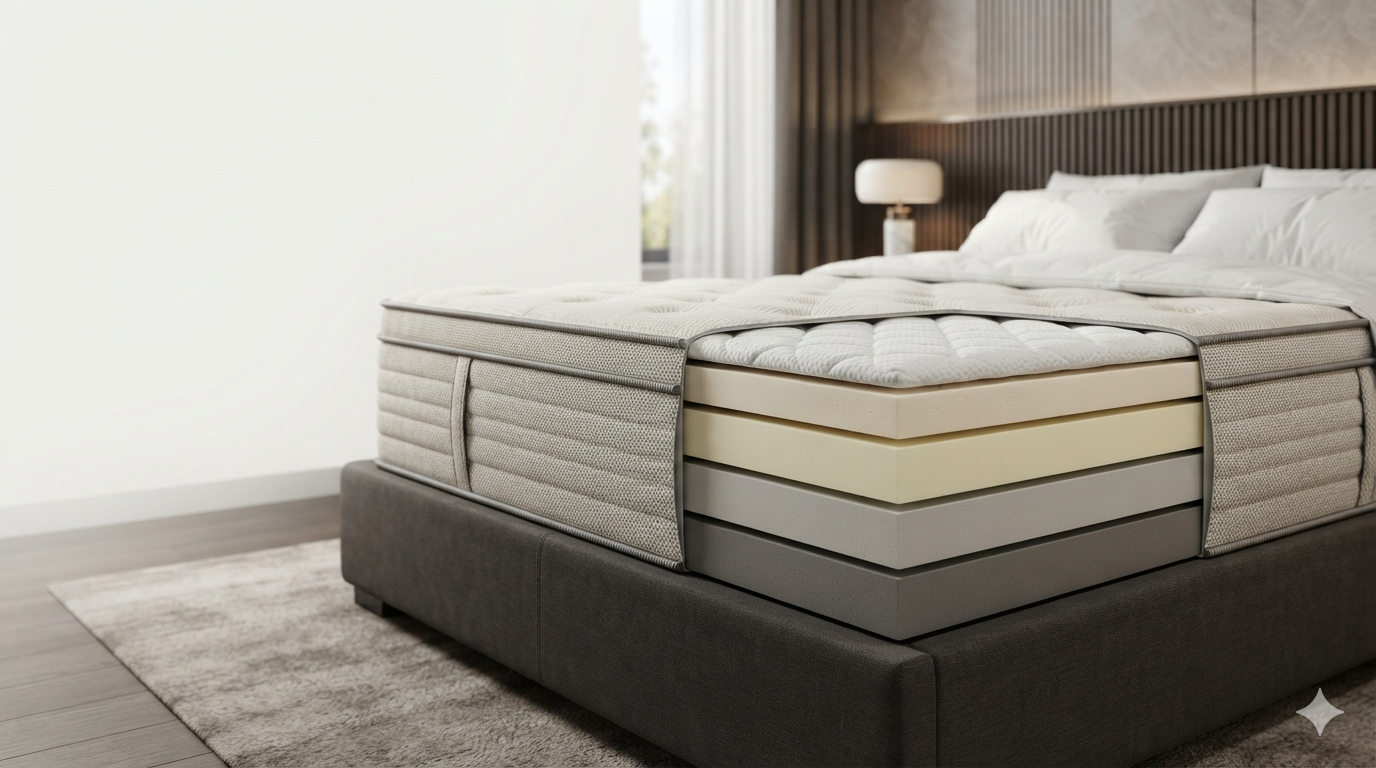
Traditional foam traps warmth because of its dense, closed structure. Cooling foams are engineered differently — either by infusing heat-absorbing materials directly into the foam, changing the foam's cellular structure to allow airflow, or combining multiple technologies across layers.
The Science Behind Temperature Regulation
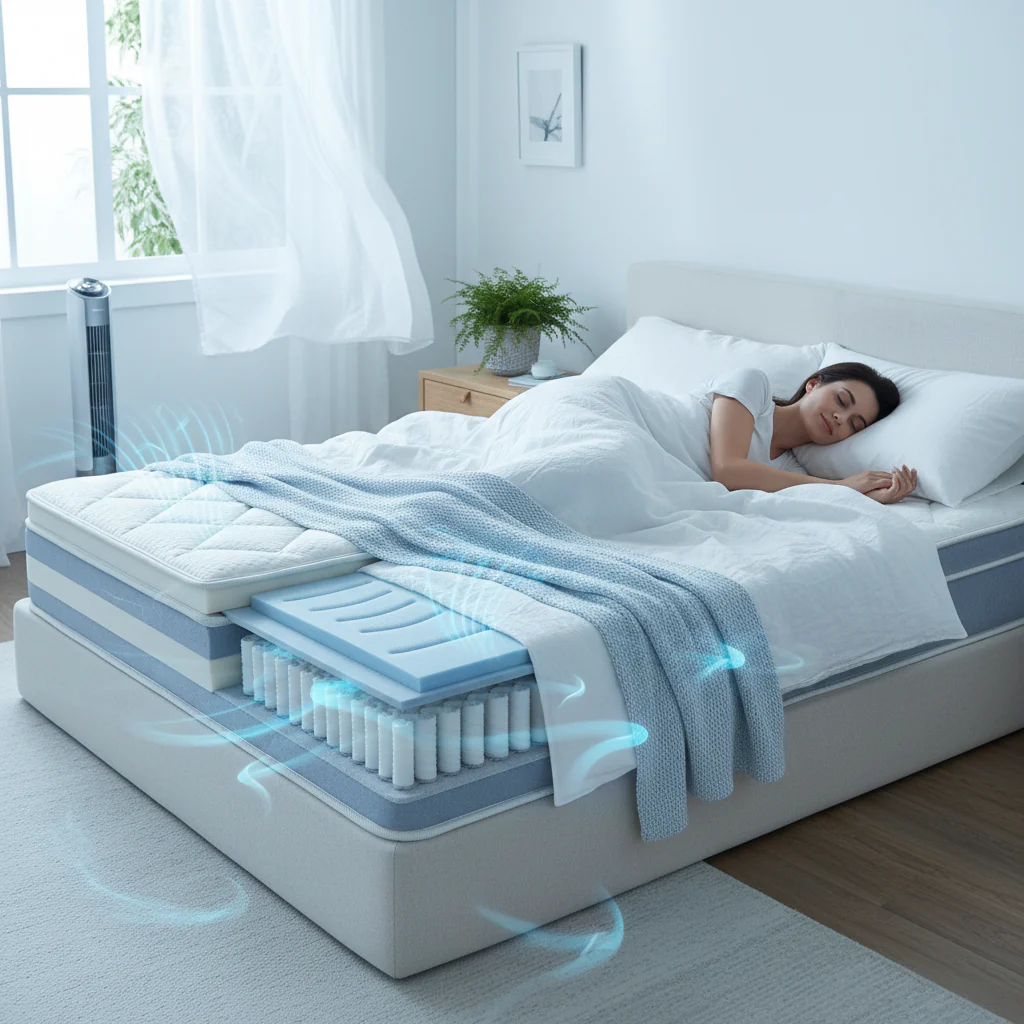
Your body releases heat through conduction (direct contact), convection (airflow), and evaporation (sweat). A good cooling mattress works with all three. It conducts heat away via materials like gel or copper, allows convection through open-cell or ventilated structures, and supports evaporation by not trapping moisture against your skin.
Moisture-wicking mattress covers add another layer — pulling sweat away before it creates that clammy, uncomfortable feeling that wakes so many people up.
Why Standard Memory Foam Retains Heat
Standard memory foam uses a dense, closed-cell structure that's excellent at conforming to your body shape — but that very quality is the problem. The foam molds tightly around you, reducing air movement, and the material itself absorbs warmth. The closer the foam hugs you, the more heat gets trapped between you and the mattress. It's a fundamental tradeoff that cooling technologies specifically try to solve.
How cooling foam mattresses work — step by step:
- Step 1: Your body begins releasing heat as you lie down
- Step 2: Cooling materials (gel, graphite, copper) absorb and disperse that heat laterally
- Step 3: Open-cell or ventilated foam structures allow air to circulate through the mattress
- Step 4: Moisture-wicking covers pull sweat away from the skin surface
- Step 5: PCM materials (if present) absorb excess heat when temperature spikes and release it when you cool down
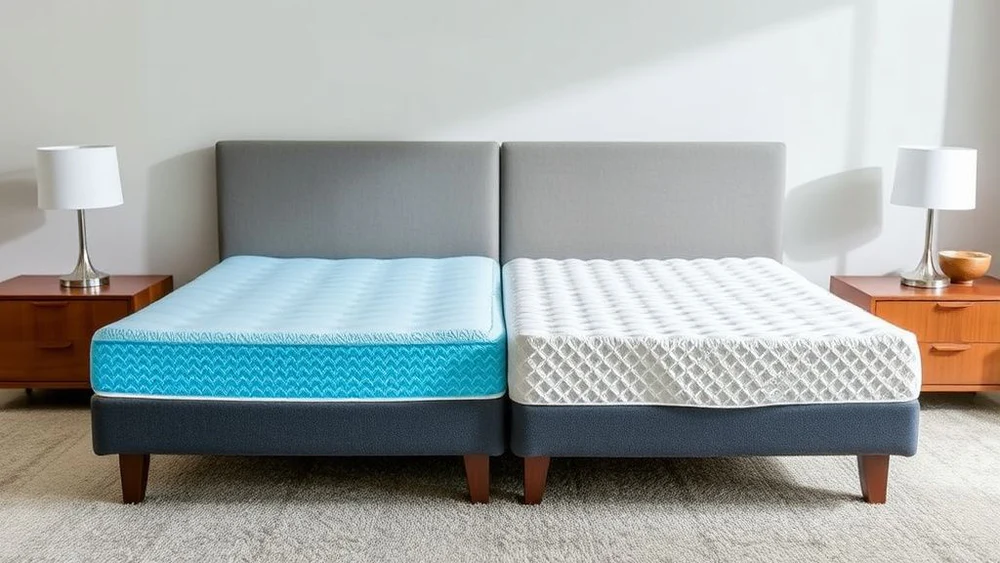
Cooling Foam Technologies Explained (Which One Actually Works?)
This is where things get real. Not all cooling foam is created equal, and most competitor reviews gloss over the long-term performance differences. Let me break down each technology honestly.
Gel-Infused Memory Foam
Gel beads or liquid gel is blended into or layered over the foam. Gel has a higher specific heat capacity than foam, meaning it absorbs more heat before warming up. The limitation? Gel eventually reaches equilibrium with your body temperature. It works well for the first few hours but can feel warm by morning. Great for moderate heat sleepers; not enough for severe overheating.
Graphite-Infused Foam
Graphite is a naturally excellent conductor of heat. When infused into foam, it pulls heat away from the surface and spreads it across a larger area, dissipating it more effectively than gel. In my experience, graphite-infused foam tends to perform more consistently through the night compared to basic gel infusions.
Copper-Infused Foam
Copper is one of the best heat conductors available. Copper-infused foams cool quickly and efficiently. Bonus: copper has natural antimicrobial properties, which means less bacterial buildup over time — a real advantage for hot sleepers who sweat more. The downside is price; copper adds cost.
Open-Cell Foam Construction
This is a structural solution rather than a material one. Open-cell foam has a more porous, interconnected structure that allows air to flow freely through the mattress. Combined with other cooling technologies, open-cell construction significantly improves breathability. It's often underrated in comparison to flashier gel or copper infusions.
Phase Change Materials (PCM)
PCM is the most advanced cooling technology available. These materials absorb excess heat when your body temperature rises above a set threshold — essentially acting as a thermal buffer. When you cool down, the PCM releases that stored heat back. The result is a more consistent sleep surface temperature across the entire night. PCM typically costs more but delivers genuinely superior performance for severe hot sleepers.
Ventilated Foam Layers
Air channels are physically cut or molded into foam layers, creating pathways for airflow. When combined with open-cell construction and cooling materials, ventilated layers represent the most comprehensive engineering approach to cooling. You'll find this in premium mattress models targeting serious hot sleepers.
Quick Comparison Table: Cooling Technologies Compared
| Technology | Cooling Power | Durability | Price Range | Best For |
| Gel Foam | Moderate | Good | $ | Mild heat sleepers |
| Graphite Foam | Good | Very Good | $$ | Consistent coolers |
| Copper Foam | Very Good | Very Good | $$–$$$ | Heavy sweaters + hygiene |
| PCM Technology | Excellent | Good | $$$ | Severe hot sleepers |
| Open-Cell Foam | Good | Excellent | $–$$ | Breathability seekers |
Which cooling foam technology is best? For most hot sleepers, copper-infused or graphite-infused open-cell foam offers the best balance of performance and durability. For severe overheating or night sweats, phase change materials provide superior all-night temperature regulation, though at a higher price point.
Best Cooling Foam Mattress Types for Different Sleepers
Best for Side Sleepers
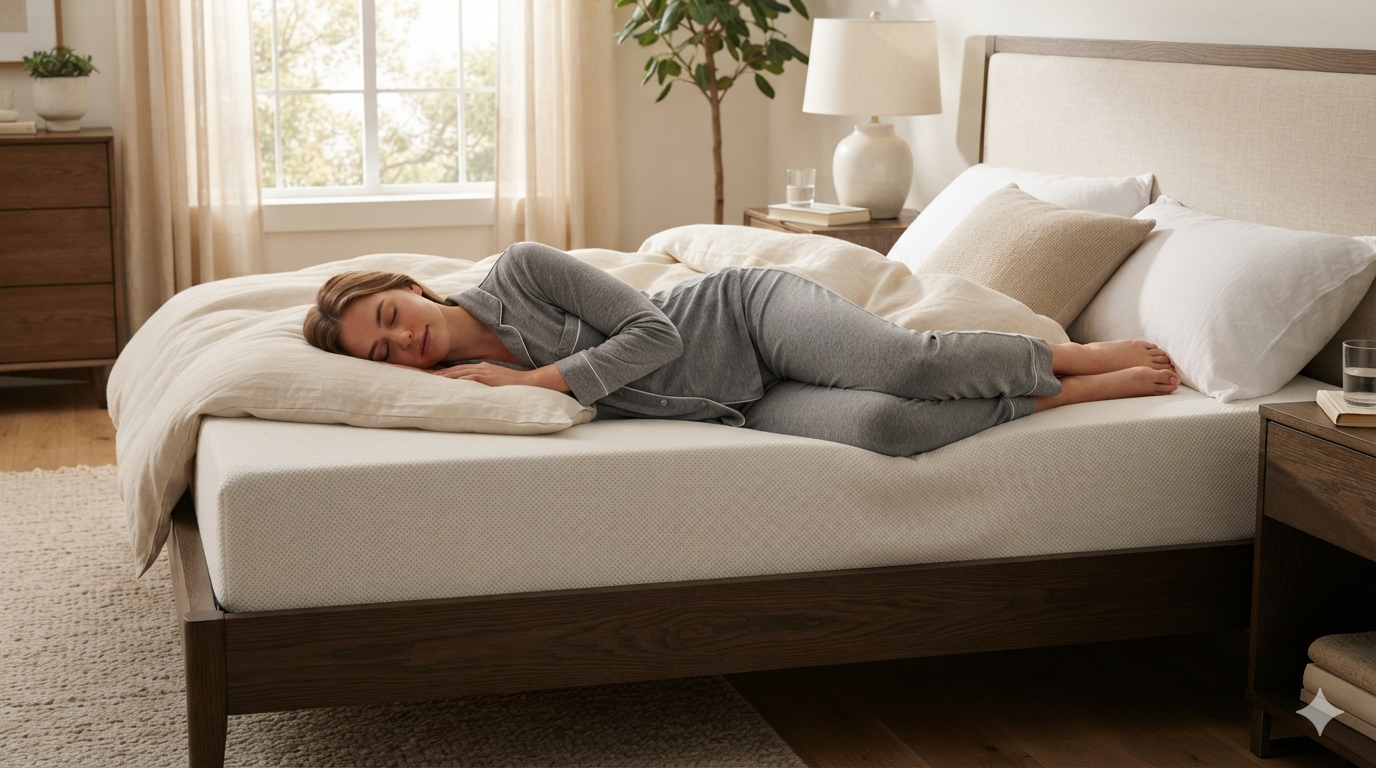
Side sleepers need pressure relief at the shoulders and hips first — cooling second. Look for medium-soft (3–5 ILD range) cooling foam with good contouring. A gel or copper-infused top layer handles heat while the conforming foam handles pressure points. Without enough give, shoulder and hip pain will wake you up long before overheating does.
Best for Back Sleepers
Back sleepers need spinal alignment more than deep contouring. A medium-firm cooling foam (5–6 ILD) with a supportive base layer and a breathable cooling top layer works best. Look for zoned support models if you struggle with lower back discomfort — the lumbar region needs firmer support while the shoulders can sink slightly.
Best for Stomach Sleepers
Stomach sleeping requires firmer foam to prevent the hips from sinking and causing lower back strain. Firm cooling foam (6–7 ILD) with ventilated layers or open-cell construction balances the support needs with adequate breathability. Heavy sinkage is particularly bad for stomach sleepers — both for spinal alignment and heat buildup.
Best for Heavy Sleepers
Body weight compresses foam more, which reduces airflow and increases heat retention. Heavier sleepers need high-density support layers (1.8 lb/ft³ or higher) combined with aggressive cooling technologies like copper-infused foam or ventilated layers. Open-cell construction is especially important here since compression reduces airflow through the mattress.
Best for Couples
Two people in one bed doubles the heat load. Motion isolation is critical (cooling foam handles this well compared to innerspring), but both sleepers need consistent temperature regulation. Look for models with full-coverage PCM or copper foam that doesn't concentrate heat toward the center of the bed where bodies tend to gravitate.
Also read: Best Foam Mattress for Couples (2026): Sleep Cooler, Move Less, and Finally Wake Up Rested Together
Best for Athletes
Athletes need recovery-focused sleep — and elevated body temperature after intense training makes the cooling factor even more critical. Look for copper-infused foam (antimicrobial + cooling) combined with moisture-wicking covers. Some athletes also benefit from PCM technology that manages the extra heat generated during muscle recovery phases at night.

Best Cooling Foam Mattress for Night Sweats
Night sweats are a specific problem that requires a specific solution. They can stem from medical conditions (menopause, hormonal shifts, thyroid issues, medications) or lifestyle factors (spicy food, alcohol, stress). The mattress alone won't cure night sweats — but the right one can dramatically reduce how disruptive they are.
For true night sweats, you need a mattress that combines heat dissipation, moisture-wicking properties, and fast temperature recovery. PCM materials combined with copper-infused foam and a breathable cover is the most effective combination I've seen.
Cooling Solutions for Menopause
Hot flashes and night sweats during menopause are among the most intense sleep disruptors people face. A PCM-equipped cooling mattress paired with moisture-wicking sheets and a smart thermostat can genuinely change quality of life here. One anonymous customer I spoke with described switching from washing her sheets every two days to doing it weekly — purely from a mattress change combined with bamboo sheets.
Cooling Solutions for Hormonal Changes
Hormonal shifts during pregnancy, postpartum recovery, and various medical treatments can all cause temperature dysregulation. Copper-infused foam works particularly well here because of its consistent all-night cooling and antimicrobial properties.
Cooling Solutions for Warm Climates
If you live somewhere like Bangladesh, South Asia, or anywhere with high heat and humidity, your mattress is fighting ambient conditions year-round. Ventilated foam layers and open-cell construction become essential rather than optional. Pair with a cooling mattress protector and moisture-wicking covers as a system.
Cooling Solutions for Excessive Sweating
For people with hyperhidrosis (excessive sweating), standard cooling foam may not be enough. A hybrid approach — cooling foam mattress plus a dedicated cooling mattress pad or topper with active water cooling — may be necessary for severe cases.
Cooling Foam Mattress vs Traditional Memory Foam
| Feature | Cooling Foam Mattress | Traditional Memory Foam |
| Temperature | Actively dissipates heat | Traps body heat |
| Pressure Relief | Very Good | Excellent |
| Motion Isolation | Excellent | Excellent |
| Durability | Good–Very Good | Good |
| Price | $$–$$$ | $–$$ |
| Best For | Hot sleepers, night sweats | Cold sleepers, pressure relief focus |
The tradeoff is real: traditional memory foam often provides slightly better pressure contouring because it doesn't need to compromise its structure for airflow. But if you sleep hot, that extra contouring means nothing when you're waking up at 2 AM overheated.
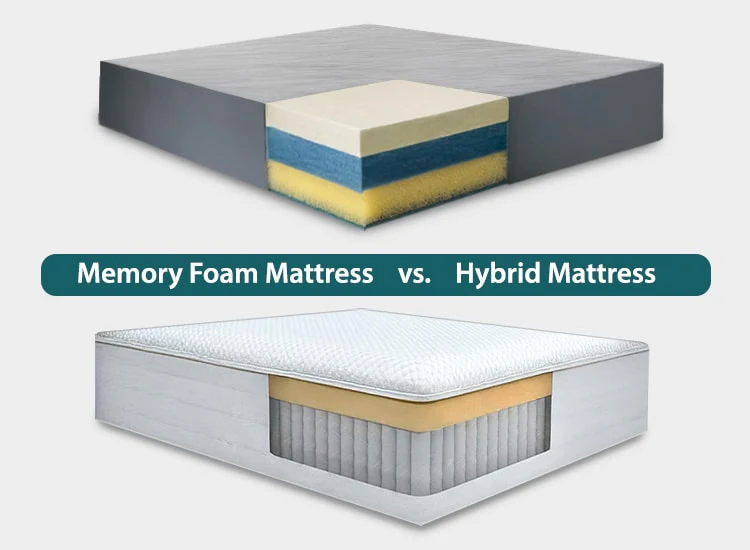
Cooling Foam Mattress vs Hybrid Mattress
Which Sleeps Cooler?
Honestly, a well-engineered hybrid mattress typically sleeps cooler overall because the coil system naturally allows airflow through the mattress core. However, a premium cooling foam mattress with PCM and ventilated layers can match or exceed hybrid cooling at the sleep surface level, which is what actually matters.
Which Lasts Longer?
Hybrids generally win on longevity — 7–10 years versus 6–8 years for most foam mattresses. The coil system resists compression better than foam alone. That said, the cooling technologies in foam mattresses may degrade before the foam structure itself does.
Which Is Better for Couples?
Cooling foam edges out hybrids on motion isolation, which is the number one complaint from couples. If one partner moves frequently, cooling foam will transfer significantly less motion. For temperature management, both can work well if properly selected.
Which Offers Better Pressure Relief?
Cooling foam wins here without question. The contouring properties of foam outperform the pocketed coil feel of hybrids for pressure point relief at the shoulders, hips, and knees.
Quick Answer: Choose cooling foam if motion isolation and pressure relief are priorities. Choose a hybrid if maximum airflow, edge support, and long-term durability matter most.
Cooling Foam Mattress vs Latex Mattress
Natural latex is inherently more breathable than memory foam because of its open-cell structure — and it's naturally responsive rather than slow-contouring. If eco-friendly materials are a priority, latex is hard to beat. However, quality latex mattresses cost significantly more than even premium cooling foam options.
For hot sleepers who prioritize pressure relief and motion isolation, cooling foam still wins. For hot sleepers who want maximum breathability, bounce, and don't mind a higher price, latex is a legitimate competitor.
I've Seen This Happen Many Times: Common Cooling Mattress Buying Mistakes
Buying Based on Marketing Claims Alone
Every mattress brand says it "sleeps cool." Look for specific technology disclosures: which cooling materials, what density, what certification. Vague claims are a red flag.
Ignoring Foam Density
Lower density foam (under 3 lb/ft³) degrades faster and loses its structure — and with it, whatever cooling properties were built in. Don't sacrifice density for price.
Choosing the Wrong Firmness
A too-soft mattress causes you to sink deeply, reducing airflow around your body. A too-firm mattress creates pressure points that disrupt sleep. Neither is ideal for hot sleepers.
Forgetting About Bedding
I've seen people spend $2,000 on a cooling mattress and then cover it with flannel sheets and a synthetic duvet. Your bedding system matters just as much.
Overlooking Sleep Position
Firmness needs change completely based on sleep position. A side sleeper using a firm cooling mattress will wake up with shoulder pain before overheating becomes an issue.
Ignoring Body Weight
Heavier sleepers compress foam more, which kills airflow. Weight should directly influence which cooling technology and density you prioritize.
Not Checking Certifications
Certifications like CertiPUR-US and OEKO-TEX ensure the foam materials are safe and tested. Without them, you have no reliable assurance about what chemicals you're sleeping on.
Focusing Only on Price
A $400 cooling mattress with poor construction and a thin gel layer will fail in two years. A $900 mattress with proper PCM or copper-infused foam will outperform it across a 6–8 year lifespan — and cost less per year of sleep.
Step-by-Step Guide: How to Choose the Best Cooling Foam Mattress
- Step 1 — Identify why you sleep hot: Mattress materials, bedding, room temperature, medical causes? Address root causes alongside mattress selection.
- Step 2 — Determine your sleep position: Side, back, stomach, or combination? This determines your firmness range first.
- Step 3 — Assess body weight: Under 130 lbs, 130–230 lbs, or over 230 lbs? Higher weights need higher density and more aggressive cooling.
- Step 4 — Choose cooling technology: Moderate heat → gel or open-cell. Consistent overheating → graphite or copper. Severe night sweats → PCM.
- Step 5 — Compare firmness options: Side sleepers: medium-soft. Back: medium-firm. Stomach: firm. Hot sleepers: avoid extra-soft (traps heat).
- Step 6 — Review certifications: CertiPUR-US minimum. OEKO-TEX Standard 100 or GREENGUARD Gold for chemical-sensitive sleepers.
- Step 7 — Check trial periods: Minimum 90 nights. 100–365 nights is standard for premium brands. Don't buy without a meaningful trial.
- Step 8 — Compare warranty coverage: 10-year non-prorated warranty is the baseline. Check what voids it (sagging depth thresholds, foundation requirements).
This Is Where Things Get Real: How Cooling Mattresses Perform After 3–5 Years
Here's what most reviews skip over entirely. Cooling technologies don't all age the same way. Gel infusions can consolidate over time, reducing the cooling surface area. PCM materials have limited absorption cycles before performance degrades. Open-cell foam structure, however, generally maintains its airflow properties as long as the foam density holds up.
Which Technologies Last Longest?
Open-cell foam construction and copper infusions tend to maintain performance longest. Copper doesn't degrade — it continues conducting heat indefinitely as long as the foam structure around it remains intact. Gel infusions show the most degradation over time based on independent testing data.
Signs Your Mattress Has Lost Cooling Performance
- You start feeling hot earlier in the night than you used to
- Visible sagging or body impressions (compressed foam = reduced airflow)
- The surface feels firmer and less responsive
- Night sweats returning after years of relief
Maintenance Tips
- Rotate your mattress every 3–6 months (head to foot) to distribute compression evenly
- Use a breathable mattress protector — not a waterproof plastic cover that traps heat
- Ensure proper foundation with adequate airflow (slatted base preferred)
- Wash covers and protectors regularly to maintain moisture-wicking performance
Mattress Certifications That Actually Matter
CertiPUR-US
This is the minimum standard for any foam mattress in the US market. CertiPUR-US certifies that foam is made without ozone depleters, PBDEs, TDCPP, or TCEP flame retardants, mercury, lead, and other heavy metals, formaldehyde, and phthalates. If a foam mattress doesn't carry this certification, walk away.
OEKO-TEX Standard 100
Goes further than CertiPUR-US by testing the finished product (not just the foam) for harmful substances. Important for hot sleepers who sweat — you want assurance about everything touching your skin throughout the night.
GREENGUARD Gold
Particularly important for children's rooms or for anyone with chemical sensitivities. GREENGUARD Gold tests for over 10,000 chemicals and VOC emissions. For hot sleepers with allergies or respiratory sensitivities, this certification adds genuine peace of mind.
Most People Ignore This Part: Your Bedding May Be Making You Hotter
Best Cooling Sheets
Bamboo, Tencel (lyocell), and linen are the three best materials for hot sleepers. They're moisture-wicking, breathable, and stay noticeably cooler than cotton. Percale cotton is the best cotton option. Sateen weaves and flannel are the worst for heat retention.
Best Pillow Materials
Buckwheat, shredded latex, and gel-infused memory foam pillows sleep cooler than solid memory foam or synthetic fill. The fill density and cover material both matter.
Best Mattress Protectors
Look specifically for cooling mattress protectors made from Tencel or bamboo terry. Avoid waterproof vinyl or polyester covers — they completely undermine whatever cooling your mattress provides.
Bedroom Temperature Optimization
The sleep science consensus: 65–68°F (18–20°C) is the optimal bedroom temperature for most adults. If cooling your room isn't practical, a smart fan positioned for cross-ventilation and breathable bedding can compensate significantly.
Also read: Bedroom Design Ideas for Comfort: The Sleep Specialist's 2026 Guide
Do Cooling Foam Mattresses Actually Work?
Quick answer: Yes — but with realistic expectations. Cooling foam mattresses measurably reduce sleep surface temperature compared to traditional foam. However, they're not a cure-all. Severe medical night sweats require medical treatment. A cooling mattress complements the solution, it doesn't replace it.
What Research Shows
Studies on sleep temperature show that a reduction of even 1–2°F at the sleep surface can increase REM sleep duration and reduce nighttime arousals. PCM and copper-infused mattresses consistently show the most significant surface temperature reductions in independent testing.
What Real Users Report
The most consistent feedback from verified purchasers: the first few months are genuinely impressive for cooling. Long-term satisfaction varies more based on whether the mattress firmness was right for their sleep position than whether the cooling worked. Temperature satisfaction tends to remain higher than comfort satisfaction at the 2–3 year mark.
AI Tools and Smart Sleep Technology for Hot Sleepers
This is an area most mattress review sites completely ignore — which is a real gap for modern sleepers who want data-driven solutions.
AI-Powered Sleep Tracking Apps
Apps like Sleep Cycle, AutoSleep, Oura App, and Whoop now provide temperature-correlated sleep data. You can see directly how room temperature and mattress changes affect your deep sleep percentage. This kind of feedback loop is genuinely useful for dialing in your sleep environment.
Smart Mattresses with Temperature Monitoring
Products like the Eight Sleep Pod cover active heating and cooling via water circulation, controlled by an AI model that learns your temperature preferences. This represents the current peak of sleep temperature technology — though at a significant price premium.
Using AI to Improve Sleep Temperature
Beyond dedicated sleep tech, smart home AI assistants can automate bedroom temperature adjustments based on your sleep schedule — dropping the thermostat to your target temperature before bedtime and slightly warming the room for your wake-up window.
Smart Home Automation for Cooler Sleep
Automated Temperature Adjustments
A smart thermostat (Ecobee, Nest, or Honeywell Home) programmed with your sleep schedule can drop bedroom temperature 30 minutes before your bedtime and gradually warm it near wake-up time. Combined with a cooling foam mattress, this dual-layer approach handles both ambient and contact heat.
Smart Fans and Bedroom Cooling Routines
A ceiling fan or tower fan connected to a smart plug can activate on a schedule or be triggered by temperature sensors. Setting up a "sleep routine" that activates fan + thermostat + smart lighting together creates a consistent pre-sleep signal that your body learns to associate with sleep — which itself improves sleep quality.
Real-Life Use Cases: Which Cooling Mattress Is Right for You?
- The Side Sleeper with Shoulder Pain: Medium-soft copper-infused foam with zoned support. Don't sacrifice pressure relief for cooling — you need both.
- The Couple Who Sleeps Hot: PCM or copper-infused foam with motion isolation. Both partners need consistent coverage, not just the center zone.
- The Heavy Sleeper: High-density (4 lb/ft³+) ventilated foam with graphite or copper infusion. Compression resistance is as important as cooling.
- The Menopause Sufferer: PCM mattress + Tencel cover + bamboo sheets + smart thermostat. Layer the solutions.
- The Athlete Focused on Recovery: Copper-infused open-cell foam with moisture-wicking cover. The antimicrobial properties are a practical bonus.
- The Budget-Conscious Shopper: Open-cell gel foam with good density (3+ lb/ft³). Don't buy the cheapest option — buy the best density you can afford within your budget.
Pros and Cons of Cooling Foam Mattresses
- Pro: Genuinely measurable improvement in sleep surface temperature
- Pro: Excellent pressure relief compared to hybrid and innerspring alternatives
- Pro: Superior motion isolation for couples
- Pro: Improved REM sleep quality when temperature regulation works effectively
- Con: Higher upfront cost than traditional memory foam
- Con: Cooling performance varies significantly between models and technologies
- Con: Some technologies (particularly gel) lose effectiveness faster than others
- Con: Still not as breathable as a high-quality hybrid with deep coil systems
Frequently Asked Questions About Cooling Foam Mattresses
What is the best cooling foam mattress for hot sleepers?
There's no single universal answer, but mattresses with PCM or copper-infused open-cell foam consistently perform best for severe hot sleepers. The best choice depends on your sleep position, body weight, and budget.
Do cooling mattresses stay cool all night?
High-quality PCM and copper-infused models generally maintain performance throughout the night. Basic gel foams work well for 2–4 hours before the gel reaches equilibrium with body temperature.
Is gel memory foam actually cooler?
Yes, but moderately so. Gel foam sleeps noticeably cooler than standard memory foam, but less so than graphite, copper, or PCM technologies. It's a solid entry-level cooling solution.
Which mattress material sleeps the coolest?
PCM-equipped foam and natural latex sleep the coolest overall. For foam-only mattresses, copper-infused open-cell foam is among the best performers for all-night cooling.
Can cooling mattresses help night sweats?
Yes, meaningfully so — especially for temperature-triggered sweats. Medical causes require medical treatment, but the right cooling mattress reduces sweat triggers and absorbs moisture better than standard foam.
How long do cooling technologies last?
Copper and open-cell construction last as long as the foam itself (6–8+ years). Gel infusions may show reduced effectiveness at 3–5 years. PCM typically maintains performance for 5–7 years under normal use.
Are cooling foam mattresses worth the money?
For hot sleepers, yes — unambiguously. The sleep quality improvement from proper temperature regulation affects energy, mood, cognitive function, and long-term health. The cost per night over a 7-year lifespan is modest compared to the daily impact.
What firmness level is best for hot sleepers?
Medium to medium-firm (5–6 ILD) works best for most hot sleepers because it reduces deep sinkage that traps heat. The exception is side sleepers who may need medium-soft for pressure relief.
Do mattress toppers provide the same cooling benefits?
A quality cooling topper (PCM or copper-infused) can meaningfully improve an existing mattress. However, if the mattress below is already creating significant heat, a topper addresses symptoms rather than the root cause.
Which certifications should I look for?
CertiPUR-US is the minimum baseline. OEKO-TEX Standard 100 is the next level. GREENGUARD Gold matters most for chemical-sensitive individuals or households with children.
Final Buying Checklist for Hot Sleepers
- Cooling technology identified and verified (not just marketing language)
- Firmness matched to primary sleep position
- Foam density sufficient for body weight (3 lb/ft³ minimum; 4+ lb/ft³ for heavy sleepers)
- CertiPUR-US certification confirmed
- Trial period reviewed (90 nights minimum)
- Warranty terms understood (10-year non-prorated baseline)
- Budget allocated realistically (don't sacrifice density for price)
- Bedding system planned (cooling sheets, breathable protector)
- Foundation airflow confirmed (slatted base recommended)
- Room temperature strategy in place
The right cooling foam mattress genuinely changes how you sleep — and by extension, how you live. You deserve to wake up rested, not wringing out your sheets at 3 AM. Take the time to match the technology to your specific needs, don't fall for vague marketing claims, and treat the bedding system and sleep environment as part of the solution. Your best sleep is closer than you think.