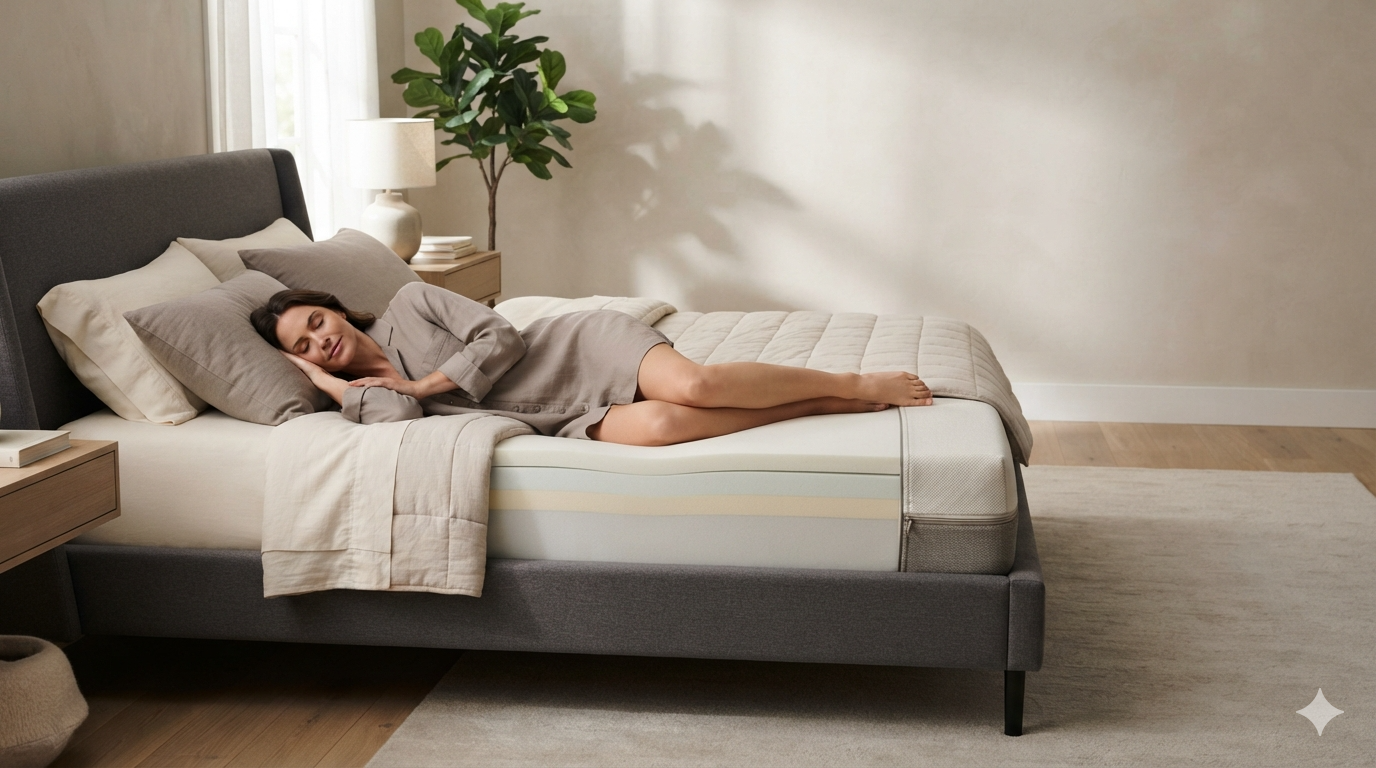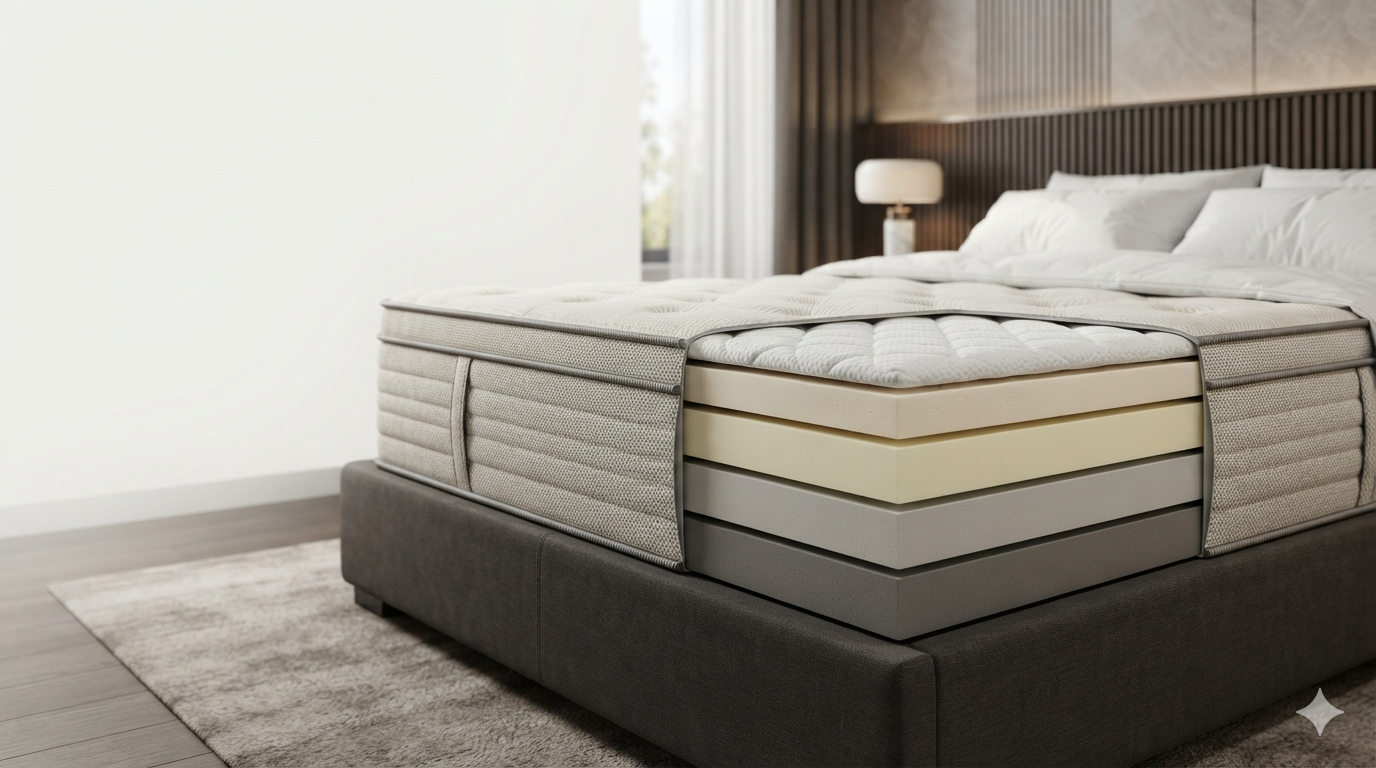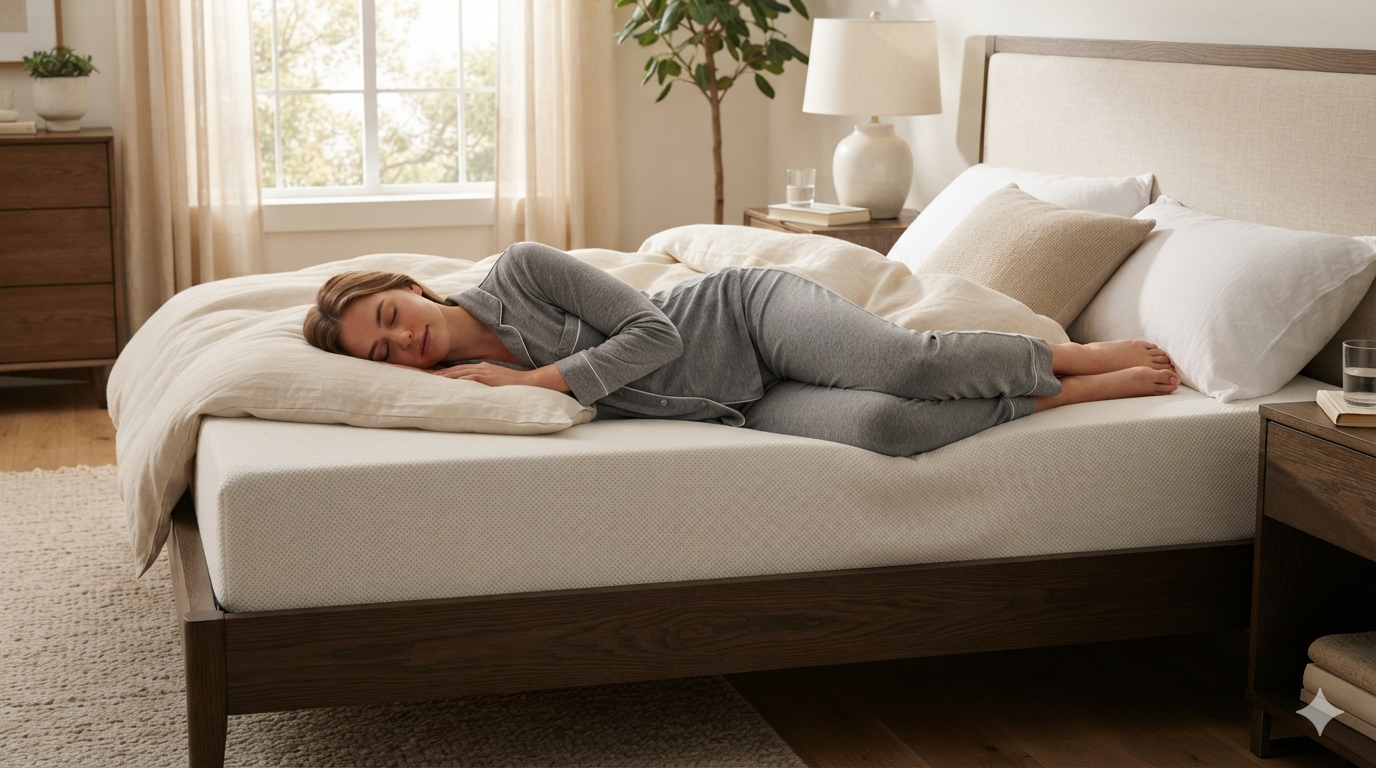

I spent years waking up with that familiar lower-back ache, convinced the only solution was the hardest mattress I could find. After testing several models and talking to people who made the same mistake, I learned the truth the hard way. This orthopedic foam mattress guide is the practical version of what actually helps spine alignment and pressure relief—not the marketing slogans plastered on every “orthopedic” label.
If your back still hurts after buying a supposedly supportive bed, or you’re tired of guessing which firmness is right, keep reading. I’ll break down what works, what doesn’t, and how to avoid wasting money on the wrong mattress.
Key Takeaways
- An orthopedic foam mattress aims to support natural spine alignment and reduce pressure points, but the word “orthopedic” is not a medical certification.
- Medium-firm usually outperforms ultra-firm for most people with back pain.
- Foam density and ILD matter more than brand names for long-term support.
- Match firmness to your body weight and sleep position—side sleepers need more cushioning.
- Always check trial period, warranty, and cooling features before buying.
Table of Contents
- What an Orthopedic Foam Mattress Really Is
- In My Experience… Why Most People Buy the Wrong Mattress for Back Pain
- What Most People Get Wrong Is… Firmness vs Support
- How Orthopedic Foam Mattresses Actually Work
- Types of Foam Used (And Which One You Actually Need)
- Honestly, I Made This Mistake Too… Ignoring These Features
- Step-by-Step: How to Choose the Right Orthopedic Foam Mattress
- Comparison Table: Best Orthopedic Foam Mattresses (2026)
- Orthopedic Foam vs Memory Foam vs Spring
- Pros and Cons of Orthopedic Foam Mattresses
- This Is Where Things Get Real: Price vs Value Breakdown
- Real-Life Use Cases
- I’ve Seen This Happen Many Times… Common Buying Mistakes
- Advanced Insights (For Smart Buyers)
- Problem-Solving Section
- AI Tools & Smart Mattress Buying
- AI vs Human Advice
- Mobile Apps That Help You Sleep Better
- Step-by-Step: How to Maintain Your Orthopedic Mattress
- Featured Snippet: How Long Does an Orthopedic Foam Mattress Last?
- FAQ / People Also Ask
- Final Decision Framework
What an Orthopedic Foam Mattress Really Is (Featured Snippet Definition)
An orthopedic foam mattress is a foam-based bed designed to support natural spine alignment and reduce pressure points at the shoulders, hips, and lower back. The goal is better posture during sleep and less morning stiffness.
Here’s the important part most brands skip: “orthopedic” is largely a marketing term. It does not automatically mean the mattress is medically certified or prescribed by a doctor. Some models are developed with input from sleep specialists; many others simply use the label because it sells.
Quick answer: Is an orthopedic mattress good for back pain? It can be—when the firmness, density, and design actually match your body and sleep position. The label alone guarantees nothing.
In My Experience… Why Most People Buy the Wrong Mattress for Back Pain
The most common story I hear is someone buying the firmest mattress available because they believe “hard equals healthy.” I did exactly that years ago. My lower back felt worse after a few weeks because the surface created new pressure points instead of relieving them.
Switching to a properly designed medium-firm orthopedic foam mattress changed the pattern. The difference showed up in how I felt getting out of bed, not in some dramatic overnight miracle. The financial hit of the first wrong purchase plus continued discomfort made the second buy feel necessary rather than optional.
Most people ignore the health cost of poor sleep. Extra painkillers, missed work focus, and that constant background ache add up. Getting the support right early saves both money and frustration.
What Most People Get Wrong Is… Firmness vs Support
Firm Doesn’t Always Mean Better
An overly firm surface can push against hips and shoulders, creating new pressure points and forcing the spine out of neutral. Many people with back pain sleep worse on ultra-firm beds.
Medium-Firm Sweet Spot (Backed by Research)
Medium-firm tends to offer the best balance of support and comfort for spine alignment. It keeps the spine closer to neutral while still allowing enough sink for pressure relief. This is the range most independent sleep studies and practical testing point toward for average body types.
Matching Firmness to Body Weight & Sleep Position
Side sleepers usually need more cushioning so shoulders and hips can sink slightly. Back sleepers do well with medium to medium-firm. Stomach sleepers often need a firmer surface to keep the lower back from arching. Heavier people generally require higher density and slightly firmer feel to prevent excessive sink. A good spine support mattress accounts for these differences rather than offering one universal “hard” option.
How Orthopedic Foam Mattresses Actually Work (Simplified)
Pressure distribution is the core idea. Quality foam spreads body weight across a wider surface so no single point (hips, shoulders) takes all the load. This reduces the sharp pressure that can trigger or worsen pain.
Spine alignment happens when the mattress lets heavier parts of the body sink just enough while supporting the lumbar curve. Layering matters—comfort foam on top for contouring, denser support foam underneath for structure.
Featured snippet style answer: How does an orthopedic mattress work? It uses targeted foam layers to distribute pressure evenly and keep the spine closer to its natural alignment during sleep, reducing stress on joints and soft tissue.

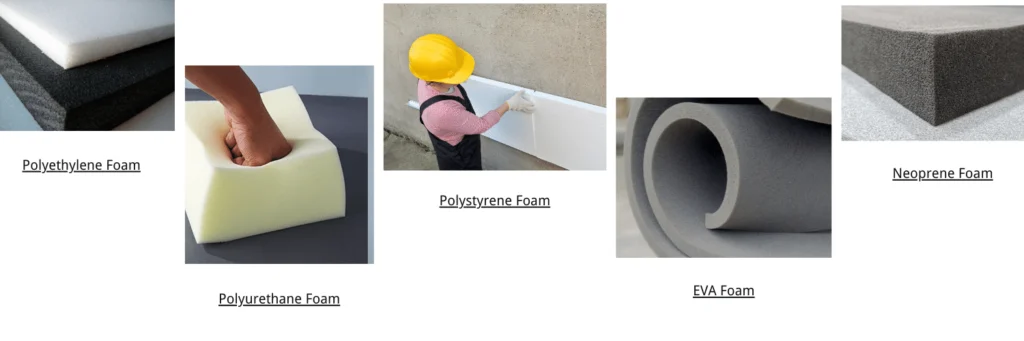
Types of Foam Used (And Which One You Actually Need)
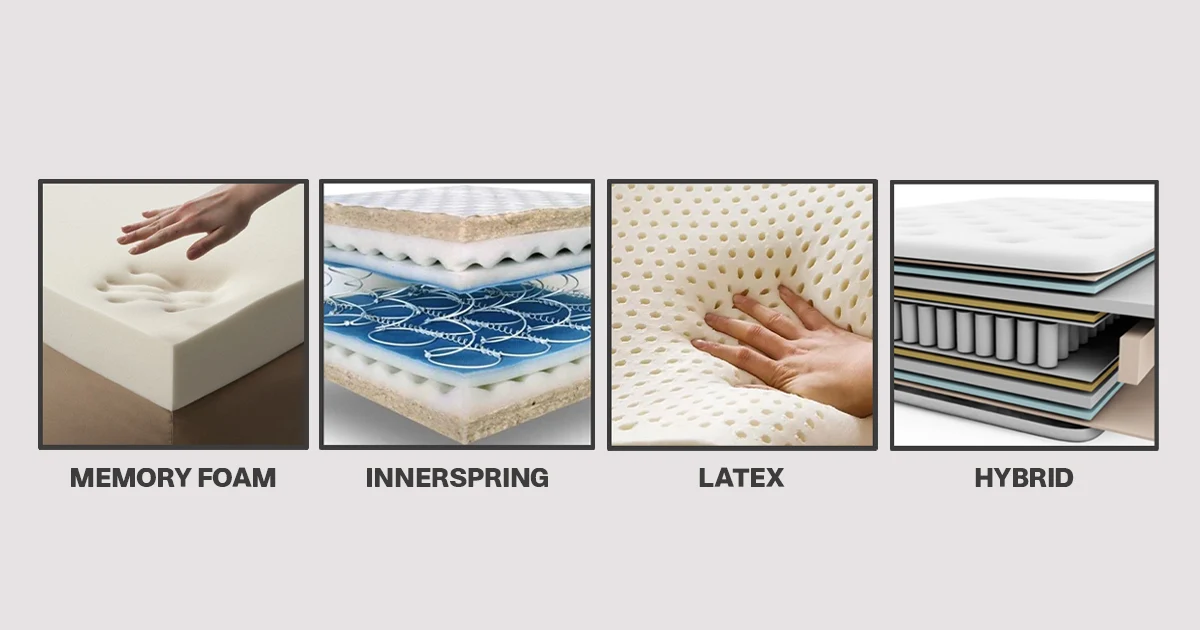
Memory Foam (Best for Contouring)
Memory foam excels at body contouring and pressure relief. It molds around curves and is often the top choice for side sleepers and people with joint sensitivity. Traditional versions can sleep warm, so look for gel-infused or open-cell versions.
High-Density Foam (Best for Support & Durability)
Density tells you how much material is packed into each cubic foot. Higher density (typically 4 lb and above for comfort layers) resists body impressions longer and maintains support. ILD (Indentation Load Deflection) measures firmness. Understanding these two numbers is one of the biggest content gaps most shoppers never see explained clearly.
Latex Foam (Best for Natural & Cooling)
Latex offers more bounce and better airflow than classic memory foam. Natural latex is more eco-friendly and durable. It feels responsive rather than “sinking,” which some people prefer for easier movement.
Hybrid Orthopedic Options
These combine foam comfort layers with coils for extra support and airflow. They can deliver the pressure relief of foam with a more traditional, slightly bouncier feel.
Honestly, I Made This Mistake Too… Ignoring These Features
I once bought a mattress labeled orthopedic without checking foam density. It felt fine for a few months, then developed soft spots. Skipping CertiPUR-US and OEKO-TEX certifications left me wondering about chemical content and off-gassing.
Cooling technology is easy to ignore until summer hits. In hot or humid climates, a mattress without gel infusion or open-cell structure can turn sleep into a sweaty ordeal. Climate is a real factor most people overlook until it’s too late.
Step-by-Step: How to Choose the Right Orthopedic Foam Mattress
1. Identify your main pain type—lower back, shoulder, or general joint discomfort. This helps decide how much contouring versus firm support you need.
2. Choose the correct firmness level based on sleep position and body weight. Medium-firm works for most.
3. Check foam density and overall thickness. Higher density usually means better longevity.
4. Look for cooling features if you sleep warm or live in a hot region.
5. Compare warranty length and trial period. A 100-night trial minimum gives you real time to test support.
Also consider how the mattress works with your sleep posture habits—small adjustments in position can amplify the benefits of a good bed.
Comparison Table: Best Orthopedic Foam Mattresses (2026)
| Brand | Price Range | Foam Type | Firmness | Cooling | Trial | Best For |
| Tempur-Pedic | $1500–$3500+ | Proprietary memory foam | Medium to firm options | Good in newer models | 90 nights | Deep pressure relief |
| Wakefit | $300–$800 | Memory + high-density | Medium-firm | Decent | 100 nights | Value in many markets |
| Sleepwell | $250–$700 | Orthopedic foam layers | Firm to medium | Basic | Varies | Budget orthopedic feel |
| Saatva | $1400–$2500 | Foam + latex hybrids | Multiple options | Strong | 365 nights | Durability + support |
| Orthobond | $400–$1200 | High-density orthopedic foam | Medium-firm focus | Moderate | Often 100+ nights | Spine-focused buyers |
Value often beats pure price. A mid-range model with solid density and a generous trial can outperform a cheaper low-density “orthopedic” bed that sags early.
Orthopedic Foam vs Memory Foam vs Spring (What Most People Ignore)
Orthopedic foam is usually a specific design goal—spine support and pressure relief—rather than a single material. Memory foam is the material most often used to achieve that goal because of its contouring. Traditional spring mattresses offer bounce and airflow but transfer more motion and provide less precise pressure relief.
Orthopedic foam (especially high-density memory or latex blends) is better when you need targeted support and motion isolation. Springs can work if you prefer a classic feel and sleep cooler naturally. Most people ignore how their climate and body type should drive the choice more than the category name.
Pros and Cons of Orthopedic Foam Mattresses
Pros
- Better potential for spine alignment when designed well
- Strong pressure relief for joints and pressure points
- Excellent motion isolation for couples
Cons
- Can feel too firm if the wrong model is chosen
- Heat retention remains an issue in basic foam versions
- Higher quality options cost more upfront
This Is Where Things Get Real: Price vs Value Breakdown
Prices for orthopedic foam mattresses range widely—from around $300 in some markets to $2000+ for premium international brands. The useful number is cost per year of usable life. A $900 mattress that lasts eight years costs far less annually than a $400 bed that sags in three.
ROI shows up in reduced discomfort and fewer compensatory costs (extra pillows, occasional physio visits, lost focus at work). Treat the purchase as a health and productivity investment rather than a pure expense. Financing or waiting for promotions can help, but never sacrifice density and trial just to hit a lower number.
Real-Life Use Cases (Who Should Buy This)
People with chronic lower-back pain often benefit most when the mattress keeps the spine neutral. Seniors dealing with joint stiffness appreciate the pressure relief. Office workers who sit long hours notice the difference in morning posture. Athletes recovering from strain use the support for recovery nights. Couples who wake each other with movement value the motion isolation of quality foam.
I’ve Seen This Happen Many Times… Common Buying Mistakes
Choosing an overly firm mattress ranks at the top. Ignoring body type and sleep position comes next. Falling for the word “orthopedic” without checking density or certifications is extremely common. Skipping the trial period removes your ability to test real support. Buying the cheapest low-density foam almost always leads to early sagging and disappointment.
Advanced Insights (For Smart Buyers)
Foam Density & ILD Explained Simply
Density measures material packed per cubic foot. Higher numbers generally mean better durability and support. ILD tells you how firm the foam feels under pressure. Look for comfort layers around 4 lb density or higher and an ILD that matches your preferred firmness. These specs reveal quality better than most marketing claims.
Spine Alignment & Biomechanics
During sleep the mattress should allow the heavier parts of the body to settle while supporting the natural curves. When this balance is off, the spine can twist or flatten, increasing stress on discs and muscles. A well-designed orthopedic foam mattress aims to keep that alignment closer to ideal for more hours of the night.
Cooling Technology Breakdown
Gel infusion, open-cell foam structure, and dedicated airflow layers all help move heat away from the body. Simple “cooling cover” claims without engineering underneath rarely solve the problem for hot sleepers.
Certifications & Safety
CertiPUR-US and OEKO-TEX certifications reduce concerns about harmful chemicals. Some initial off-gassing is normal; strong chemical odors that last weeks are a red flag.
Problem-Solving Section (Quick Answers)
Why does my back still hurt? The mattress may be the wrong firmness, too soft, or already sagging. Pain can also come from daytime posture or other factors—mattresses help but are not magic.
Which mattress is best for back pain? Medium-firm high-density foam or hybrid models that keep the spine neutral for your specific sleep position.
How to fix a sagging mattress? Rotate regularly and use a solid foundation. Deep permanent dips usually mean the density was too low from the start.
What firmness is best? Medium-firm for most people with back pain; adjust based on weight and position.
How long does an orthopedic mattress last? Typically 6–10 years with proper density and care.
AI Tools & Smart Mattress Buying (Modern SEO Angle)
AI recommendation tools now ask about pain location, sleep position, and temperature preference to suggest options. Sleep analysis apps such as Sleep Cycle or Fitbit can show whether your current bed is delivering restorative sleep. Simple firmness calculators factor in weight and preferred feel. These tools speed up shortlisting but still need real-world testing through a trial period.
AI vs Human Advice
AI delivers fast, data-driven suggestions based on patterns. Human experience—whether from long-term testing or talking to people with similar pain—catches the subtle differences in feel and long-term durability. The smartest approach combines both: use AI to narrow choices, then rely on detailed reviews and personal trial time for the final decision.
Mobile Apps That Help You Sleep Better
Sleep tracking apps reveal how often you wake or change position. Smart alarms try to wake you during lighter sleep stages. Review platforms collect recent owner feedback that marketing pages often omit. Pairing app data with your own notes makes the buying decision more grounded.
Step-by-Step: How to Maintain Your Orthopedic Mattress
Rotate the mattress every three to six months if the design allows it. Always use a good protector to guard against spills and moisture. Spot clean only with mild methods—never soak the foam. Keep the bed on a proper, supportive foundation with airflow. These habits routinely extend usable life toward the 7–10 year range.
Check detailed mattress care tips for climate-specific advice if you live in a humid region.
Featured Snippet: How Long Does an Orthopedic Foam Mattress Last?
A quality orthopedic foam mattress typically lasts 6–10 years depending on foam density, body weight, usage, and maintenance.
- Higher density foams resist impressions longer
- Heavier users or those who sit on the edge may see shorter life
- Regular rotation and a solid base help maximize years of use
- Climate and humidity also influence durability
FAQ / People Also Ask Section
What is an orthopedic foam mattress? A foam mattress designed to support spine alignment and reduce pressure points. The label itself is not a medical guarantee.
Is it good for back pain? It can be highly effective when firmness, density, and design match your body and sleep position.
What firmness is best? Medium-firm works for most people with back pain.
Are orthopedic mattresses hard? Not necessarily—many quality models are medium-firm rather than rock-hard.
Do doctors recommend them? Some sleep specialists and physiotherapists recommend supportive mattresses; always follow personalized medical advice.
Can it fix posture? It can support better alignment during sleep, but daytime posture and exercise still matter.
Which brand is best? It depends on budget and needs—Tempur-Pedic for premium contouring, Saatva for balanced durability, value brands for accessible support.
Do they sag? Low-density versions do; higher-density orthopedic foam resists sagging much better.
Are they worth the price? When density, trial, and real support match the cost, yes—especially compared with ongoing pain costs.
Can side sleepers use them? Yes, provided the model has enough contouring at the shoulders and hips.
Final Decision Framework (Actionable Checklist)
Match the mattress to your specific pain type and sleep position first. Balance firmness with enough comfort so you actually stay asleep. Check density, certifications, and cooling features next. Compare total value—trial length, warranty, and expected lifespan—rather than sticker price alone.
Once you have two or three strong candidates, use the trial periods. A thoughtful choice here can reduce morning pain and improve how you feel for years. Don’t settle for the “orthopedic” label without looking underneath. Compare current options carefully and choose the one that actually supports your body.