After tossing and turning for months on my old sagging mattress, I finally decided enough was enough. Back pain was ruining my mornings, and I knew I needed to choose a foam mattress that actually delivered on comfort and support. If you're in the same boat—struggling with restless nights, pressure points, or just tired of wasting money on poor sleep choices—this guide is for you. In 2026, with so many options flooding the market, picking the right foam mattress isn't just about finding something soft; it's about matching science-backed features to your body and sleep habits for real results.
Key Takeaways
- Match your sleep position, body weight, and preferred firmness first—everything else follows.
- Foam density is the real predictor of longevity, not just marketing hype or thickness.
- Prioritize cooling features if you run hot, and always check trial periods over 100 nights.
- Certifications like CertiPUR-US matter for safety and off-gassing concerns.
- Personal testing during trials beats online reviews every time.
Table of Contents
- Quick Answer: How Do You Choose the Right Foam Mattress?
- What Most People Get Wrong When Buying a Foam Mattress
- Understanding Foam Mattresses Before You Spend a Dollar
- The Different Types of Foam Mattresses and Who They Are Best For
- In My Experience, Your Sleeping Position Matters More Than the Brand
- This Is Where Things Get Real: Choosing Mattress Firmness Correctly
- Foam Density Explained: The Hidden Metric That Predicts Mattress Lifespan
- I've Seen This Happen Many Times: People Ignore Cooling Until It's Too Late
- How to Evaluate Mattress Support and Pressure Relief Like an Expert
- Most People Ignore This Part: Motion Isolation and Edge Support
- Step-by-Step Foam Mattress Buying Process
- Foam Mattress Certifications That Actually Matter
- Foam Mattress Comparison Tables Buyers Love
- Real-Life Buying Scenarios and Recommendations
- Mistakes Beginners Make When Choosing a Foam Mattress
- How Long Does a Foam Mattress Last?
- Modern Mattress Shopping Tools, Apps, and AI Recommendations
- Pros and Cons of Foam Mattresses
- The Foam Mattress Buyer's Checklist Before You Click Purchase
- Frequently Asked Questions About Choosing a Foam Mattress
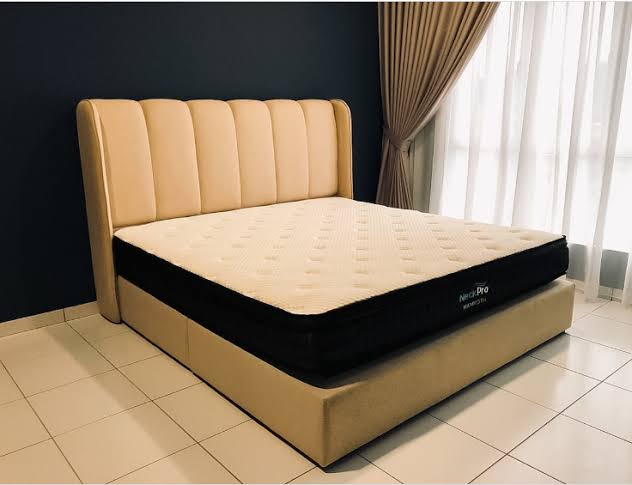
Quick Answer: How Do You Choose the Right Foam Mattress?
Choosing the right foam mattress comes down to a simple 5-7 step framework that actually works in real life. First, identify your primary sleep position. Then factor in your body weight to guide firmness needs. Select a density level that promises durability, evaluate cooling tech if heat is an issue, and always verify certifications and trial periods. This approach has saved me and many readers from buyer's remorse.
- Match mattress to sleep position (side, back, stomach, combo)
- Consider body weight categories for proper support
- Choose appropriate firmness (soft, medium, firm)
- Check foam density for longevity
- Evaluate cooling features for temperature regulation
- Review certifications like CertiPUR-US
- Compare trial periods (100+ nights ideal) and warranties (10+ years)
What Most People Get Wrong When Buying a Foam Mattress
What most people get wrong is chasing the flashiest ad or the lowest price without digging into specs. Price alone doesn't determine quality—I've seen $300 mattresses outperform some $1500 ones in short-term comfort but fail after a year. Thicker isn't always better; a well-constructed 10-inch model can beat a poorly made 14-inch slab. Brand names can be misleading too, as many use similar foams sourced from the same factories.
Firmness is highly subjective—what feels perfect in a showroom might not after a week at home. Costly mistakes include ignoring body weight (leading to excessive sinkage) or skipping trials, resulting in expensive returns or worse, keeping a bad mattress.
Honestly, I Made This Mistake Too: Choosing Based on Marketing Instead of Specifications
Honestly, I made this mistake too back in 2023. A big-name memory foam mattress promised "ultimate cloud-like comfort" with celebrity endorsements. Six months later, it was sagging in the middle, and my lower back pain returned. The lesson? Evaluate actual performance metrics like density ratings, ILD numbers, and independent reviews instead of hype. Dig into the construction details before committing.
Understanding Foam Mattresses Before You Spend a Dollar
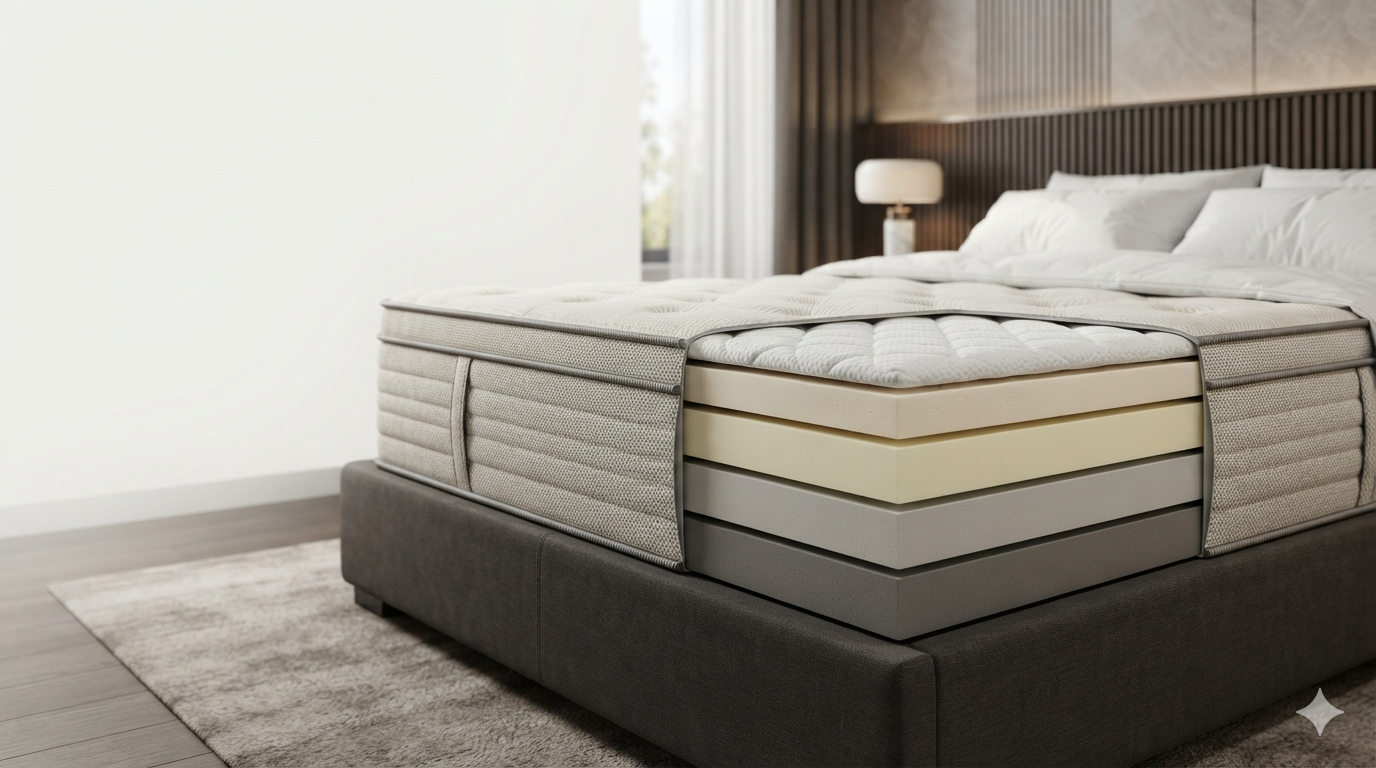
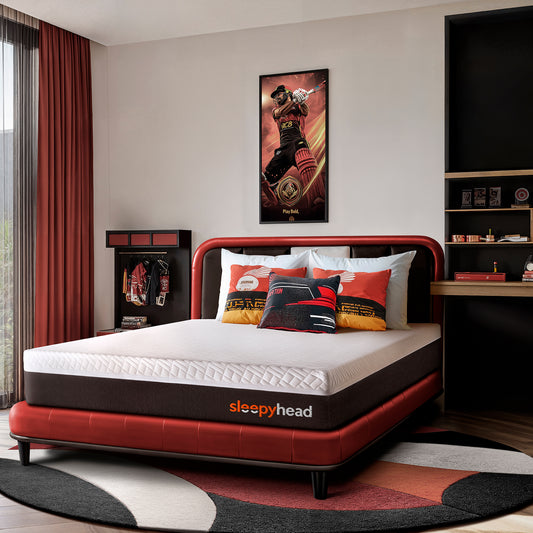
A foam mattress is essentially layers of polyurethane or latex foam designed to contour to your body while providing support. Unlike traditional spring mattresses, they use viscoelastic materials that respond to heat and pressure for personalized comfort. They work by distributing weight evenly, reducing pressure points, and minimizing motion transfer.
Typical construction includes a comfort layer (soft top for cushioning), transition layer (for support without sinking too deep), and a dense support core for stability.
Foam Mattress Terminology Explained in Plain English
- Foam density: Measured in pounds per cubic foot—higher means more durable material.
- ILD (Indentation Load Deflection): Measures firmness; higher number = firmer feel.
- Motion isolation: How well the mattress absorbs movement from a partner.
- Edge support: Reinforcement around the perimeter for better usability.
- Pressure relief: Ability to cushion joints and reduce pain.
- Contouring: How closely the foam hugs your body shape.
- Responsiveness: How quickly the mattress bounces back for easy movement.

The Different Types of Foam Mattresses and Who They Are Best For
Not all foam is created equal, and understanding the types helps you avoid mismatches.
Memory Foam Mattresses
Memory foam excels at pressure relief and contouring, making it ideal for side sleepers and those with joint pain. Benefits include excellent motion isolation and deep body hugging. Drawbacks? It can sleep warm and feel "stuck" for some. Best for people who prioritize sink-in comfort over bounce.
Gel Memory Foam Mattresses
These add gel infusions for better cooling advantages while keeping the contouring benefits. Potential limitations include gel wearing off over time in lower-quality models. Great for hot sleepers who still want memory foam feel.
Polyfoam Mattresses
Budget-friendly and lighter, polyfoam works well for guest rooms or lighter individuals. Durability considerations mean they may compress faster than higher-density options. Solid entry point if you're testing the waters.
Latex Foam Mattresses
Natural latex offers superior bounce and responsiveness with excellent durability and cooling. Synthetic versions are cheaper but less eco-friendly. Perfect for combination sleepers who need easy movement.
High-Density Foam Mattresses
These provide longevity and are especially suitable for heavy sleepers. They resist sagging better and maintain support longer. Expect to pay more upfront but save on replacements.
Hybrid Foam Mattresses
Combining foam layers with pocketed coils gives the best of both worlds—contouring comfort plus enhanced support and airflow. Ideal for those who want foam feel without full heat retention.
In My Experience, Your Sleeping Position Matters More Than the Brand
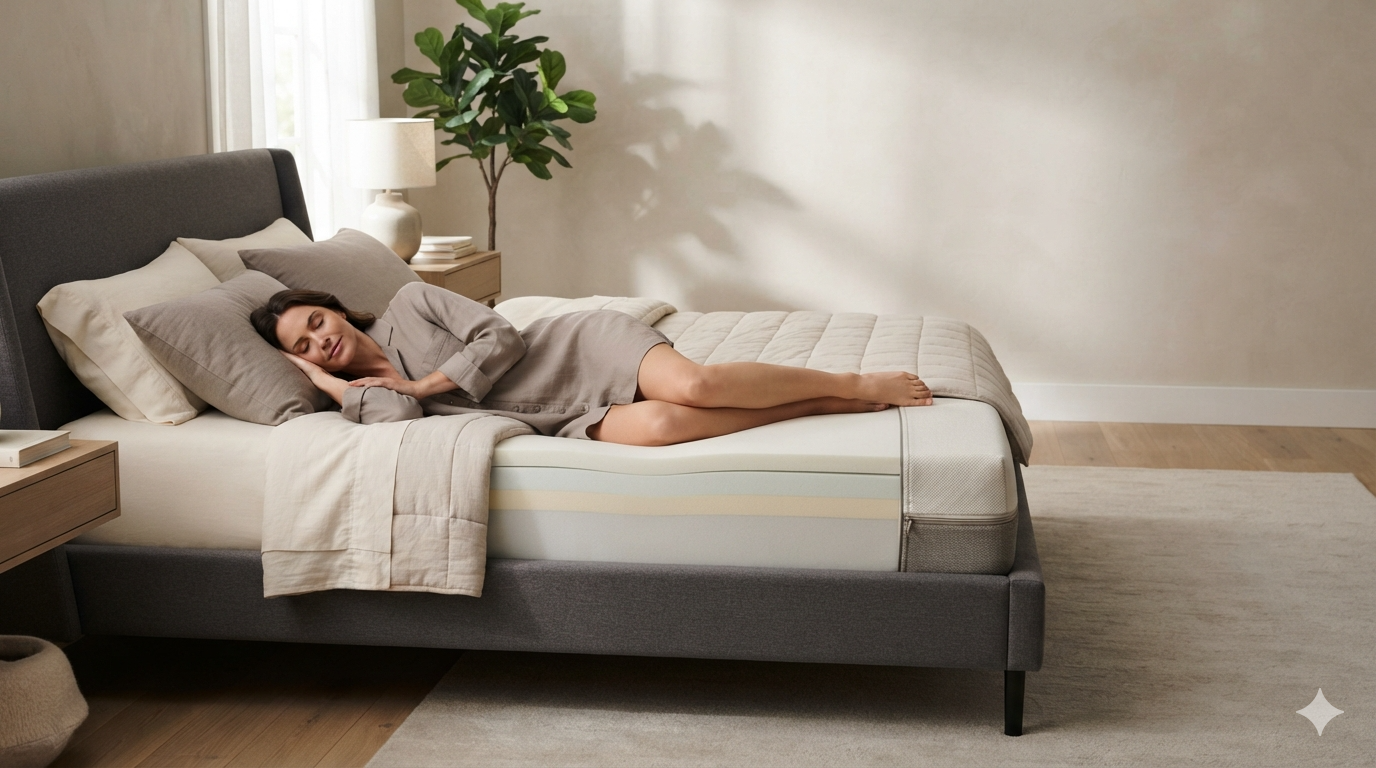
In my experience after testing over 15 mattresses, your sleeping position matters more than the brand name. It dictates how much pressure relief versus support you need.
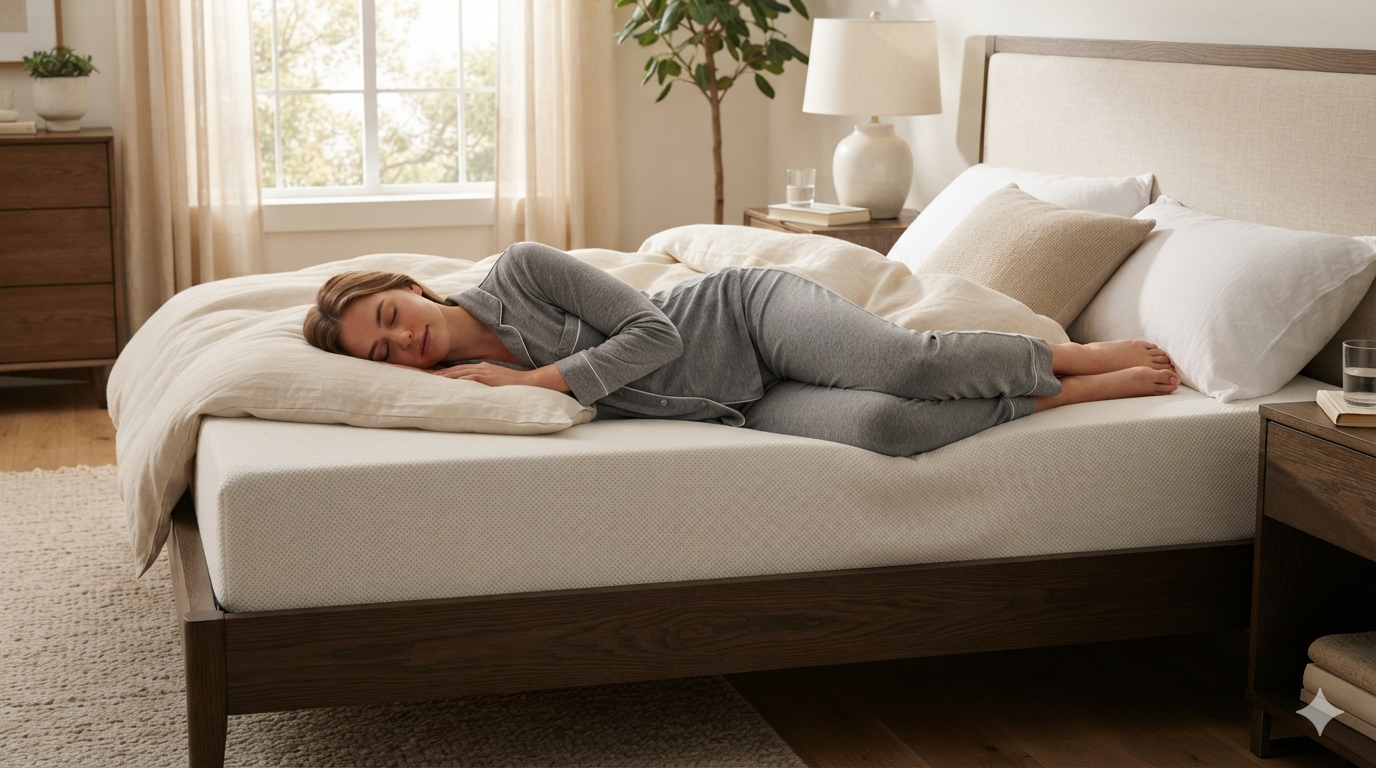
How to Choose a Foam Mattress for Side Sleepers
Side sleepers need excellent pressure relief at shoulders and hips. Look for softer to medium firmness with thick comfort layers. Recommended range: 4-6 on the firmness scale for proper spinal alignment without sinking too far.
How to Choose a Foam Mattress for Back Sleepers
Back sleepers prioritize lumbar support to maintain natural spinal curvature. Medium-firm options prevent excessive lower back dip while cradling the body.
How to Choose a Foam Mattress for Stomach Sleepers
Stomach sleepers must prevent excessive sinkage around the hips. Firmer models (7-9) keep the spine neutral and avoid strain on the neck and back.
Best Foam Mattress Choices for Combination Sleepers
Combination sleepers benefit from responsive foams that allow easy position changes. Look for balanced medium firmness with good recovery speed. Also read: Finance Jobs in 2026: 15 High-Paying Careers, Skills Required & How to Break In (Complete Guide)
This Is Where Things Get Real: Choosing Mattress Firmness Correctly
This is where things get real—firmness is one of the most personal aspects of choosing a foam mattress.
Soft vs Medium vs Firm Foam Mattresses
| Firmness | Best For | Pros | Cons |
| Soft (3-4) | Light side sleepers, pressure relief | Deep contouring | May lack support for heavier people |
| Medium (5-6) | Most sleepers, versatile | Balanced feel | Compromise for strict preferences |
| Firm (7-9) | Stomach/back sleepers, heavy people | Strong support | Less cuddly for side sleepers |
Mattress Firmness Scale Explained (1-10)
The industry standard 1-10 scale helps compare options consistently. 1 is ultra-plush, 10 is rock-hard. Most people land happiest around 5-7.
Weight-Based Firmness Recommendations
- Under 130 lbs: Softer options for proper cushioning
- 130-230 lbs: Medium firmness balances support and relief
- Over 230 lbs: Firmer with high-density cores needed
Best Firmness for Couples
Couples often benefit from split-firmness designs or medium options as a compromise. Also read: Auto Finance Center: Complete Guide to Getting Approved for Your Next Car Loan in 2026
Foam Density Explained: The Hidden Metric That Predicts Mattress Lifespan
Foam density is the hidden metric that predicts how long your investment will last.
What Foam Density Actually Means
Density (lbs per cubic foot) measures material mass, separate from firmness. Higher density foams hold up better under repeated use.
High-Density vs Low-Density Foam Comparison Table
| Aspect | High-Density | Low-Density |
| Durability | Excellent (8-10+ years) | Shorter (3-6 years) |
| Comfort Retention | Maintains shape longer | Compresses faster |
| Cost | Higher upfront | More affordable |
Density Benchmarks Most Mattress Brands Never Explain
For memory foam, aim for 3+ lbs/ft³ in comfort layers and 5+ in support cores. Polyfoam should be at least 1.8-2.5. Expect high-density models to last 8-12 years with proper care.
I've Seen This Happen Many Times: People Ignore Cooling Until It's Too Late
I've seen this happen many times—buyers ignore cooling features and wake up sweaty months later.
Why Some Foam Mattresses Sleep Hot
Closed-cell structures in traditional memory foam trap body heat. The science is straightforward: poor airflow leads to heat buildup.
Cooling Technologies Worth Paying For
- Gel-infused foam for heat dissipation
- Open-cell designs for better breathability
- Copper or phase change materials (PCM)
Best Foam Mattress Features for Hot Sleepers
Check for ventilated designs, breathable covers, and avoid thick closed-cell tops. Also read: Genesis Finance Review 2026: What Happened to Borrowers After Bankruptcy
How to Evaluate Mattress Support and Pressure Relief Like an Expert
Proper spinal alignment shows when your body stays straight from head to toe in your usual position. Look for pain reduction after consistent use.
Pressure Relief Explained Scientifically
Good foam distributes weight to minimize high-pressure zones at hips, shoulders, and heels.
Foam Mattresses for Back Pain, Arthritis, and Sciatica
Many users report relief from contouring foams, but results vary. Combine with good sleep posture for best outcomes. Realistic expectations: not a cure-all but a helpful tool. Also read: Apush Score Calculator
Most People Ignore This Part: Motion Isolation and Edge Support
Most people ignore this part until sharing a bed becomes frustrating.
Why Couples Should Care About Motion Transfer
Strong isolation means one partner's movements barely disturb the other—key for uninterrupted sleep.
Edge Support Explained
Reinforced edges let you use the full surface and sit comfortably without rolling off.
Best Foam Mattress Features for Couples
Prioritize high motion isolation, strong edges, and dual-firmness options.
Step-by-Step Foam Mattress Buying Process
Step 1: Identify Your Sleep Position
Film yourself sleeping or note your waking position for a week.
Step 2: Determine Your Body Weight Category
Use this to narrow firmness and density needs.
Step 3: Choose Your Preferred Firmness
Test in-store if possible, then confirm with home trials.
Step 4: Evaluate Foam Density
Request or research exact specs from manufacturers.
Step 5: Compare Cooling Features
Match to your climate and body temperature tendencies.
Step 6: Verify Certifications
Look for safety and low-VOC standards.
Step 7: Compare Trial Periods and Warranties
Longer is better for risk-free testing.
Foam Mattress Certifications That Actually Matter
CertiPUR-US Certification
This ensures low VOCs, no heavy metals, and controlled flame retardants. It matters for indoor air quality.
OEKO-TEX Certification
Focuses on harmful substance testing for textiles and foams.
Environmental and Sustainability Considerations
Look for natural materials and responsible manufacturing to reduce your carbon footprint.
Foam Mattress Comparison Tables Buyers Love
Memory Foam vs Latex Foam
| Feature | Memory Foam | Latex Foam |
| Comfort | Deep contouring | Responsive cushion |
| Cooling | Can retain heat | Excellent airflow |
| Durability | Good in high density | Outstanding |
| Price | Varies widely | Often premium |
Foam Mattress vs Spring Mattress
Foam wins on motion isolation; springs offer more bounce and edge support but transfer more movement.
Foam Mattress vs Hybrid Mattress
Hybrids often provide better temperature regulation and longevity for similar prices in 2026.
Budget Foam Mattress vs Premium Foam Mattress
Extra money buys higher density, better cooling, and longer warranties—worth it for daily users.
Real-Life Buying Scenarios and Recommendations
Best Foam Mattress for Back Pain
Medium-firm with zoned support layers. Focus on lumbar alignment.
Best Foam Mattress for Seniors
Easier entry/exit with responsive foams and good edge support.
Best Foam Mattress for Athletes
High-density with pressure relief for recovery.
Best Foam Mattress for Heavy People
High-density cores (6+ lbs) and firm ratings to prevent bottoming out.
Best Foam Mattress for Children and Teenagers
Medium support that accommodates growth without being too soft.
Best Foam Mattress for Guest Rooms
Versatile medium polyfoam or latex for broad appeal.
Mistakes Beginners Make When Choosing a Foam Mattress
Buying Based on Reviews Alone
Reviews have bias; average your findings but test personally.
Ignoring Body Weight
Leads to quick sagging or insufficient support.
Focusing Only on Brand Reputation
Data-driven specs beat name recognition.
Skipping the Trial Period
Increases risk of stuck-with-it regret.
Overlooking Mattress Foundations
Solid platforms or compatible bases are essential for foam performance.
How Long Does a Foam Mattress Last?
With proper care, expect 7-10 years average.
Lifespan by Foam Type
- Memory foam: 7-10 years
- Latex foam: 10-15+ years
- Polyfoam: 5-7 years
- Hybrid foam: 8-12 years
Warning Signs You Need a New Mattress
Visible sagging over 1 inch, new or worsening pain, or poor support.
How to Extend Mattress Lifespan
Rotate regularly, use a protector, and keep it clean and dry.
Modern Mattress Shopping Tools, Apps, and AI Recommendations
AI-Powered Mattress Recommendation Tools
These engines use quizzes on sleep habits and body stats for tailored suggestions, though they can't replace personal feel.
Mobile Apps for Sleep Tracking and Mattress Evaluation
Track sleep quality pre- and post-purchase to validate your choice.
AI Recommendations vs Human Mattress Testing
AI excels at filtering; humans win on subjective comfort over months.
Pros and Cons of Foam Mattresses
Advantages of Foam Mattresses
- Superior pressure relief
- Excellent motion isolation
- Quiet and conforming comfort
Disadvantages of Foam Mattresses
- Potential heat retention
- Less bounce for easy repositioning
- Initial off-gassing in some models
The Foam Mattress Buyer's Checklist Before You Click Purchase
- Sleep position verified
- Firmness selected based on weight/position
- Density checked for durability
- Cooling features reviewed
- Certifications verified
- Warranty and trial evaluated
- Foundation compatibility checked
- Budget aligned with long-term value
Frequently Asked Questions About Choosing a Foam Mattress
How do I choose the best foam mattress?
Follow the step-by-step process: position, weight, firmness, density, cooling, then trial it at home.
What firmness is best for a foam mattress?
Medium (5-7) works for most, but adjust by sleep position and weight.
Is memory foam better than regular foam?
It depends—memory foam offers better contouring while polyfoam is lighter and cheaper.
What density foam mattress should I buy?
Aim for 3+ lbs/ft³ for memory layers and higher for support cores.
How thick should a foam mattress be?
10-12 inches is sufficient for most; focus on layer quality over total height.
Are foam mattresses good for back pain?
Many provide relief through pressure relief, especially medium-firm models.
How long do foam mattresses last?
Typically 7-10 years, longer with high-density latex or hybrids.
Which foam mattress is best for side sleepers?
Softer to medium memory or latex with thick comfort layers.
Do foam mattresses sleep hot?
Some do, but modern gel, open-cell, and hybrid designs mitigate this.
What certifications should a foam mattress have?
CertiPUR-US and OEKO-TEX for safety and low chemicals.
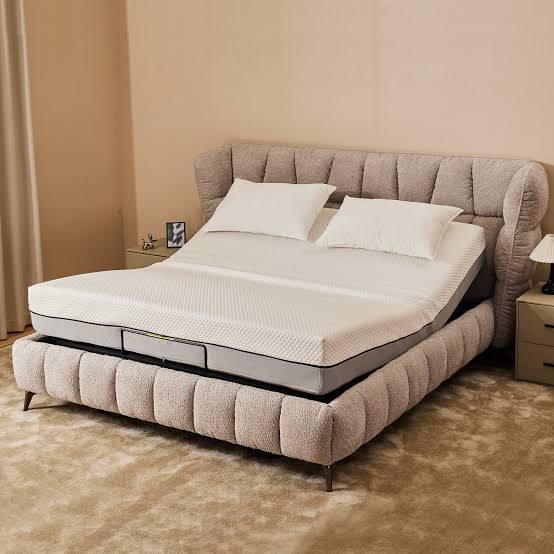
Can foam mattresses be used on adjustable beds?
Yes, especially flexible all-foam models without rigid coils.
What is the difference between memory foam and latex foam?
Memory foam contours deeply and slowly; latex is bouncier and more responsive.
Are expensive foam mattresses worth it?
Often yes for premium density, cooling, and warranties if you sleep on it nightly.
How can I tell if a foam mattress is high quality?
Check density specs, certifications, trial length, and construction details.
What should couples look for in a foam mattress?
Strong motion isolation, good edge support, and possibly split firmness.
Choosing the right foam mattress in 2026 doesn't have to be overwhelming when you focus on your unique needs rather than trends. Take the time to assess your sleep position and body, compare real specs, and use those generous trial periods. Your future self—waking up refreshed and pain-free—will thank you. Ready to upgrade? Start with the checklist above and shop confidently.