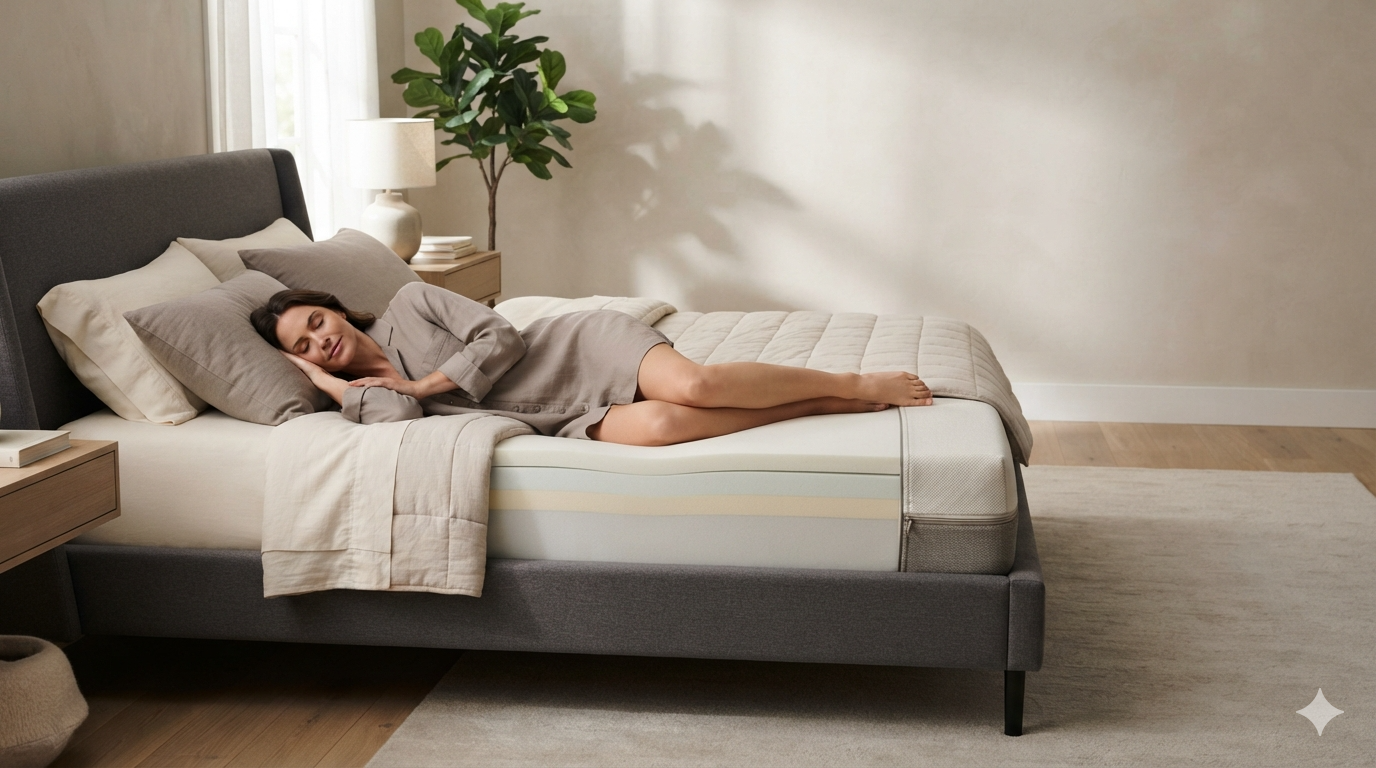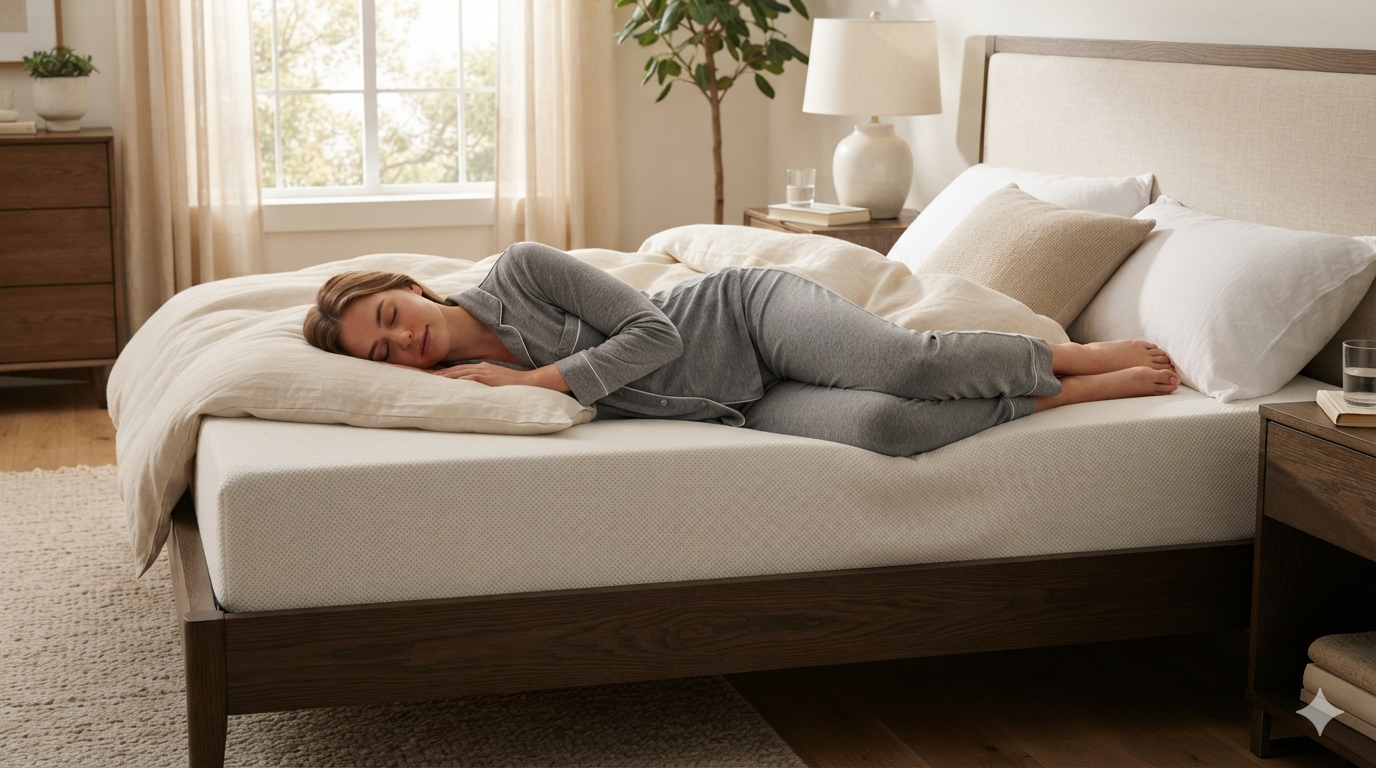

I still remember the morning I woke up, rolled over, and genuinely couldn't remember the last time I'd felt properly rested. Not just "had enough hours" rested. Actually refreshed. That groggy, foggy-headed feeling had become my normal, and honestly, I'd stopped questioning it. World Wellbeing Week changes that conversation every year, and it's why we're talking about it properly this time, because so much of what we call "wellbeing" starts in a place most people never think to check: the bed they're sleeping in.
In my experience working alongside the team at Bennetts Bedrooms, I've noticed something that comes up again and again. People will spend serious money on gym memberships, meal prep services, and meditation apps, yet they'll sleep on a seven-year-old sagging mattress without a second thought. World Wellbeing Week is the perfect nudge to flip that thinking on its head.
Key Takeaways
- Sleep is one of the most overlooked pillars of wellbeing, despite affecting nearly every system in the body
- A worn-out or unsupportive mattress is often the hidden cause of poor sleep, not stress or "just getting older"
- Mattresses typically need replacing every 7-10 years, yet most people wait far longer
- The right mattress type depends entirely on your body, sleep position, and personal preferences
- Bedroom environment (temperature, light, clutter) plays a measurable role in sleep quality
- Better sleep directly improves mood, immunity, productivity, and long-term health outcomes
Table of Contents
- Why Sleep Matters More Than Ever
- The Connection Between Sleep and Mental Wellbeing
- Physical Health Benefits of Good Sleep
- Why Your Mattress Matters
- How the Right Mattress Supports Better Sleep
- Choosing the Best Mattress for Your Needs
- The Importance of a Good Bed Frame
- Creating a Bedroom That Promotes Wellbeing
- Sleep and Workplace Productivity
- Why World Wellbeing Week Matters
- A Better Night's Sleep Is an Investment in Your Future
- Frequently Asked Questions
Images used in this article:
- world-wellbeing-week-sleep-better-live-better.jpg
- woman-stretching-after-restful-sleep.jpg
- health-benefits-of-quality-sleep-infographic.jpg
- old-mattress-vs-new-mattress-comparison.jpg
- mattress-types-pocket-sprung-memory-foam-hybrid.jpg
- calming-bedroom-for-healthy-sleep-habits.jpg
- sleep-statistics-one-third-of-life-asleep.jpg
- couple-relaxing-morning-comfortable-bedroom.jpg
Why Sleep Matters More Than Ever
Quick answer: Most adults need 7-9 hours of quality sleep nightly, yet chronic shortfalls are now linked to weight gain, heart disease, weakened immunity, and mental health struggles. Sleep isn't downtime. It's when your body does its repair work.
Modern life doesn't make this easy. Between long shifts, family responsibilities, and that last scroll through your phone before bed, sleep is usually the first thing to get sacrificed when life gets busy. What most people get wrong is assuming this trade-off is harmless. It isn't.
Poor sleep has been linked to a long list of problems, and I've seen this happen many times with friends and clients alike:
- Increased stress and anxiety
- Reduced concentration and memory
- Lower productivity at work
- Mood changes and irritability
- Reduced immune function
- Weight gain and metabolic issues
- Higher risk of heart disease
- Increased blood pressure
- Greater susceptibility to illness
This is where things get real: sleep touches nearly every system in your body. It's not a luxury, it's maintenance. Skip it consistently, and the bill comes due eventually, usually in ways that feel disconnected from sleep until you actually look at the research.
The Connection Between Sleep and Mental Wellbeing
Mental wellbeing gets talked about more than ever now, and rightly so. But sleep rarely gets the credit it deserves in that conversation.
Quick answer: Even one bad night of sleep can reduce focus, increase irritability, and impair decision-making. Chronic sleep deprivation compounds these effects and can contribute to longer-term mental health struggles.
I've noticed in myself, and heard from countless others, that a single poor night's sleep can make a totally manageable day feel impossible. Small annoyances feel bigger. Patience runs thin. Decisions that should take seconds suddenly feel overwhelming.
That's not a coincidence. Sleep helps regulate neurotransmitters like serotonin and dopamine, the same chemicals responsible for mood balance. Without enough uninterrupted sleep, your brain simply can't process emotions the way it's designed to.
Honestly, I made this mistake too for years. I blamed my mood swings on work stress when really, my sleep schedule was the actual problem. Better sleep often means better days, full stop.
Physical Health Benefits of Good Sleep

During sleep, your body essentially switches into repair mode. Muscles rebuild. Cells regenerate. Hormones rebalance. Your immune system gets stronger. Athletes understand this instinctively, which is why elite performers treat sleep as seriously as training.
But these benefits aren't reserved for athletes. Regular, high-quality sleep can help with:
- Cardiovascular health
- Blood sugar regulation
- Immune response
- Reduced inflammation
- Healthy weight management
- Skin condition
- Hormonal balance
- Healthy ageing
Most people ignore this part: good sleep is genuinely one of the most effective, free forms of preventative healthcare available to you. No subscription required, no supplements, just consistency and the right setup.
Why Your Mattress Matters
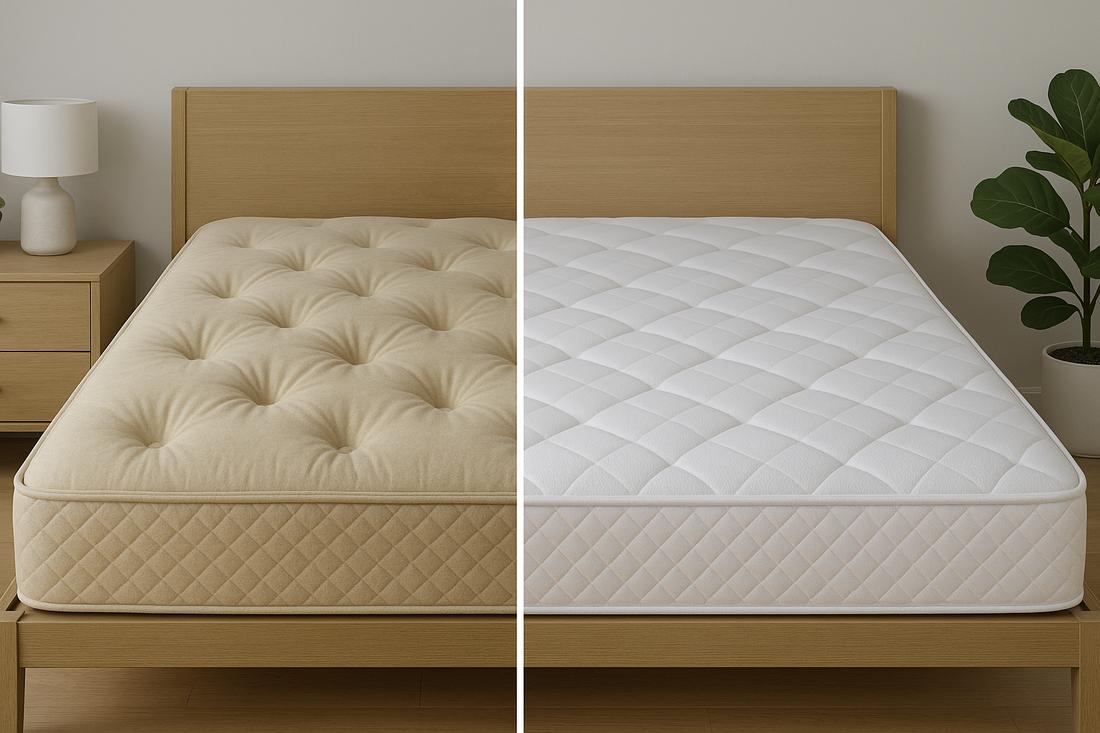
Here's where most people get stuck. They blame stress, work, or "just getting older" for poor sleep, when often the real issue is something much closer to home: the mattress they've been lying on for the better part of a decade.
Quick answer: Mattresses generally need replacing every 7-10 years. Warning signs include waking up tired, visible sagging, rolling toward the centre, and persistent back pain.
Signs your mattress might be working against you:
- Waking up tired despite enough hours in bed
- Rolling towards the centre of the mattress
- Visible sagging
- Increased back pain
- Difficulty finding a comfortable position
- Feeling noticeably better after sleeping elsewhere
I've seen this happen many times: someone sleeps brilliantly in a hotel room and assumes it's just "a nice break from routine," when really, the hotel mattress is simply doing its job properly. That's not a coincidence, it's a clue.
Also read: How to Make Your Bed Feel Like a Luxury Hotel: The Ultimate Guide to Five-Star Sleep
How the Right Mattress Supports Better Sleep

Everyone sleeps differently. Side sleepers, back sleepers, stomach sleepers, people who run hot, people who run cold, people who toss and turn all night without realising it. A mattress should support your natural spinal alignment and distribute weight evenly, regardless of how you sleep.
A genuinely supportive mattress can deliver:
- Improved spinal alignment
- Reduced neck pain
- Less pressure on hips and shoulders
- Fewer sleep interruptions
- Enhanced circulation
- Deeper, more restorative sleep
What most people get wrong here is assuming any mattress will "do the job" as long as it's not falling apart. In reality, the right support means you spend more time in deep sleep, the stage where most physical recovery actually happens. The wrong support quietly steals that time from you, night after night, without you ever realising it.
Choosing the Best Mattress for Your Needs
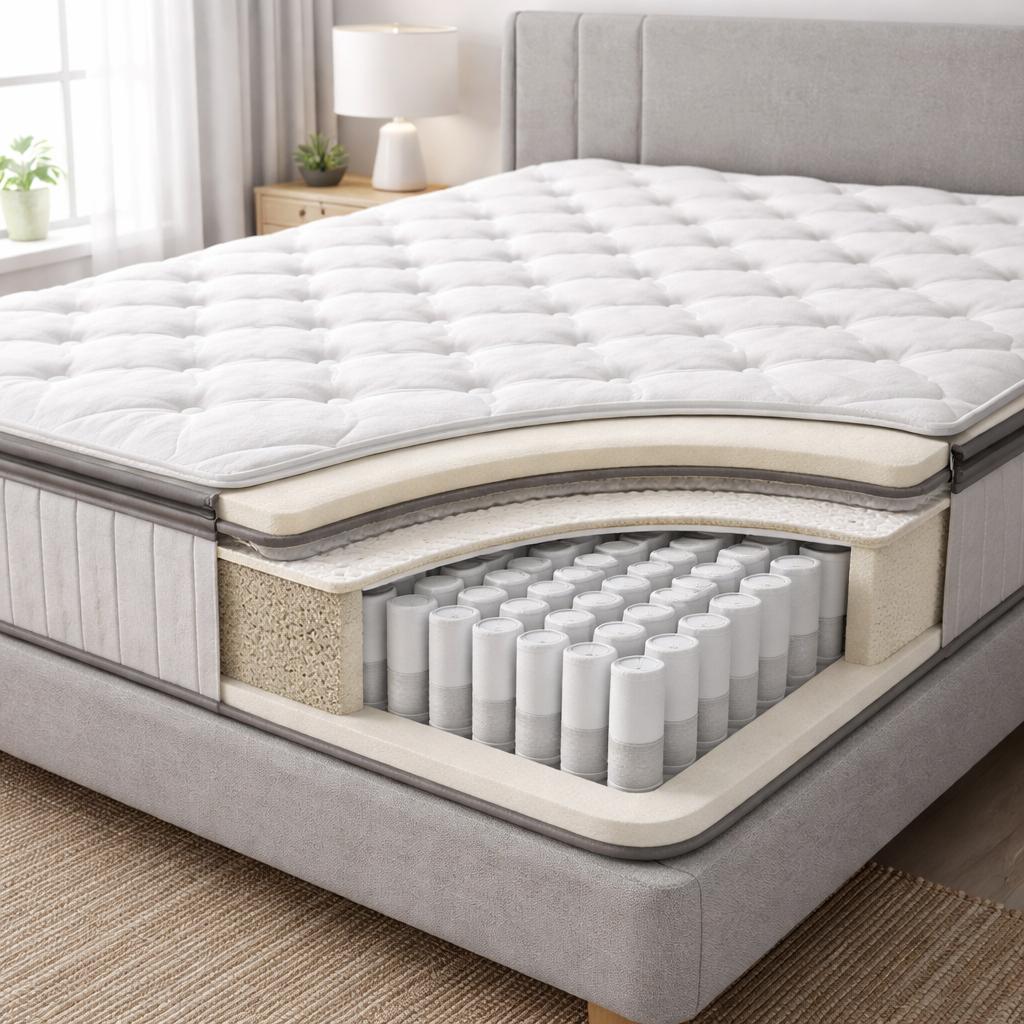
There's no single "best" mattress. The right choice depends on your body type, sleeping habits, and personal preferences. This is where taking the time to actually test mattresses pays off, rather than buying based on price alone.
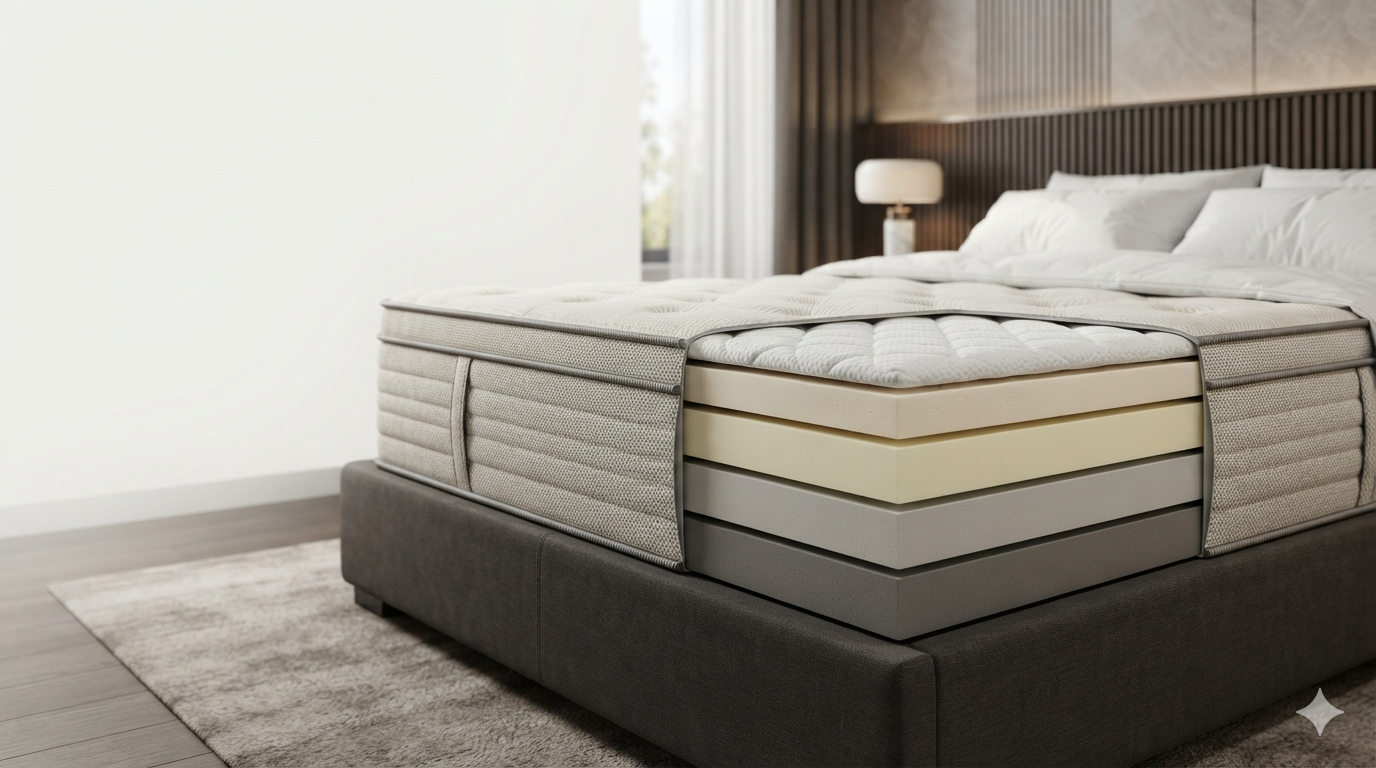
Pocket Sprung Mattresses
Pocket sprung mattresses use thousands of individually moving springs that respond to your body's contours. They're a strong option for couples, since each spring moves independently and minimises partner disturbance.
Memory Foam Mattresses
Memory foam moulds closely to your body shape, which can be particularly helpful if you deal with joint pain. Many modern memory foam options now include cooling technology, addressing the old complaint about foam sleeping hot.
Hybrid Mattresses
Hybrid mattresses combine springs with foam or natural fillings, balancing comfort, support, and breathability. These have become a popular middle-ground choice for sleepers who want versatility without committing fully to one feel.
Natural Fill Mattresses
Mattresses filled with wool, cotton, silk, or cashmere offer excellent temperature regulation, keeping you warmer in winter and cooler in summer.
| Mattress Type | Best For | Key Benefit |
| Pocket Sprung | Couples, back/stomach sleepers | Independent support, less partner disturbance |
| Memory Foam | Joint pain, side sleepers | Pressure relief, body contouring |
| Hybrid | Sleepers wanting balance | Combines support with breathability |
| Natural Fill | Temperature-sensitive sleepers | Excellent climate regulation |
At Bennetts Bedrooms, we treat mattress selection as a personal process, not a one-size-fits-all decision. Comfort is subjective, and the only way to really know is to test a few options properly.
The Importance of a Good Bed Frame
The mattress gets most of the attention, but the bed frame underneath matters more than people realise. A sturdy, well-built base helps maintain mattress performance over time. Cheap or poor-quality frames can cause unnecessary movement, squeaking, and uneven support, undoing a lot of what a good mattress is trying to do.
Storage beds also contribute to wellbeing in a less obvious way. A clutter-free bedroom genuinely helps the brain wind down, and storage solutions make that easier to maintain day to day.
Also read: Understanding European Bed Sizes: The Complete 2026 Guide for Expats & Homeowners
Creating a Bedroom That Promotes Wellbeing
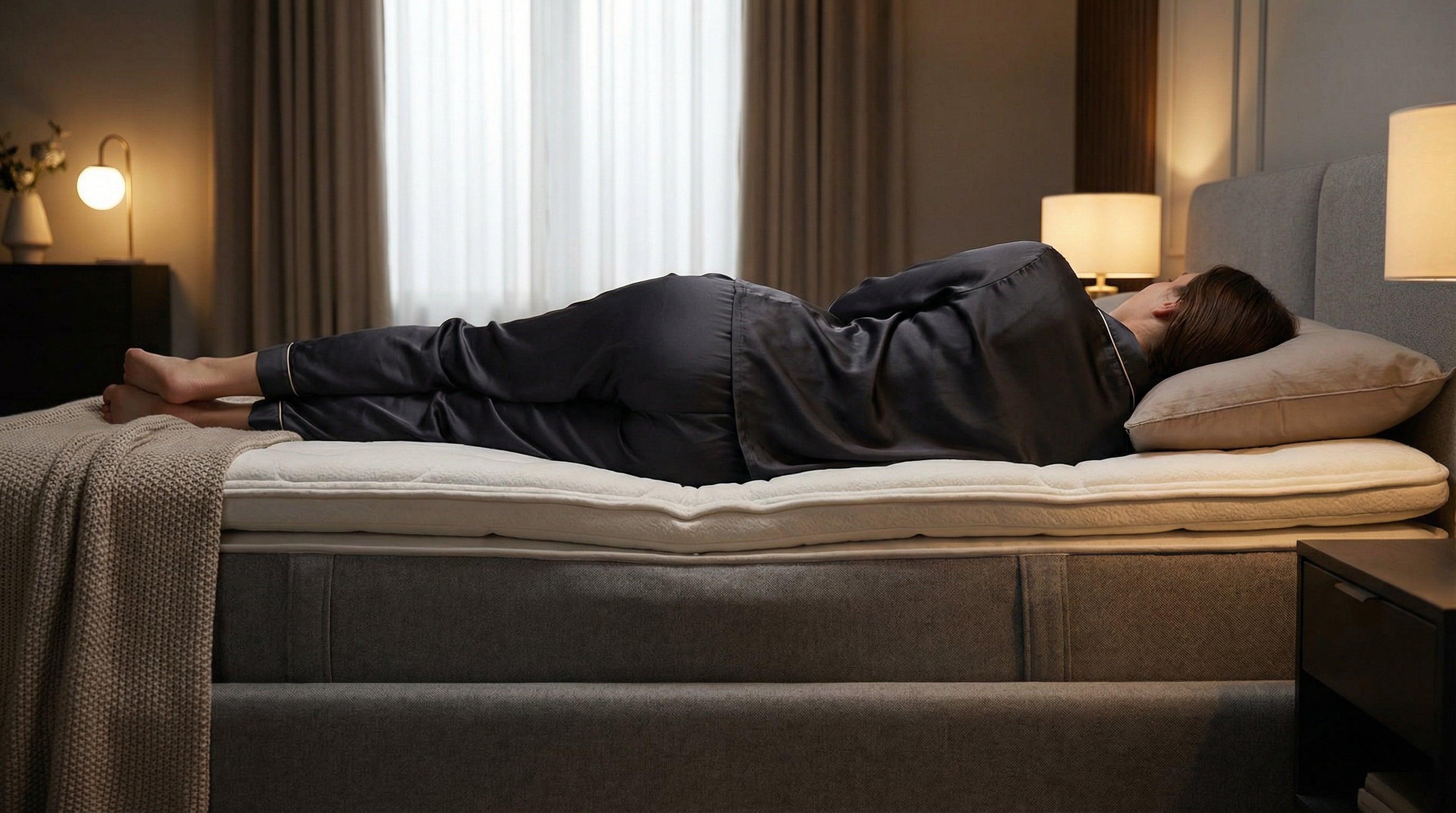
Sleep quality isn't just about the bed itself. Your whole bedroom environment plays a role, and small changes here can make a noticeable difference fairly quickly.
Keep Your Room Cool
Experts generally recommend a bedroom temperature between 16-18°C. A cooler room supports deeper, more consistent sleep cycles.
Reduce Screen Time
Blue light from phones and screens interferes with melatonin production. Try switching devices off at least an hour before bed. I'll be honest, this is the one habit I still struggle with most, but the nights I manage it, the difference is obvious.
Invest in Quality Bedding
Breathable sheets, supportive pillows, and a comfortable duvet all contribute to better sleep, often more than people expect.
Establish a Routine
Going to bed and waking at consistent times helps regulate your internal body clock, even on weekends.
Declutter Your Space
A calm, tidy room reduces visual distractions and helps signal to your brain that it's time to relax.
Sleep and Workplace Productivity
Businesses are increasingly recognising the link between employee wellbeing and performance, and sleep sits right at the centre of that. People who sleep well tend to think more clearly, communicate better, make fewer mistakes, and handle pressure with far more composure.
Poor sleep costs economies billions every year through lost productivity, absenteeism, and workplace accidents. This is exactly why initiatives like World Wellbeing Week matter so much, they spark conversations about habits that genuinely shape quality of life, not just feel-good slogans.
Why World Wellbeing Week Matters
World Wellbeing Week covers every angle of wellness: physical health, mental wellness, social connection, financial security, environmental awareness, and personal fulfilment. It's a reminder that wellbeing isn't built through one dramatic change. It's built through small, consistent habits, and sleep deserves a central place in that list.
Sleep affects how we think, how we feel, how we work, and how we connect with the people around us. At Bennetts Bedrooms, we genuinely believe investing in sleep is one of the most overlooked forms of self-investment available.
A Better Night's Sleep Is an Investment in Your Future

Most purchases in life are temporary. A quality mattress isn't. It delivers value every single night for years, which makes it one of the few purchases where the return genuinely compounds over time.
Consider this: if you sleep eight hours a night, you spend roughly a third of your life in bed. Over ten years, that's more than 29,000 hours. Very few things you own get that much daily use, which is exactly why choosing the right bed should never be an afterthought.
The potential benefits include:
- Improved energy levels
- Better posture
- Enhanced mood
- Reduced discomfort
- Increased productivity
- Stronger immunity
- Greater overall happiness
Also read: Bedroom Design Ideas for Comfort: The Sleep Specialist's 2026 Guide

At Bennetts Bedrooms, helping people sleep better is genuinely at the heart of what we do. Whether you need a new mattress, a practical storage bed, or a full bedroom refresh, the goal is the same: a space where wellbeing comes first.
So this World Wellbeing Week, ask yourself one simple question: when was the last time you woke up actually feeling refreshed? If you can't remember, that's usually the clearest sign it's time to rethink your sleep setup.
Frequently Asked Questions
How many hours of sleep do I actually need?
Most adults need between 7 and 9 hours of quality sleep each night, though individual needs can vary slightly based on age, activity levels, and overall health.
How do I know if my mattress is the problem?
Common signs include waking up tired despite enough hours in bed, visible sagging, increased back pain, and feeling noticeably better after sleeping elsewhere, like a hotel.
How often should I replace my mattress?
Most experts recommend replacing a mattress every 7 to 10 years, depending on its quality, materials, and how heavily it's been used.
What is the best mattress type for back pain?
Memory foam and hybrid mattresses are often recommended for back pain, as they contour to the body and relieve pressure points while still offering spinal support.
Does room temperature really affect sleep quality?
Yes. A bedroom kept between 16-18°C generally supports deeper, more restorative sleep cycles compared to a room that's too warm.
Can a new mattress actually improve mental health?
Better sleep, often resulting from better mattress support, helps regulate mood-related hormones like serotonin and dopamine, which can meaningfully improve emotional resilience over time.
What's the difference between memory foam and hybrid mattresses?
Memory foam moulds closely to the body for pressure relief, while hybrid mattresses combine springs and foam layers for a balance of support, bounce, and breathability.
Is it worth investing in a more expensive mattress?
Given how much daily use a mattress gets, roughly a third of your life, investing in quality often pays off through improved sleep, posture, and long-term comfort.
How does poor sleep affect work performance?
Poor sleep reduces concentration, slows decision-making, and increases mistakes, which is why many businesses now treat employee sleep and wellbeing as a productivity issue.
What is World Wellbeing Week?
World Wellbeing Week is an annual observance encouraging individuals and businesses to reflect on health, happiness, and overall wellbeing, including the often-overlooked role of quality sleep.
Should couples choose a different mattress than single sleepers?
Couples often benefit from pocket sprung or hybrid mattresses, since independently moving springs reduce motion transfer and partner disturbance during the night.
Better sleep doesn't start with a new app or another productivity hack. It starts with the bed you're lying in tonight. This World Wellbeing Week, take a proper look at your mattress, your bedroom setup, and your sleep routine, then make the change that's actually overdue. Because when you sleep better, genuinely everything else gets a little easier too.
#WorldWellbeingWeek #SleepWellLiveWell #BetterSleepBetterLife #BennettsBedrooms