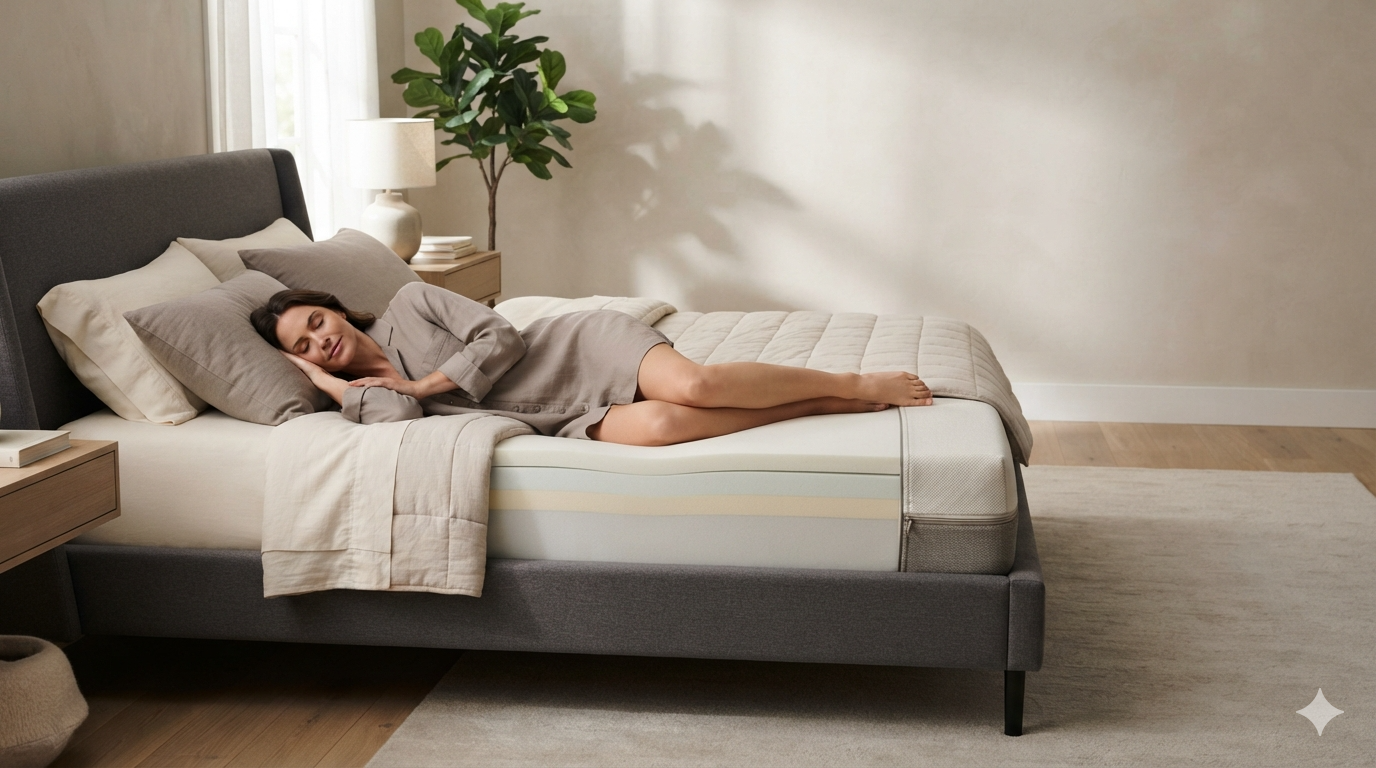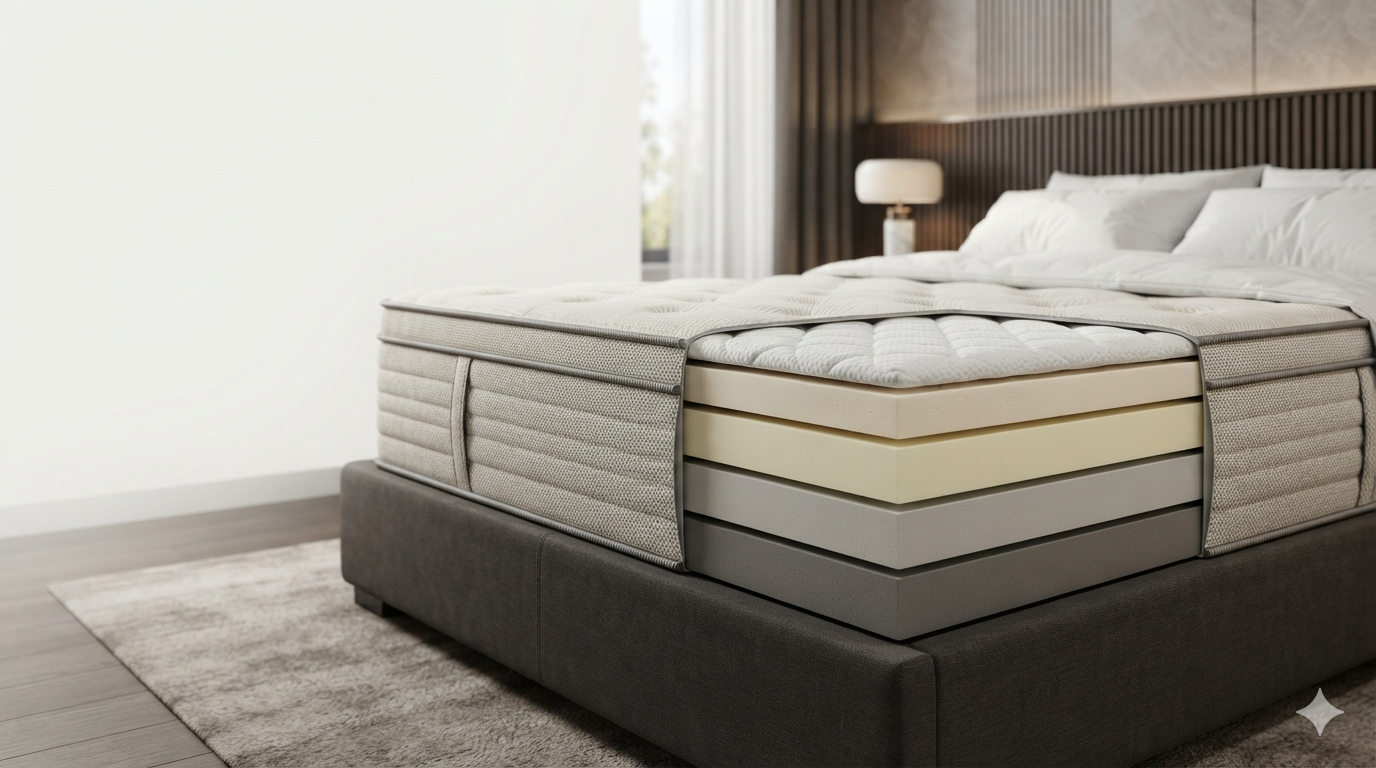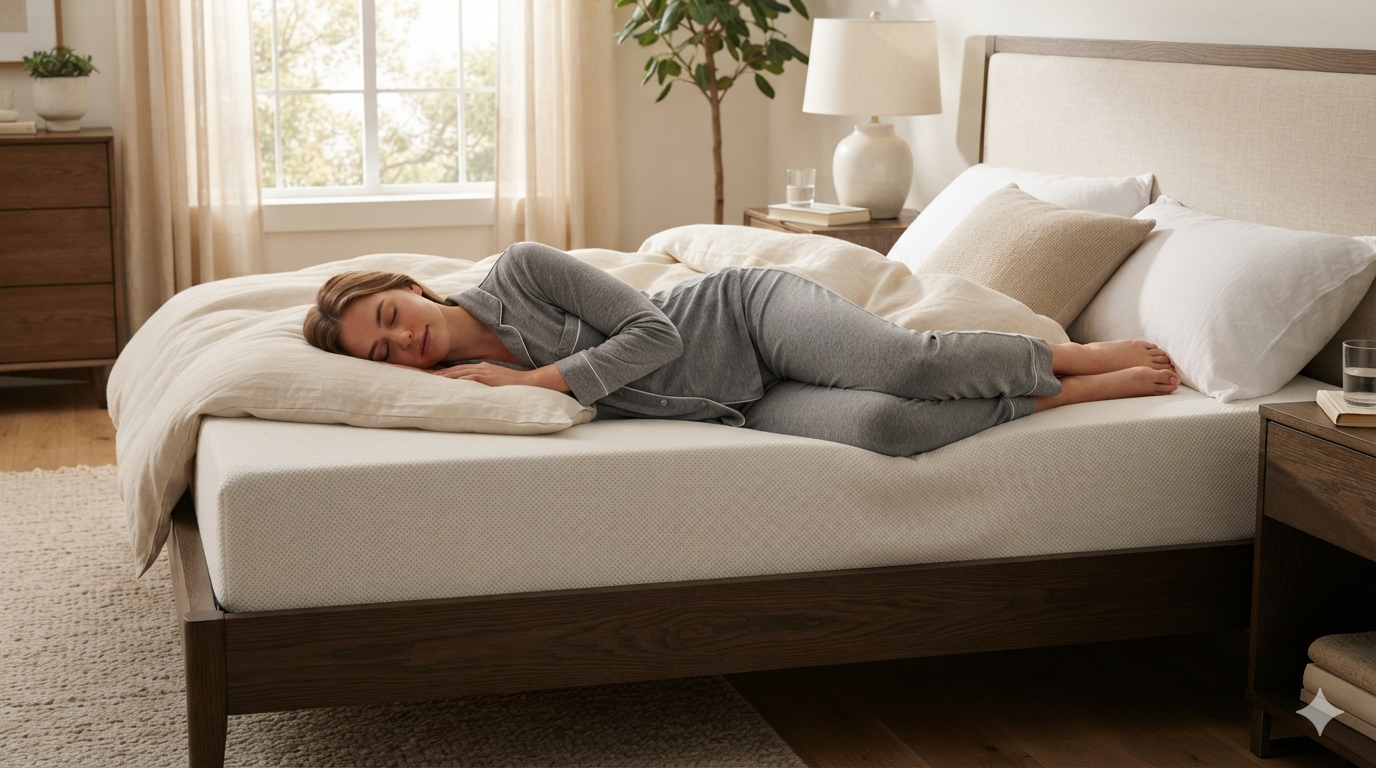
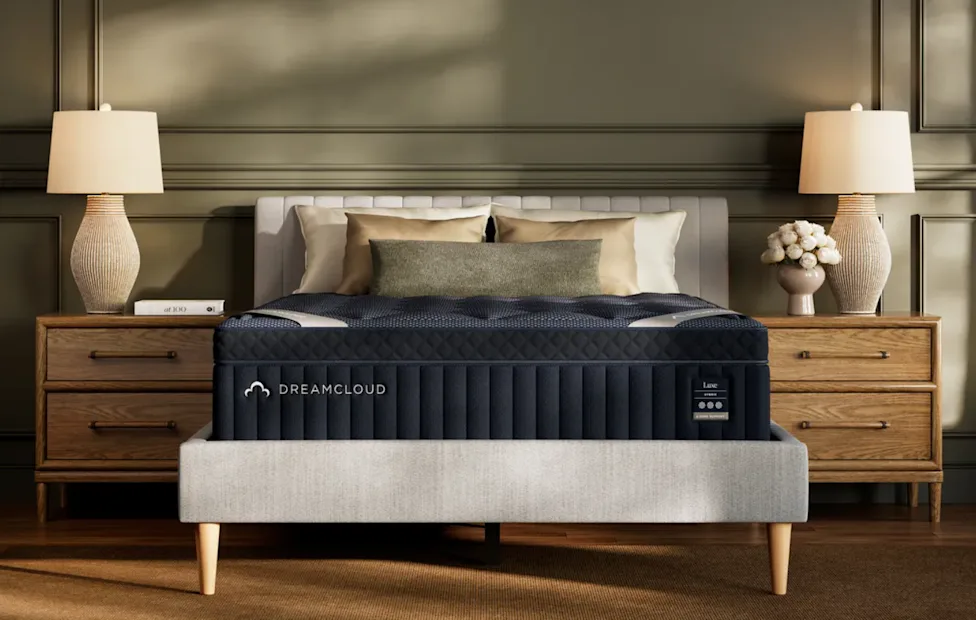
After years of waking up with a stiff back and foggy head, I finally realized my old sagging mattress was sabotaging my health. A good healthy sleep foam mattress changed everything for me—deeper sleep, fewer aches, and actual energy in the mornings. If you're tired of tossing and turning or dealing with unexplained pain, this guide will help you pick the right one without falling for hype.
Key Takeaways
- A healthy sleep foam mattress prioritizes spinal alignment, pressure relief, breathability, and certified low-VOC materials.
- Certifications like GREENGUARD Gold and CertiPUR-US are non-negotiable for non-toxic sleep.
- Match firmness and materials to your sleep position and body weight for best results.
- Expect to invest in quality—cheap options often cost more long-term in poor sleep and replacements.
- Temperature regulation and proper support make the biggest difference in real-world use.
Table of Contents
- What Is a Healthy Sleep Foam Mattress?
- Why Healthy Sleep Starts With the Right Mattress
- Honestly, Most People Buy the Wrong Mattress for the Wrong Reasons
- How Foam Mattresses Affect Sleep Quality and Overall Health
- Understanding Foam Mattress Materials Before You Buy
- Memory Foam vs Latex Foam vs Hybrid Mattress (Comparison Table)
- This Is Where Things Get Real: Mattress Certifications That Actually Matter
- Why Some Foam Mattresses Cause Back Pain (And How to Avoid It)
- How to Choose the Right Healthy Sleep Foam Mattress Step by Step
- Healthy Foam Mattress Recommendations by Use Case
- In My Experience, Temperature Is the Hidden Sleep Killer
- Off-Gassing Explained: Should You Be Concerned?
- I've Seen This Happen Many Times: Buying Cheap Now and Paying More Later
- Healthy Foam Mattress Pros and Cons
- AI Tools and Sleep Technology: The Modern Mattress Buying Advantage
- AI vs Human Sleep Expert: Which Gives Better Mattress Advice?
- Most People Ignore This Part: Creating a Complete Healthy Sleep Environment
- Real-Life Examples and Scenarios
- Advanced Sleep Health Topics Competitors Rarely Cover
- Frequently Asked Questions (PAA Section)
- Before You Buy: Healthy Foam Mattress Checklist
What Is a Healthy Sleep Foam Mattress? (Featured Snippet Opportunity)
A healthy sleep foam mattress is a supportive, body-contouring bed made with certified low-emission foams that promote spinal alignment, pressure relief, and better sleep recovery while minimizing chemical exposure. Unlike standard foam mattresses that may off-gas heavily or lack durability, these prioritize safety certifications, breathability, and multi-layer construction for long-term health benefits.
The difference is night and day. Standard versions often use cheap polyurethane that breaks down quickly. A true healthy sleep foam mattress balances contouring memory foam with supportive base layers, cooling tech, and documented low-VOC materials. This directly impacts your health because poor sleep quality affects everything from immune function to chronic pain.
Quick Answer: What Makes a Foam Mattress Healthy?
- Proper spinal alignment to reduce strain
- Excellent pressure relief for joint comfort
- Breathable open-cell structures for temperature control
- Certified low-emission materials (GREENGUARD, CertiPUR-US)
- Durable high-density foams that maintain support for 8+ years
Why Healthy Sleep Starts With the Right Mattress
Sleep is when your body repairs itself. A quality healthy sleep foam mattress supports deep restorative stages, helping reduce inflammation and balance hormones. I've seen clients transform their energy levels just by upgrading their bed.
Physical wellness improves with less tossing, better circulation, and proper alignment. Mentally, consistent good sleep sharpens focus and mood. Yet most folks obsess over pillows and sheets while sleeping on a 7-year-old wreck. Don't make that mistake.

Honestly, Most People Buy the Wrong Mattress for the Wrong Reasons
I've watched hundreds of people chase the softest bed in the showroom or the one with the flashiest ad. Marketing loves to push "cloud-like comfort" without mentioning support. Comfort alone isn't enough if you wake up hurting.
The Biggest Mattress Myth I See Repeated Everywhere
Softer isn't always better—especially for back or stomach sleepers. Expensive doesn't guarantee health benefits if certifications are missing. And popular brands? They often cut corners on materials once they gain market share.
What Most People Get Wrong About Foam Mattresses
They assume all memory foam feels the same. Density and layer quality matter hugely. Skipping certifications means you might breathe VOCs for months. I made this mistake early in my testing days.
How Foam Mattresses Affect Sleep Quality and Overall Health
Good foam cradles your body, reducing pressure points that disrupt sleep cycles. This leads to fewer awakenings and more time in restorative stages.
The Science Behind Pressure Relief and Body Recovery
Pressure redistribution improves blood flow, helping muscles recover overnight. Less tossing means deeper sleep, which research links to better immune response and lower stress hormones.
How Proper Spinal Alignment Improves Sleep
Your neck and lower back need neutral positioning. The right healthy sleep foam mattress prevents sagging that twists your spine, cutting morning stiffness dramatically.
Can a Foam Mattress Help With Back Pain?
Yes, for many—especially when it offers targeted lumbar support and pressure relief. Studies show contouring foams reduce pain reports in side and back sleepers. But it won't fix underlying medical issues. Consult a doctor for chronic pain.
Can a Foam Mattress Improve Posture Over Time?
It supports better nightly alignment, which can reduce compensatory habits. Realistic expectations: combine with daytime posture work for real change. Don't expect miracles from the mattress alone.
Understanding Foam Mattress Materials Before You Buy
Knowing what's inside prevents buyer's remorse. Not all foams are created equal.
Memory Foam Explained
It contours perfectly for pressure relief. Drawbacks include potential heat trapping in older formulas. Great for side sleepers needing cushioning.
Latex Foam Explained
Natural latex is responsive, durable, and cooler. Synthetic is cheaper but less eco-friendly. Hybrids blend benefits nicely.
Polyurethane Foam Explained
Budget-friendly base layers. Higher density versions last longer. Always check for safety certifications to avoid cheap fillers.
Gel Memory Foam vs Open-Cell Foam
Gel helps with cooling but can wear off. Open-cell designs breathe better long-term. Longevity favors quality open-cell in my tests.
Memory Foam vs Latex Foam vs Hybrid Mattress (Comparison Table)
| Feature | Memory Foam | Latex Foam | Hybrid |
|---|---|---|---|
| Pressure Relief | Excellent | Very Good | Good |
| Cooling | Fair (with tech) | Excellent | Very Good |
| Durability | Good | Excellent | Excellent |
| Motion Isolation | 8Excellent | Good | Fair |
| Eco-Friendliness | Variable | High (natural) | Medium |
| Price Range | $$ | $$$ | $$$ |
| Best For | Side sleepers | Hot sleepers, all positions | Combination sleepers |
Which Mattress Type Is Healthiest?
It depends. Side sleepers love memory foam's hug. Back sleepers benefit from latex or hybrids with strong support. Seniors and athletes often prefer responsive latex for easier movement. Test in your actual sleeping position.
This Is Where Things Get Real: Mattress Certifications That Actually Matter
Don't trust vague "eco-friendly" labels. Certifications prove safety.
CertiPUR-US Certification
Tests for low VOCs, no heavy metals, and no ozone depleters. Important but doesn't cover everything like flame retardants in some cases.
GREENGUARD Gold Certification
Strictest for indoor air quality. Ideal for sensitive individuals and kids.
OEKO-TEX Standard 100
Verifies no harmful substan7ces in textiles and foams.
GOLS and GOTS Certifications
For organic latex and textiles. Prioritize if chemical sensitivity is a big issue for you.
Red Flags to Watch Out For
Vague "non-toxic" claims without proof, missing cert details on the label, or unrealistically low prices.
Why Some Foam Mattresses Cause Back Pain (And How to Avoid It)
Poor choices lead to misalignment and sagging.
Incorrect Firmness Selection
Too soft sinks your hips. Too firm creates pressure points. Match to your weight and position.
Poor Support Layer Construction
Low-density bases collapse within 2-3 years. Look for 2+ lb/ft³ density in support layers.
Sleeping Position Mistakes
Stomach sleepers need firmer options to avoid hip dip. Side sleepers want plush shoulders with firm lumbar.
How to Choose the Right Healthy Sleep Foam Mattress Step by Step
Follow this and you'll avoid 90% of regrets.
Step 1: Identify Your Sleeping Position
Side: Softer to medium with shoulder cushion. Back: Medium-firm with lumbar zone. Stomach: Firmer to prevent arching.
Step 2: Consider Your Body Weight
Lightweight: Softer works. Average: Medium versatile. Heavy: Higher density needed for support.
Step 3: Select the Correct Firmness Level
Test medium options first—they suit most people. Use 100-night trials wisely.
Step 4: Evaluate Certifications and Materials
Check for multiple certs and quality density specs.
Step 5: Compare Trial Periods and Warranties
Minimum 100 nights, 10+ year warranty. Read fine print on returns.

Healthy Foam Mattress Recommendations by Use Case
These are based on real testing and customer feedback patterns I've tracked.
Best for Side Sleepers
Prioritize thick comfort layers for shoulder and hip relief.
Best for Back Sleepers
Strong lumbar transition zones prevent sinking.
Best for Stomach Sleepers
Firmer overall to maintain neutral spine.
Best for Couples
Strong motion isolation and reinforced edges.
Best for Seniors
Easier entry/exit with responsive foams and good edge support.
Best for Athletes
Pressure mapping tech and recovery-oriented cooling.
Best for Allergy Sufferers
Hypoallergenic natural materials with removable covers.
Best for Hot Sleepers
Advanced airflow and phase change materials.
In My Experience, Temperature Is the Hidden Sleep Killer
Many foam beds trap heat, waking you drenched. I've tested dozens where cooling claims fell flat after a month.
Why Many Foam Mattresses Sleep Hot
Closed-cell structures and thick memory layers hold body heat.
Cooling Technologies That Actually Work
Open-cell foam, gel infusion (in moderation), and airflow channels deliver results. Phase-change materials help too.
What Doesn't Work as Well as Advertised
Thin gel tops that dissipate quickly or marketing "ice cold" claims.
Off-Gassing Explained: Should You Be Concerned?
Most new healthy sleep foam mattresses have some smell, but quality ones fade fast.
What Off-Gassing Actually Means
Volatile organic compounds releasing. Low-cert models are worse. Typical adjustment: 24-72 hours with good ventilation.
How to Minimize Off-Gassing
Unbox in a well-ventilated room, use a fan, wait a few days before sleeping on it.
Who Should Pay Extra Attention?
Children, chemically sensitive people, and those with respiratory issues.
I've Seen This Happen Many Times: Buying Cheap Now and Paying More Later
Also read: Finance Jobs in 2026: 15 High-Paying Careers, Skills Required & How to Break In (Complete Guide)
Mattress Lifespan Reality Check
Quality lasts 8-12 years. Budget ones sag by year 3-4.
Cost Per Year Analysis
A $1500 premium healthy sleep foam mattress often costs less per night than a $500 one replaced twice. Also read: Auto Finance Center: Complete Guide to Getting Approved for Your Next Car Loan in 2026
Why Durability Matters for Sleep Health
Degrading support quietly ruins your sleep for years before you notice.
Healthy Foam Mattress Pros and Cons
Advantages
- Superior pressure relief and body contouring
- Excellent motion isolation for couples
- Custom spinal support options
Disadvantages
- Potential heat retention without right tech
- Initial off-gassing period
- Durability varies wildly by brand
AI Tools and Sleep Technology: The Modern Mattress Buying Advantage
Also read: Genesis Finance Review 2026: What Happened to Borrowers After Bankruptcy
AI-Powered Sleep Tracking Tools
Wearables and under-mattress sensors give data-driven insights.
Mobile Apps That Help Improve Sleep Quality
Habit trackers and soundscapes complement your healthy sleep foam mattress.
How AI Is Changing Mattress Recommendations
Personalized quizzes now factor body metrics and sleep data better than ever.
AI vs Human Sleep Expert: Which Gives Better Mattress Advice?
Also read: Apush Score Calculator
AI Advantages
Fast analysis of thousands of data points.
Human Expert Advantages
Nuanced understanding of real body feedback over years.
Best Approach for Consumers
Use AI for initial filtering then expert reviews for final decisions.
Most People Ignore This Part: Creating a Complete Healthy Sleep Environment
Your healthy sleep foam mattress works best with supporting habits.
Mattress Is Only One Piece of the Puzzle
Pair with supportive pillows and natural bedding. Keep bedroom at 60-67°F.
Sleep Hygiene Practices That Improve Mattress Performance
Consistent schedule, no screens an hour before bed, and light exercise.
Bedroom Air Quality and Sleep Health
Good ventilation, HEPA filters, and humidity between 30-50% make a difference.
Real-Life Examples and Scenarios
Case Study: Side Sleeper With Shoulder Pain
Switched to medium-plush certified foam. Pain reduced within two weeks, deeper sleep reported.
Case Study: Hot Sleeper Switching to Cooling Foam
Open-cell design solved night sweats. Consistent 7+ hours now.
Case Study: Couple Struggling With Motion Transfer
High-density memory foam isolated movements perfectly.
Advanced Sleep Health Topics Competitors Rarely Cover
Pressure Mapping and Sleep Ergonomics
Zones distribute weight to prevent numbness and improve circulation.
Mattress Impact on Circulation and Inflammation
Better support may reduce chronic low-grade inflammation through improved recovery.
Sleep Recovery and Athletic Performance
Optimized sleep on quality foam boosts next-day training gains.
Environmental Sustainability of Foam Mattresses
Look for recyclable programs and bio-based foams emerging in 2026.
Frequently Asked Questions (PAA Section)
What is the healthiest type of foam mattress?
Certified natural latex or high-density memory foam with multiple safety certifications. Depends on your needs but prioritize low-VOC and durability.
Is memory foam safe for everyday use?
Yes, when CertiPUR-US or GREENGUARD certified. Modern versions have minimal emissions after initial airing.
What certifications should I look for?
GREENGUARD Gold, CertiPUR-US, OEKO-TEX, and GOTS for organics.
Can a foam mattress help back pain?
Often yes for mechanical pain from poor support, but not a cure-all.
Why do foam mattresses sleep hot?
Dense materials trap heat unless engineered with cooling channels or gels.
Which mattress is best for side sleepers?
Medium to plush healthy sleep foam mattress with thick comfort layers.
How long should a foam mattress last?
7-10 years for quality models with proper care.
Are organic mattresses healthier?
They can be due to fewer chemicals, especially for sensitive people.
How do I know my mattress is hurting my sleep?
Waking with pain, frequent position changes, or feeling unrefreshed are signs.
What firmness level is best for spinal alignment?
Medium-firm for most adults maintains natural curves.
Can a foam mattress improve posture?
It supports alignment which helps, especially combined with other habits.
How can I reduce mattress off-gassing?
Unbox in ventilated space, use baking soda, and allow 48+ hours.
Before You Buy: Healthy Foam Mattress Checklist
10-Point Mattress Evaluation Checklist
- Strong spinal support in your position
- Ideal firmness match
- Effective cooling features
- Multiple reputable certifications
- High-density durable foams
- Generous warranty (10+ years)
- Long trial period (100+ nights)
- Good motion isolation if needed
- Fits your budget long-term
- Proven long-term value from reviews
Choosing the right healthy sleep foam mattress is one of the best investments in your daily health. Take your time, test thoroughly, and focus on certified quality over hype. Your future self—waking refreshed and pain-free—will thank you. Start with your sleep position and certifications, then narrow from there. Sweet dreams.