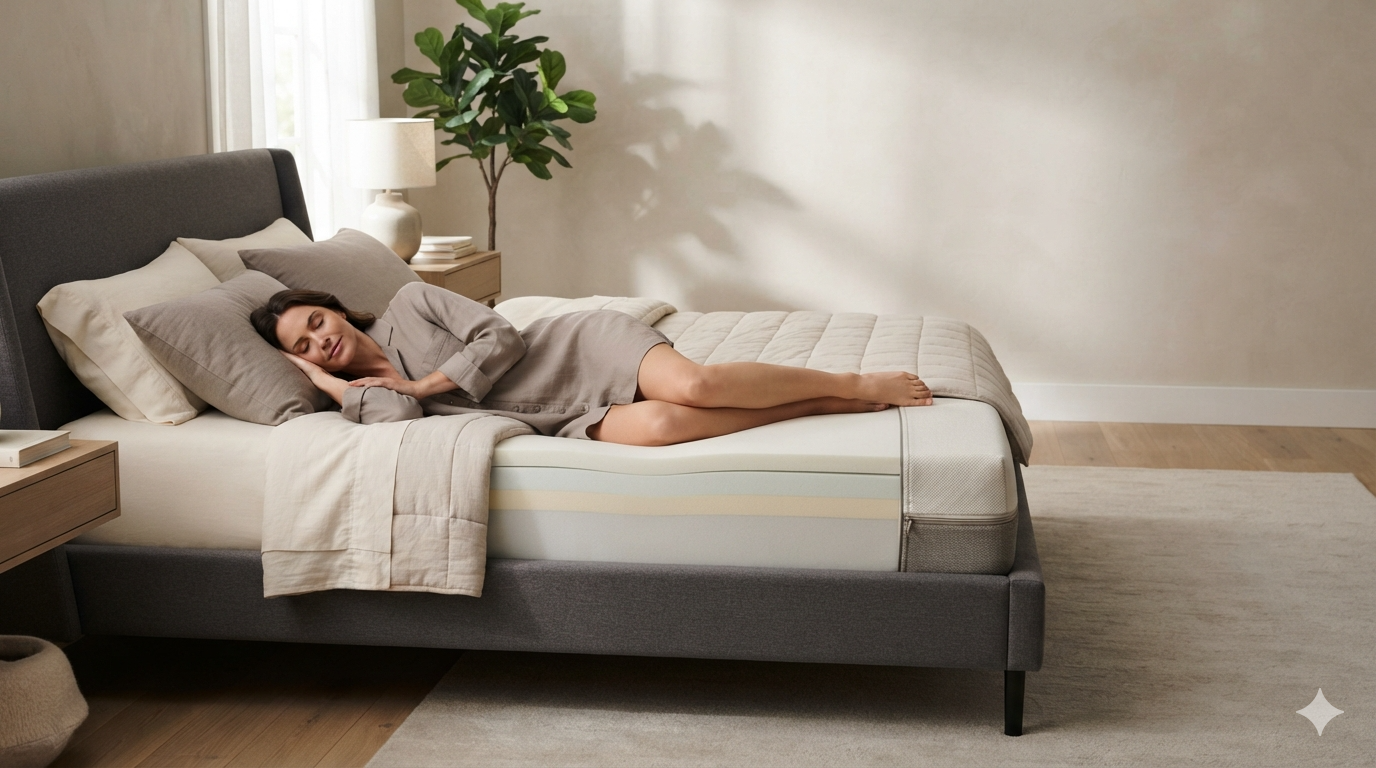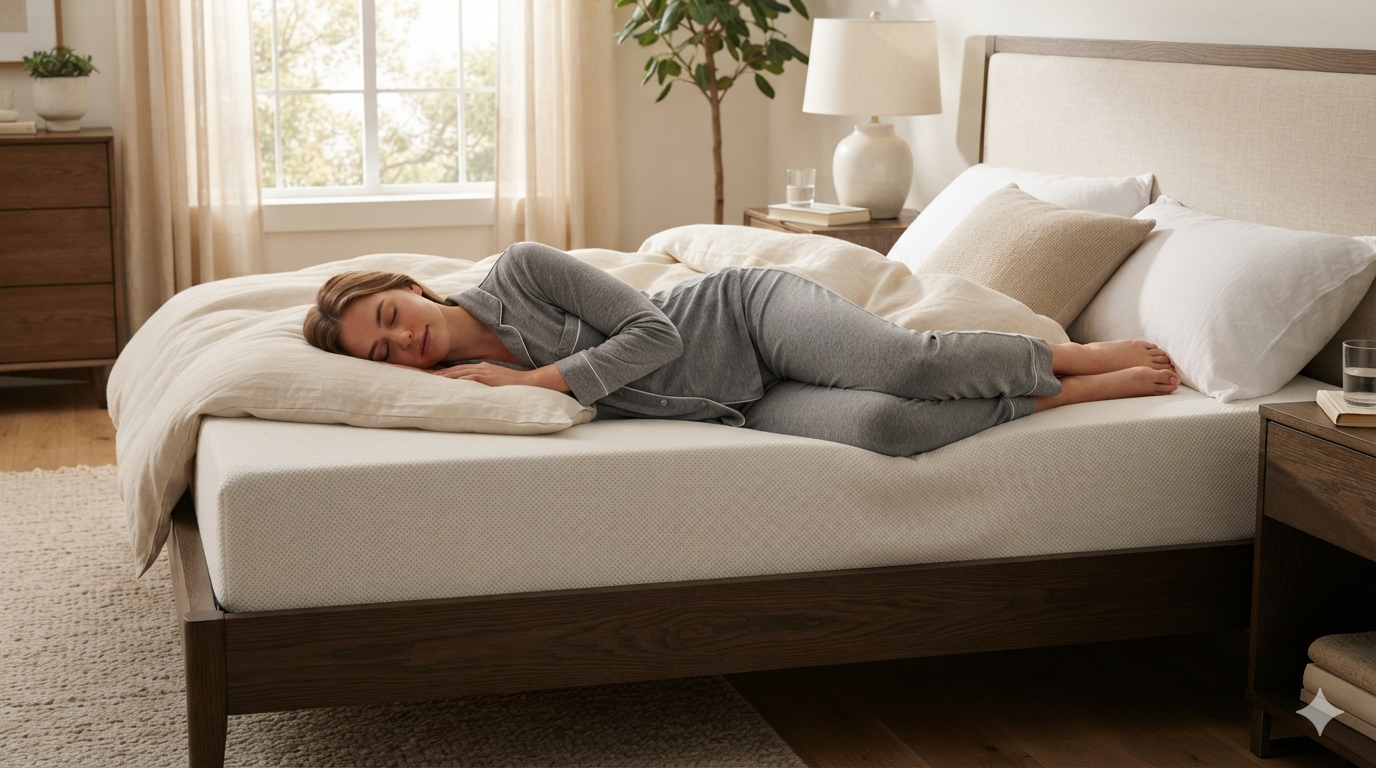
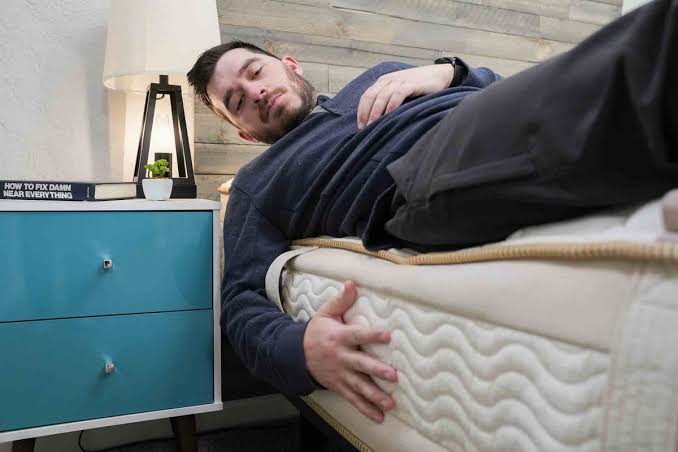
You slept eight hours last night. So why does your back feel like you spent the night on a park bench? If you're waking up stiff, achy, or unrested, the problem isn't your sleep schedule — it's almost certainly your mattress. Finding the best memory foam mattress for back pain isn't just about comfort; it's about protecting your spine every single night.
I've been writing about sleep health and bedroom products for over a decade, and the number of people I've spoken with who suffered for years on the wrong mattress is genuinely frustrating. The good news? The right mattress can change everything. Let me show you exactly how to find it.
Key Takeaways
- Poor spinal alignment — not mattress softness — is the #1 cause of sleep-related back pain
- Medium-firm memory foam mattresses work best for most back pain sufferers
- High-density foam outlasts cheap foam by 3–5 years
- Firmness should match your sleep position AND body weight, not just personal preference
- Always use a trial period — adjustment takes at least 2–3 weeks
- CertiPUR-US and OEKO-TEX certifications matter more than most buyers realize
Table of Contents
- Why So Many People Wake Up With Back Pain
- What Makes a Memory Foam Mattress Good for Back Pain
- In My Experience, Firmness Causes More Pain Than the Mattress Itself
- Best Memory Foam Mattress for Different Types of Back Pain
- Honestly, I Made This Mistake Too
- Comparison Table — Best Memory Foam Mattresses 2026
- Memory Foam vs Hybrid vs Latex
- Step-by-Step Guide to Choosing the Right Mattress
- This Is Where Things Get Real — Cheap Foam Often Fails
- Mattress Certifications Most Buyers Ignore
- Best Cooling Memory Foam Mattresses for Hot Sleepers
- Real-Life Use Cases
- Most People Ignore This Part — Your Pillow Matters Too
- Common Mistakes Beginners Make
- Mattress Topper vs Buying a New Mattress
- AI Tools and Sleep Technology in 2026
- How to Test a Mattress During the Trial Period
- Chiropractor and Orthopedic Insights
- Featured Snippet — Quick Answers
- Frequently Asked Questions
- Before You Buy, Ask Yourself These 5 Questions
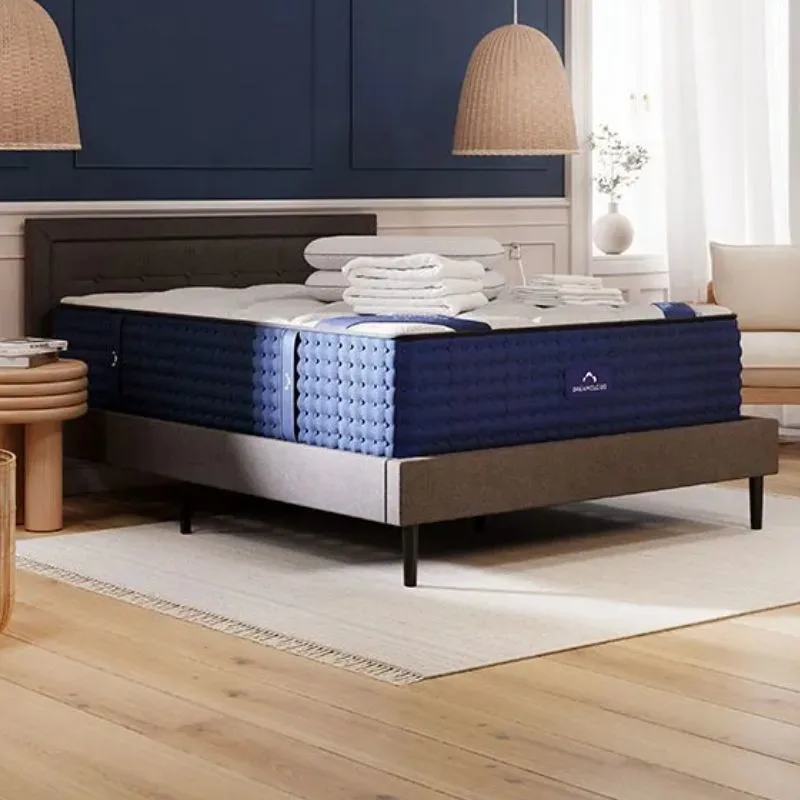
Why So Many People Wake Up With Back Pain Even After 8 Hours of Sleep
Here's the uncomfortable truth: sleep duration means nothing if your spine is spending eight hours in a crooked position. A mattress that fails to maintain spinal neutrality — that natural S-curve your spine is supposed to hold — puts constant pressure on the lumbar discs and surrounding muscles. By morning, those muscles are tight, inflamed, and angry.
Quick answer: A mattress causes back pain when it fails to keep the spine in a neutral position, creating pressure points at the hips, shoulders, and lower back that accumulate stress over hours of rest.
According to sleep research, roughly 80% of adults experience back pain at some point, and poor sleep surfaces are a leading contributing factor. Sagging mattresses are particularly deceptive — they feel soft at first but quietly pull the hips out of alignment, forcing the lumbar spine into a curved "hammock" position all night.
I've seen this happen many times with people who thought a firmer mattress automatically meant better support. Firmness and support are not the same thing. A mattress can feel rock solid and still fail to support the lumbar curve properly if it lacks zoned pressure relief.
Old mattresses are the worst offenders. Most foam mattresses start breaking down structurally after 6–8 years, often before the visible sagging becomes obvious. If your mattress is older than that and your back pain is getting worse, you already know what to do.
What Makes a Memory Foam Mattress Good for Back Pain Relief?
Pressure Relief and Body Contouring Explained
Memory foam was originally developed by NASA to absorb pressure during space travel — and that core purpose translates beautifully to sleep. When you lie down, contouring foam responds to your body heat and weight, distributing pressure evenly rather than letting it concentrate at the hips and shoulders.
This matters enormously for back pain. Pressure points at the hips cause the pelvis to tilt, which rotates the lower spine out of alignment. Good memory foam supports those contact zones while still keeping the spine straight — it's a delicate balance that cheap foam simply can't achieve.
Why Medium-Firm Usually Works Best
Multiple clinical studies over the past two decades have pointed toward medium-firm mattresses as the sweet spot for chronic lower back pain. One landmark study published in The Lancet found that medium-firm mattresses produced significantly less daytime pain and disability compared to firm ones.
Here's the practical breakdown:
- Soft mattresses: Feel luxurious but allow the hips to sink too deep, misaligning the spine
- Firm mattresses: Resist pressure points but don't contour enough for side sleepers or lighter bodies
- Medium-firm: Provides enough give to relieve pressure while still supporting the lumbar zone
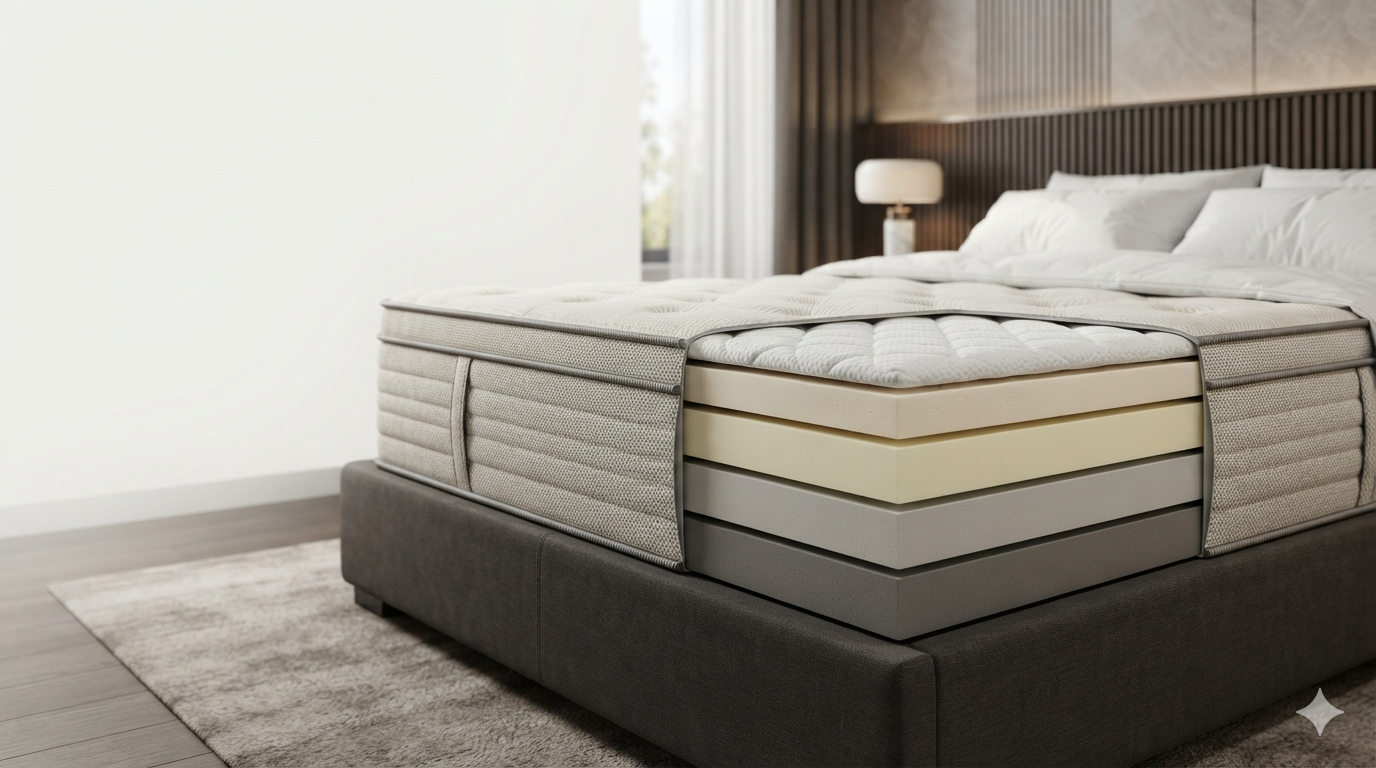
High-Density Foam vs Cheap Low-Density Foam
Foam density is measured in pounds per cubic foot (PCF). Quality memory foam sits at 4–5 PCF or higher. Budget mattresses often use 2–3 PCF foam that compresses unevenly within 18 months, creating the same sagging problem you were trying to escape.
High-density foam holds its shape longer, distributes weight more consistently, and genuinely supports the lumbar region across years of use — not just the first few months. If a mattress doesn't disclose its foam density, that's usually a red flag worth noting.
Cooling Technology Most People Ignore
Traditional memory foam traps body heat like a thermal blanket, which might sound cozy until you're waking up sweaty at 3am with a stiff back. Overheating disrupts deep sleep — specifically the slow-wave stages where muscle repair and spinal recovery actually happen.
Modern solutions include:
- Gel-infused foam: Absorbs and disperses heat away from the body
- Open-cell memory foam: Allows air circulation through the foam structure
- Phase-change material covers: Actively regulate surface temperature
- Breathable Tencel or bamboo covers: Wick moisture and improve airflow
If you tend to sleep hot, cooling technology isn't a luxury — it's directly tied to how well your body recovers overnight.
In My Experience, Choosing the Wrong Firmness Causes More Pain Than the Mattress Itself
Best Firmness for Side Sleepers
Side sleepers need a mattress that cushions the shoulder and hip while keeping the spine level — that means medium to medium-soft (around a 4–6 on a 10-point scale). Too firm and those bony contact points create pressure that radiates into the neck and lower back. The goal is preventing spinal twisting, which happens when the hip sinks unevenly relative to the waist.
Best Firmness for Back Sleepers
Back sleepers need more lumbar support. A medium-firm mattress (6–7 range) works well here because it prevents the lower back from collapsing into the foam while still allowing the natural curve to be cradled rather than flattened. Back sleeping is actually the most spine-friendly position when paired with the right surface.
Best Firmness for Stomach Sleepers
Stomach sleeping is the hardest position on the spine — full stop. If you can't break the habit, a firmer mattress (7–8 range) is essential to prevent the hips from sinking and forcing excessive lumbar arch. A soft mattress for a stomach sleeper is a recipe for chronic lower back and neck pain.
Best Mattress Firmness by Body Weight
- Under 130 lbs: Softer mattresses (3–5) — lighter bodies don't compress foam enough to feel support from firm surfaces
- 130–230 lbs: Medium to medium-firm (5–7) — the sweet spot for most adults
- Over 230 lbs: Firm to extra-firm (7–9) with reinforced support layers — standard foam compresses too easily under higher body weight, losing lumbar support quickly
Best Memory Foam Mattress for Different Types of Back Pain
Best for Lower Back Pain
Look for zoned support mattresses with firmer foam in the lumbar region and softer zones at the shoulders and legs. The Saatva Classic and Tempur-Pedic ADAPT series both excel here with targeted lumbar reinforcement.
Best for Sciatica Relief
Sciatica sufferers often benefit most from medium-soft to medium mattresses that relieve hip pressure without collapsing. The Nectar Premier and Helix Midnight are consistently strong choices for sciatica because they reduce the hip compression that aggravates the sciatic nerve. For more on this, see our guide on the best bedroom setup for comfort and sleep quality.
Best for Arthritis and Joint Pain
Arthritis demands a mattress that minimizes pressure at every joint contact point — especially knees, hips, and shoulders. Gel memory foam with a plush comfort layer over a firm support base is ideal. Puffy Lux handles this combination particularly well.
Best for Herniated Disc Support
With herniated discs, spinal neutrality is non-negotiable. Medium-firm mattresses with distinct support layers (not just one block of foam) work best. The Casper Wave Hybrid and Tempur-Pedic ProAdapt are designed with this in mind.
Best for Hip and Shoulder Pain
Pressure relief at the hip and shoulder contact zones is the priority. Medium memory foam with at least 3 inches of comfort layer — like the Emma Original or Nectar — prevents the deep aching that wakes side sleepers at 2am.
Best for Athletes and Muscle Recovery
Athletes need restorative sleep, which means both pressure relief AND temperature regulation. Brooklyn Bedding's Aurora Luxe and the Helix Plus offer strong cooling performance alongside the support needed for muscle recovery after hard training days.
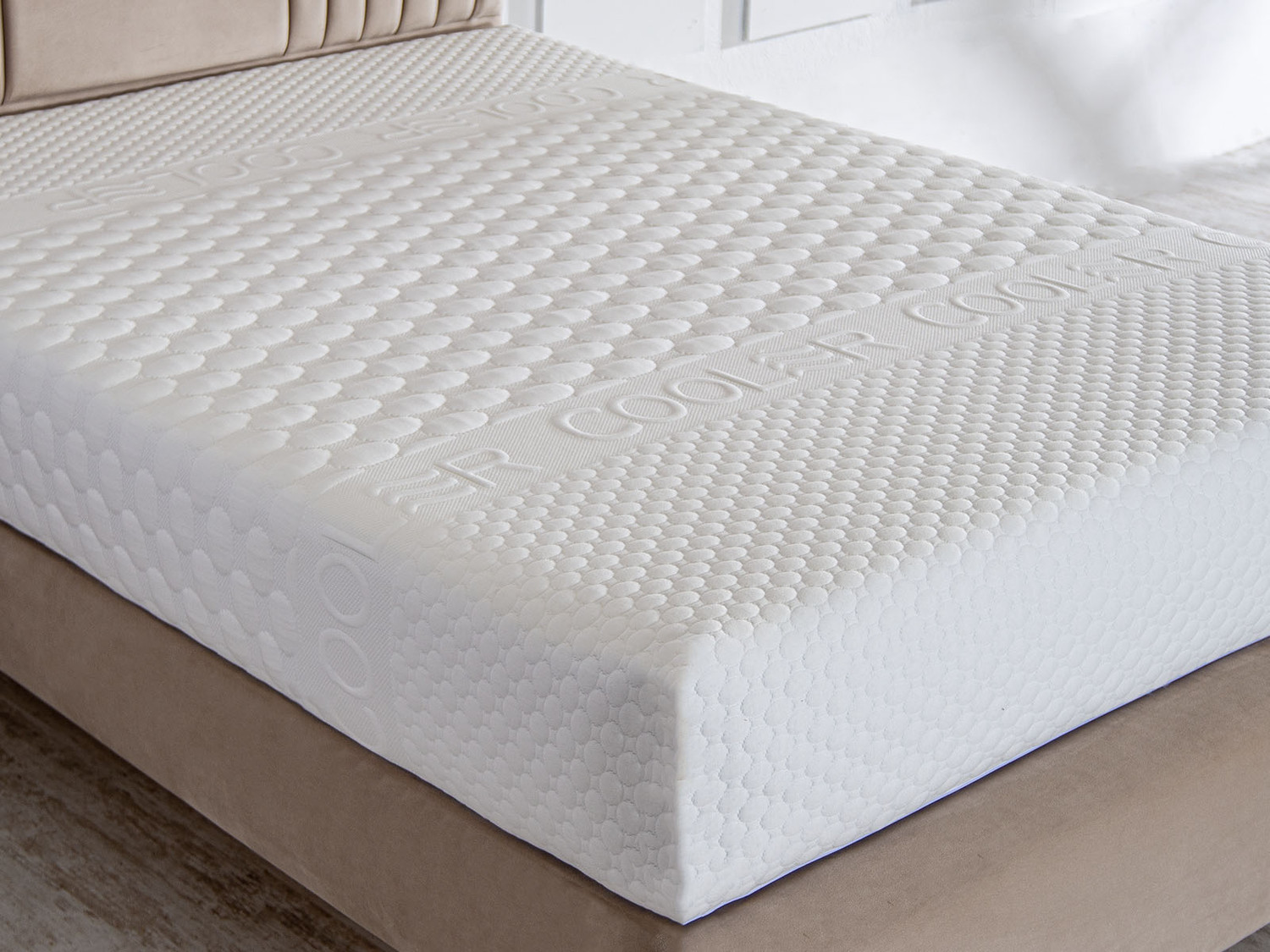
Honestly, I Made This Mistake Too — Buying Based Only on Softness
When I bought my first "real" adult mattress, I walked into the store, lay down on the plushest option for thirty seconds, and declared it perfect. Three months later, my lower back was worse than before. What I didn't understand was that "plush" describes the feel of the surface layer — it says nothing about what's happening to your spine six inches deeper.
Mattress marketing is brilliant at selling comfort language: "cloud-like," "sink-in softness," "pressure-free sleep." None of that tells you whether the lumbar zone is supported or whether the foam will hold up past the warranty honeymoon period.
A mattress won't cure medical conditions overnight, but the right support can dramatically reduce sleep-related pain. That's a realistic expectation — not a miracle claim. If you have a diagnosed disc condition or severe scoliosis, please work with your physician or physiotherapist alongside any mattress change.
Comparison Table — Best Memory Foam Mattresses for Back Pain in 2026
| Mattress | Firmness | Cooling | Motion Isolation | Best Position | Price Range | Trial | Warranty | Best For |
| Tempur-Pedic ADAPT | Medium / Medium-Firm | Excellent | Excellent | All positions | $2,199–$3,799 | 90 nights | 10 years | Chronic pain, premium buyers |
| Nectar Premier | Medium-Firm | Good | Excellent | Side / Back | $899–$1,499 | 365 nights | Lifetime | Sciatica, value seekers |
| Casper Wave Hybrid | Medium | Very Good | Good | Side / Back | $1,595–$2,595 | 100 nights | 10 years | Herniated disc, zoned support |
| Emma Original | Medium | Good | Very Good | Side / Back | $649–$999 | 100 nights | 10 years | Hip and shoulder pressure |
| Saatva Classic | Soft / Luxury Firm / Firm | Very Good | Good | Back / Stomach | $1,395–$2,395 | 365 nights | Lifetime | Lower back pain, lumbar support |
| Puffy Lux | Medium | Good | Excellent | Side / Back | $1,099–$1,699 | 101 nights | Lifetime | Arthritis, joint pain |
| Helix Midnight | Medium | Good | Very Good | Side sleepers | $899–$1,499 | 100 nights | 10 years | Sciatica, couples |
| Brooklyn Bedding Aurora Luxe | Soft / Medium / Firm | Excellent | Very Good | All positions | $999–$1,799 | 120 nights | 10 years | Hot sleepers, athletes |
Memory Foam vs Hybrid vs Latex — Which Is Better for Back Pain?
Memory Foam Pros and Cons
- Pros: Exceptional pressure relief, superior motion isolation, excellent body contouring for spinal alignment
- Cons: Can retain heat (unless gel-infused), minimal bounce, can feel "stuck"
Hybrid Mattress Pros and Cons
- Pros: Better airflow from coil base, more responsive feel, excellent edge support
- Cons: More expensive, slightly less motion isolation, heavier to move
Latex Mattress Pros and Cons
- Pros: Natural materials, highly durable (10–15 years), responsive and buoyant
- Cons: Heavy, expensive, less contouring than memory foam
What Most People Get Wrong Is Thinking One Mattress Fits Everyone
The real answer to "which is best" is: it depends on your body type, your sleep position, and what kind of pain you're dealing with. A 220-pound stomach sleeper with lumbar disc issues needs something completely different from a 120-pound side sleeper with hip bursitis. Use the body type + sleep position + pain type framework to narrow your shortlist before committing.
Also read: Memory Foam Mattress Guide 2026: What Most People Get Wrong Before Buying One
Step-by-Step Guide to Choosing the Right Mattress for Back Pain
Step 1 — Identify Your Sleep Position
Side, back, or stomach? Or a combination? Your dominant position dictates your pressure zone priorities and the firmness range you should be shopping in.
Step 2 — Determine Your Pain Type
Lower back pain, sciatica, arthritis, herniated disc, or hip pain each benefit from slightly different mattress characteristics. Know your diagnosis before you shop.
Step 3 — Match Firmness to Body Weight
Use the weight guidelines above. A 150-pound person and a 250-pound person will experience the same mattress completely differently. Firmness ratings are given for an "average" body — adjust accordingly.
Step 4 — Check Foam Density and Support Layers
Look for at least 4 PCF in the comfort layer and a firm base layer of 1.8 PCF or higher. Mattresses that disclose these numbers are usually the ones with nothing to hide.
Step 5 — Test Cooling Features
If you tend to sleep warm, prioritize gel-infused or open-cell foam and a breathable cover. Don't assume all memory foam sleeps hot — modern versions are significantly improved.
Step 6 — Review Trial Period and Warranty
Never buy a mattress without a minimum 100-night trial. Your body needs time to adjust, and you need time to assess real back pain improvement. A lifetime or 10-year warranty signals manufacturer confidence in their product.
Step 7 — Test Edge Support and Motion Isolation
Edge support matters if you share a bed or tend to sleep near the sides. Motion isolation matters if your partner's movements wake you. Both affect sleep quality and, therefore, back pain recovery.

This Is Where Things Get Real — Cheap Foam Mattresses Often Fail Within 2 Years
I've watched this play out over and over again. Someone buys a $300 foam mattress, feels good for six months, then spends the next year and a half sleeping in a crater. Low-density foam (under 3 PCF) compresses unevenly under body weight, creating dips that throw the spine out of alignment just as badly as a decades-old innerspring mattress.
Warning signs your mattress is failing:
- Visible body impressions deeper than 1 inch
- Waking up stiffer than when you went to bed
- Rolling toward the center of the bed involuntarily
- Noticeably better sleep when you stay at a hotel
- Increased lower back or hip pain over the past 3–6 months
Certifications matter here too. CertiPUR-US and OEKO-TEX aren't just safety badges — they indicate a manufacturer investing in quality control, which usually correlates with better foam density and construction standards.
Mattress Certifications and Safety Standards Most Buyers Ignore
CertiPUR-US Certification
This US-based standard certifies that foam is made without harmful chemicals including formaldehyde, heavy metals, and ozone depleters. It also tests for low VOC (volatile organic compound) emissions — important for air quality