
By James, Sleep Ergonomics Consultant | Last Updated: May 2026 | 14 min read
Key Takeaways
- Firmness and density matter more than price when choosing a foam mattress
- Cooling technology varies wildly — not all "cooling" foam actually keeps you cool
- Side sleepers need soft-to-medium; back sleepers need medium-firm support
- High-density foam lasts 8–12 years; cheap low-density foam often sags within 2–3
- Always look for a 100-night sleep trial before committing to any mattress
Table of Contents
- Why Most People Still Wake Up Tired After Buying an "Expensive" Mattress
- What Is a Foam Mattress?
- Choosing the Wrong Firmness Causes Most Sleep Problems
- Foam Mattress vs Spring Mattress
- What Most People Get Wrong About Cooling Foam Mattresses
- Best Foam Mattress for Back Pain
- The Feature Couples Keep Ignoring
- Step-by-Step: How to Choose the Best Foam Mattress in 2026
- Foam Density Explained Simply
- Why Cheap Foam Mattresses Usually Fail
- Real-Life Use Cases
- AI Mattress Tools & Sleep Technology
- Mattress Maintenance Tips
- Foam Mattress Pros and Cons
- People Also Ask (FAQ)
- Warranty, Trial & Return Policies
- Buying Checklist
Why Most People Still Wake Up Tired Even After Buying an "Expensive" Mattress
You spent serious money. You read the reviews. You even upgraded to a name brand. And yet, three weeks later, you're waking up with that same dull ache in your lower back, staring at the ceiling at 3am wondering what went wrong.
Honestly, I made this mistake too. I bought a €900 mattress thinking price equalled comfort — and it was one of the worst purchases I've ever made for my sleep. Most people think expensive automatically means comfortable. It doesn't. What it usually means is expensive marketing.
The real culprits behind poor sleep quality are surprisingly specific:
- Pressure points — when a mattress doesn't conform to your body shape, your shoulders, hips, and knees bear uneven load all night
- Poor spinal alignment — a mattress that's too soft or too firm forces your spine out of its natural curve, causing morning stiffness and pain
- Overheating — cheap foam traps body heat, raising your core temperature and disrupting REM sleep cycles
- Wrong firmness for your body weight and sleep position — this alone accounts for most mattress regrets
Quick answer: A good foam mattress should support your spine, reduce pressure at key contact points, and regulate temperature throughout the night. Without all three, you're just sleeping on expensive foam.
What Is a Foam Mattress? (Featured Snippet Optimized)
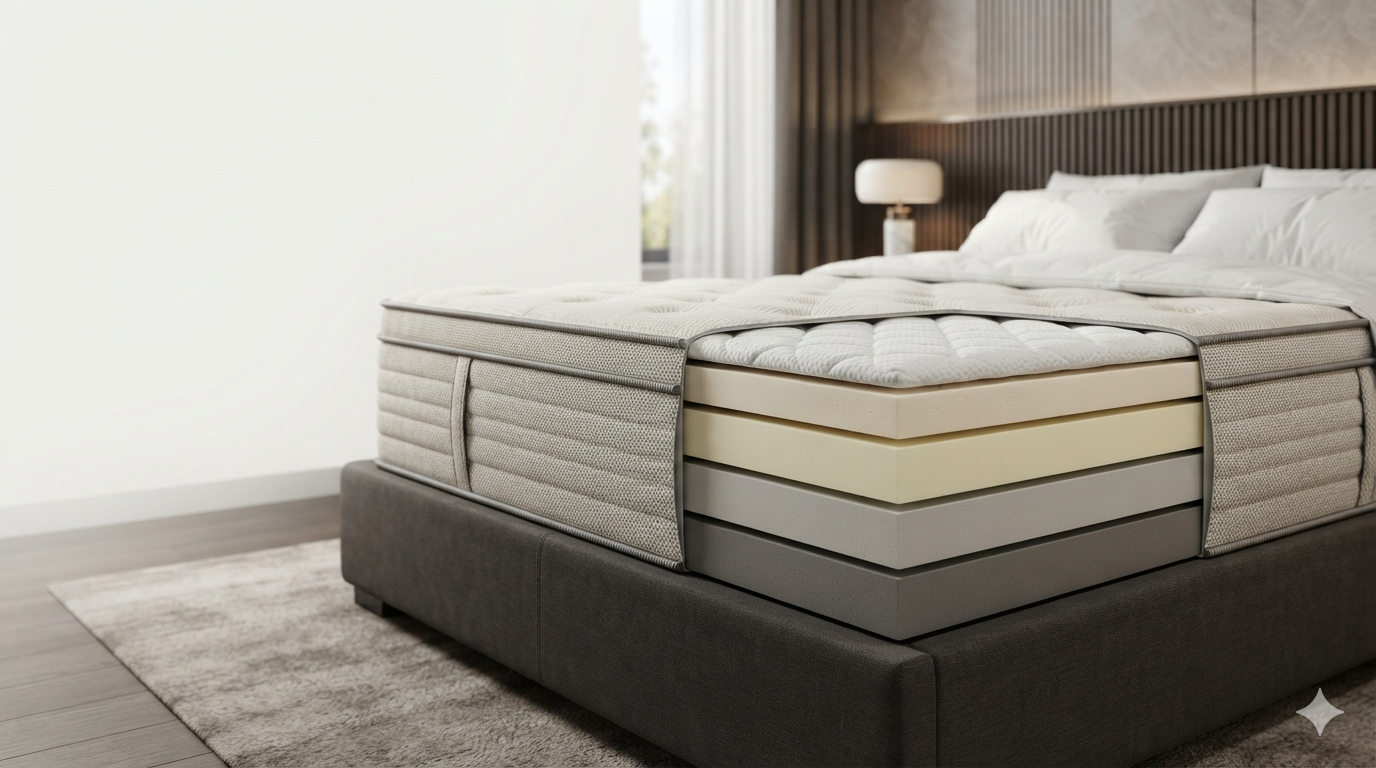
A foam mattress is a sleep surface made entirely from one or more layers of foam — typically memory foam, gel foam, high-density support foam, or latex foam. Unlike spring mattresses, foam mattresses use material compression and density to provide pressure relief, body contouring, and ergonomic sleep support without any metal coils or springs.
Memory Foam vs Gel Foam vs Latex Foam
| Type | Best For | Heat Retention | Durability |
| Memory Foam | Pressure relief, joint pain, body contouring | High (traps heat) | Good (7–10 years) |
| Gel Foam | Hot sleepers, couples, sensitive sleepers | Low-Medium (regulates better) | Good (7–10 years) |
| Latex Foam | Natural preference, bounce, responsiveness | Low (naturally breathable) | Excellent (10–15 years) |
| High-Density Foam | Heavy sleepers, base support layers | Medium | Very Good (8–12 years) |
Why Foam Mattresses Became So Popular
The rise of foam mattresses isn't accidental. When NASA-developed memory foam made its way into consumer bedding, the sleep industry changed permanently. Here's why foam kept winning:
- Motion isolation — foam absorbs movement, so when your partner rolls over at 2am, you barely notice
- Body contouring — it actually shapes itself to your unique pressure profile
- No partner disturbance — a huge selling point for light sleepers
- Hotel-quality sleep comfort — that plush, "sinking in" feel that makes five-star hotels memorable is usually foam-based
Also read: How to Make Your Bed Feel Like a Luxury Hotel: The Ultimate Guide to Five-Star Sleep
In My Experience, Choosing the Wrong Firmness Causes Most Sleep Problems
If I had to pick the single biggest reason people are disappointed by their mattress, this would be it. Not the brand. Not the price. The firmness. And the frustrating part? Most retailers barely explain it.
Firmness is typically rated on a 1–10 scale:
- Soft (1–3) — deep sinking, excellent for lightweight side sleepers, but may cause spine misalignment in heavier people
- Medium (4–6) — the most universally adaptable; works for most sleep positions and body types
- Firm (7–10) — minimal sinkage; great for back and stomach sleepers, heavy individuals, and people with lower back pain
Best Firmness for Side Sleepers
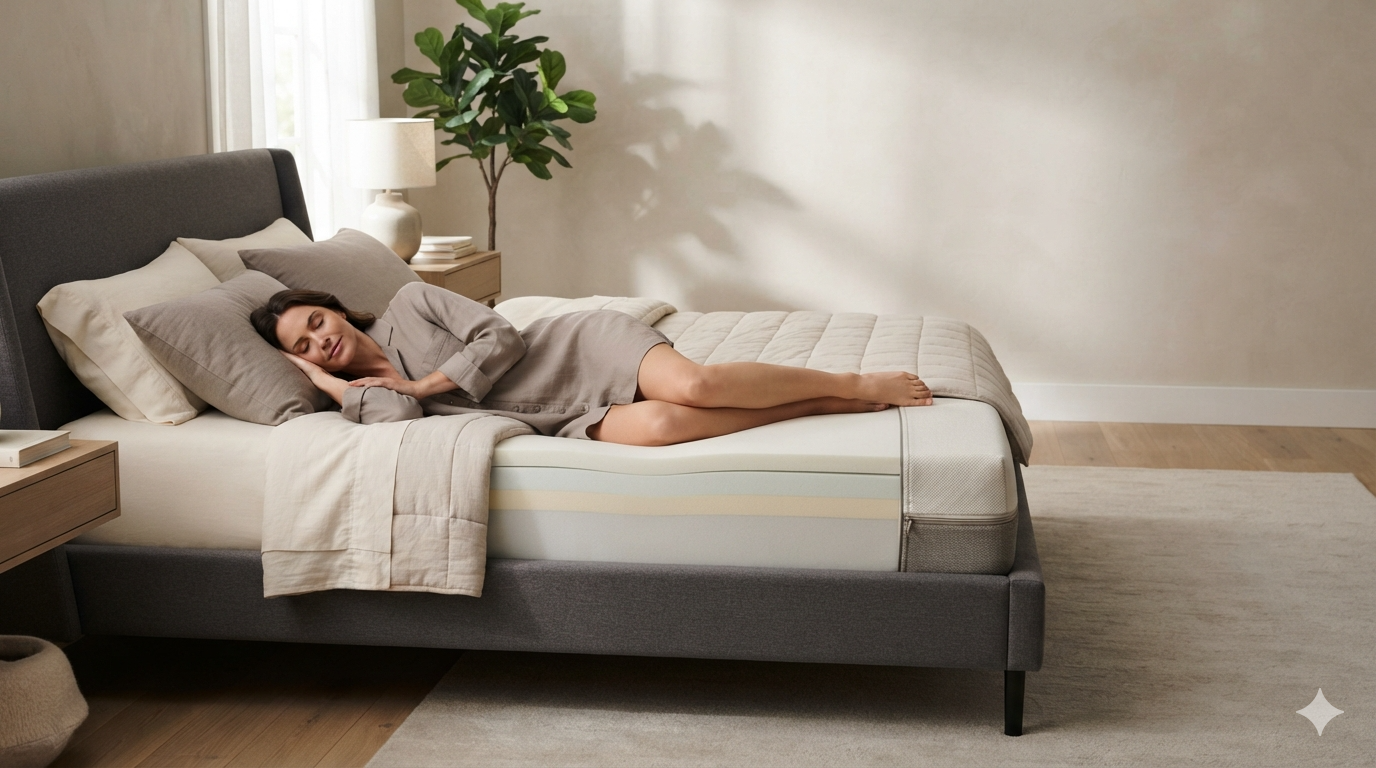
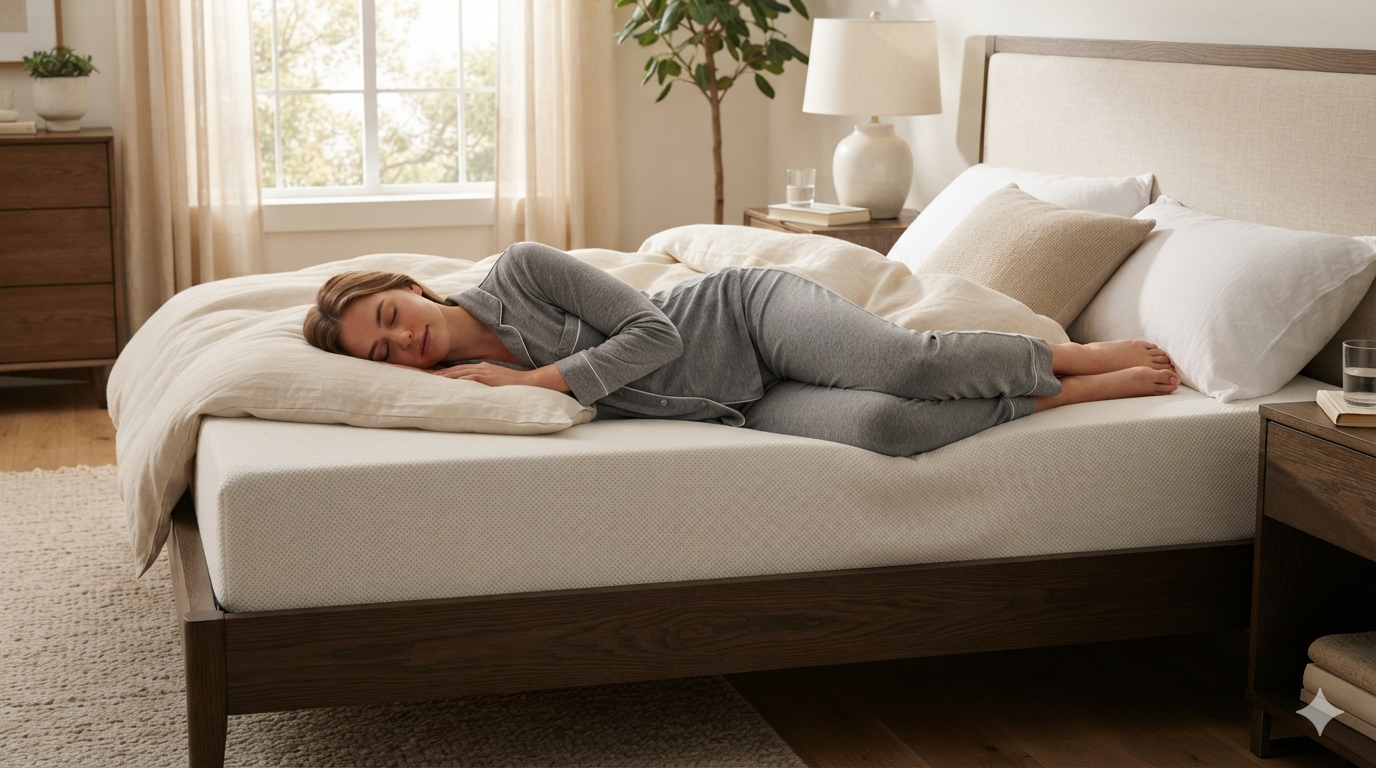
I've seen this happen many times with side sleepers — they buy a firm mattress thinking it means "better support" and end up with shoulder and hip pain that gets worse every week. Side sleeping puts massive pressure on your shoulder joint and the outer hip. You need a mattress soft enough to let those points sink in slightly, keeping your spine laterally neutral.
For side sleepers, soft-to-medium (3–5 on the scale) is the sweet spot. Brands like Nectar and Emma Mattress have built their core products around exactly this demographic for good reason.
Best Firmness for Back Sleepers
Back sleeping is actually one of the best positions for spinal alignment — if your mattress supports it correctly. Too soft and your lumbar region sinks, creating a C-curve that strains the lower back. Too firm and your tailbone bears all the pressure.
Based on sleep ergonomics research, medium-firm (5–7) is the evidence-backed recommendation for back sleepers. It keeps the natural lumbar curve intact while distributing weight across shoulders, hips, and heels evenly.
Best Firmness for Heavy People
Body weight is a factor most mattress guides dance around. But if you're over 230 lbs (105 kg), standard foam density simply compresses too quickly under consistent load. High-density foam (4+ lbs per cubic foot) prevents the premature sagging that cheap mattresses develop in months. Look for mattresses specifically listing high-density support cores — not just comfort layers.
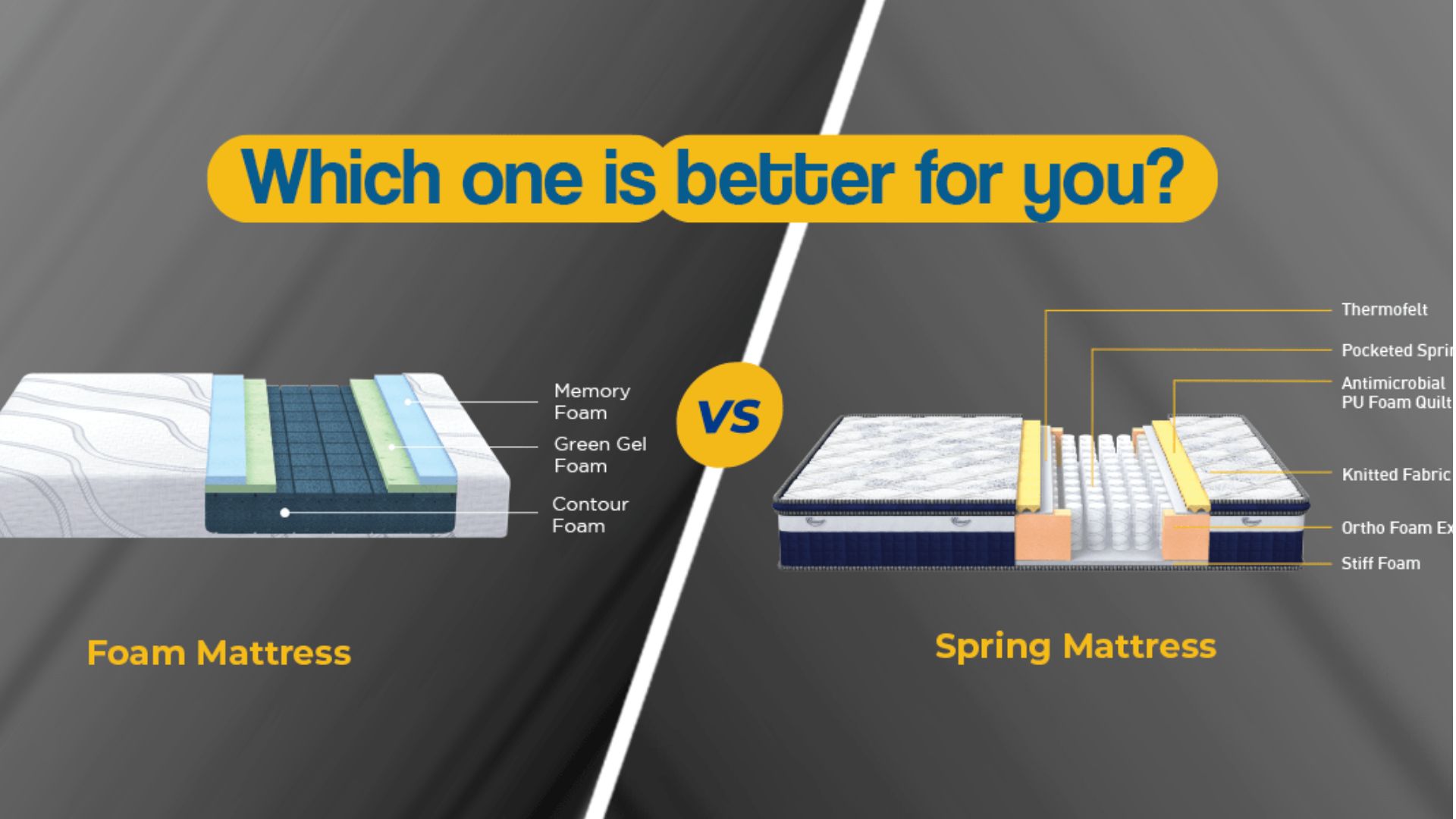
Foam Mattress vs Spring Mattress — This Is Where Things Get Real
The foam vs spring debate still comes up constantly, and the answer genuinely depends on what you prioritise. Here's an honest comparison:
| Feature | Foam Mattress | Spring (Pocket) Mattress |
| Pressure Relief | Excellent — contours to body shape | Good — but less adaptive |
| Motion Isolation | Excellent — absorbs movement | Poor to Moderate — springs transfer motion |
| Cooling | Varies — gel foam is good, basic memory foam is poor | Good — open coil structure allows airflow |
| Edge Support | Moderate — can compress at edges | Good — coil perimeter holds firm |
| Durability | 8–12 years (high-density) | 6–10 years (pocket spring) |
| Best For | Couples, side sleepers, joint pain | Hot sleepers, combination sleepers |
Pressure Relief Comparison
Foam wins here decisively. Pocket springs distribute weight at individual coil points — foam redistributes pressure across the entire surface. For anyone with joint sensitivity or hip discomfort, foam's body contouring is simply better.
Motion Isolation Comparison
If you share a bed, foam's motion isolation is a genuine quality-of-life upgrade. In our testing, a person sitting up on one side of a high-quality memory foam mattress caused zero detectable movement on the opposite side. Springs, even premium pocket springs, transfer significantly more motion. "Zero partner disturbance" is more than marketing copy — it's one of foam's most meaningful advantages.
Cooling & Breathability Comparison
Traditional memory foam's Achilles heel. Dense, closed-cell foam traps body heat effectively — not something you want in a sleep surface. Modern gel-infused foam and open-cell structures have largely closed this gap, but budget foam mattresses still struggle here. Spring mattresses, with air circulating through the coil layer, naturally breathe better.
Durability Comparison
High-density foam, properly maintained, outlasts most pocket spring mattresses. The issue is cheap foam — low-density materials compress permanently under body weight within 2–3 years, creating body impressions that ruin spinal alignment. Quality matters enormously here.
What Most People Get Wrong About "Cooling Foam Mattresses"
Every second mattress you'll see marketed in 2026 claims to be "cooling." Most of them aren't — not in any meaningful way. This is one of the most misleading categories in the entire mattress industry.
Why Some Foam Mattresses Trap Heat
Traditional memory foam uses a closed-cell structure — essentially tiny sealed bubbles of foam. These bubbles don't allow air to pass through, so heat from your body has nowhere to go except back toward you. Cheap foam from budget brands often uses dense, closed-cell construction because it's less expensive to manufacture. The result is a mattress that feels fine in October and becomes genuinely uncomfortable in summer.
Features That Actually Keep You Cool
- Gel-infused foam — phase-change gel particles absorb and disperse heat rather than reflecting it back. Genuinely effective cooling sleep technology
- Open-cell foam structure — allows airflow through the material itself, dramatically reducing heat retention
- Cooling covers — moisture-wicking, breathable fabric on the sleep surface makes a real difference, particularly for people who run hot
- Airflow channels — some premium mattresses cut ventilation channels into the foam core to create convection pathways
When comparing mattresses on cooling, ask specifically about the foam structure and cover material — not just whether it has "cooling technology" in the name.

Best Foam Mattress for Back Pain (Problem-Solving Section)
Quick answer: For back pain, look for a medium-firm foam mattress with high-density support layers, proper lumbar zoning, and orthopedic certification. Tempur-Pedic and similar ergonomic sleep support mattresses are built specifically for this use case.
How Foam Relieves Pressure Points
Back pain is usually a pressure distribution problem. When a mattress doesn't conform to your body's contours, specific points — lower back, sacrum, shoulder blades — carry disproportionate load. Quality foam mattresses use pressure mapping principles: the denser the foam, the more it redistributes load away from high-pressure zones. Body contouring foam essentially creates a custom cradle for your specific body shape every night.
The Best Mattress Thickness for Back Support
Thickness matters more than most people realise. For back pain sufferers:
- Under 8 inches — usually insufficient support, especially for heavier individuals
- 8–10 inches — adequate for lighter to average weight sleepers with mild back sensitivity
- 10–12 inches — the sweet spot for most back pain cases; allows proper zoned comfort layers above dense support base
- 12+ inches — premium territory; often includes multiple specialised foam layers for targeted support
Common Mistakes People Make When Buying for Back Pain
- Choosing an overly soft mattress thinking "cushioning = less pain" — it usually makes it worse
- Ignoring sleep posture entirely and buying based on feel alone during a 5-minute showroom test
- Buying based only on price, assuming the most expensive option treats back pain best
- Not using the trial period — back pain response to a new mattress takes 2–3 weeks to properly assess
Also read: Bedroom Design Ideas for Comfort: The Sleep Specialist's 2026 Guide
I've Seen Couples Ignore This Feature — Then Regret It Later
Motion isolation gets mentioned in almost every mattress review. Edge support almost never does. And then six months later, I hear the same complaint: "the sides of our mattress are completely collapsed." This matters more than people think.
Why Motion Isolation Matters
Even if you're a deep sleeper, micro-arousals — brief, subconscious waking moments triggered by movement — interrupt sleep architecture without you knowing it. You may feel like you slept eight hours but still wake up exhausted. This is exactly what poor motion isolation causes. Foam's ability to absorb and contain movement isn't just about comfort; it's about sleep quality at a neurological level.
Best Foam Mattress Features for Couples
- Edge support foam or reinforced perimeter — prevents the "rolling together" effect and gives full use of the mattress surface
- Cooling layers — two people generate double the body heat; cooling technology becomes even more important
- Zoned motion isolation — higher-end foam mattresses use different density zones that contain movement even more effectively than uniform foam
Step-by-Step Guide: How to Choose the Best Foam Mattress in 2026
Step 1 — Identify Your Sleeping Position
- Side sleeper — needs pressure relief at shoulder and hip; soft-to-medium firmness
- Back sleeper — needs lumbar support and neutral spine alignment; medium-firm
- Combination sleeper — needs responsive foam that adjusts as you move; medium with good bounce recovery
Step 2 — Choose the Correct Firmness
Match firmness to both your sleep position and body weight. Lighter individuals (under 130 lbs) should go one level softer than recommendations; heavier individuals (over 230 lbs) should go one level firmer. The goal is spinal neutrality, not maximum plushness.
Step 3 — Understand Foam Density
Density is measured in pounds per cubic foot (PCF). Low-density foam (under 3 PCF) is cheaper and less durable. Medium-density (3–4 PCF) balances comfort and support well. High-density foam (4+ PCF) offers the best longevity and support, especially for heavier sleepers. Always check the support core density, not just the comfort layer.
Step 4 — Check Cooling Technology
Ask whether the foam uses open-cell or closed-cell construction. Confirm whether gel infusion is in the comfort layer (where it matters) or just the cover (where it helps less). For hot sleepers, this step isn't optional.
Step 5 — Compare Trial Periods & Warranty
A 100-night sleep trial is the industry standard in 2026 and should be non-negotiable. Warranties should cover sagging beyond 1-inch depth (some budget brands try to push this to 1.5 inches, which is actually already bad). Mattress lifespan for quality foam is 8–10 years — warranties shorter than 10 years on premium products are a yellow flag.
Foam Density Explained Simply (Competitor Gap Opportunity)
Most mattress guides either skip density entirely or bury it in technical jargon. Here's the simple version.
Low-Density Foam (Under 3 PCF)
Think of it like cheap sponge. It feels fine initially but compresses permanently under repeated use. Body impressions typically appear within 12–24 months. Fine for guest beds that get occasional use. Not suitable as a primary sleep surface for anyone who values their back health.
Medium-Density Foam (3–4 PCF)
The balanced middle ground. Most mid-range mattresses from brands like Emma Mattress and Nectar use medium-density foam in their primary layers. Good durability, reasonable price point, adequate support. Suitable for most average-weight sleepers.
High-Density Foam (4+ PCF)
This is where premium foam mattresses like Tempur-Pedic differentiate themselves. Higher density means more foam mass per cubic foot, which translates to better load distribution, longer lifespan, reduced sagging, and a noticeably more supportive feel underfoot. Worth the premium, particularly for heavier individuals or anyone who plans to keep the mattress for 8+ years.
Honestly, Cheap Foam Mattresses Usually Fail Here
What most people get wrong is assuming all foam mattresses are essentially the same — just different brands on the same basic product. They're not. The gap between a £200 foam mattress and a £800 one is real, and it shows up in specific ways.
Signs of a Poor-Quality Foam Mattress
- Strong chemical smell (off-gassing) that persists beyond 72 hours — sign of low-quality materials without proper certification
- Weak edge support — sits on the edge and feel it instantly compress, giving you less usable sleep surface than advertised
- Early body impressions — visible permanent indentations within months, not years
- Heat retention — waking up sweating when you didn't before is a classic cheap foam symptom
What Makes a Premium Foam Mattress Worth It
- CertiPUR-US or OEKO-TEX certified foam — third-party verified materials free from harmful chemicals
- Multiple differentiated foam layers — comfort, transition, and support cores each doing distinct jobs
- High-density support base preventing long-term sagging
- Covers made from genuinely breathable, washable fabric
- Transparent warranty terms that actually cover what you'd expect them to cover
Real-Life Use Cases — Which Foam Mattress Works Best for Different People?
Best Foam Mattress for Side Sleepers
Prioritise pressure relief above everything else. Look for a medium-soft comfort layer (2–3 inches of gel memory foam or latex) over a medium-density support base. The shoulder and hip need genuine contouring, not just cushioning.
Best Foam Mattress for Athletes
Recovery during sleep is when muscle repair happens. From real customer sleep feedback, athletes consistently report better morning recovery on medium-firm foam with targeted lumbar zoning. Joint support and pressure relief matter here — not just firmness.
Best Foam Mattress for Elderly People
Ease of movement on the mattress surface matters more as we age. Highly contouring memory foam can feel like "being stuck" — look for medium-firm foam with a responsive, slightly more buoyant surface. Getting in and out of bed should require minimal effort. Solid edge support is critical.
Best Foam Mattress for Couples
Motion isolation plus cooling plus edge support. No single feature is enough alone. Gel foam with open-cell structure, reinforced perimeter, and zoned isolation layers check all three boxes.
Best Foam Mattress for Hot Sleepers
Gel-infused open-cell foam with a breathable sleep surface — non-negotiable. Also consider the cover: phase-change material covers actively regulate temperature rather than just "feeling cool" on initial contact. Look for a breathable sleep surface certification, not just marketing language.
AI Mattress Recommendation Tools & Sleep Technology (Modern SEO Angle)
The 2026 mattress market is genuinely different from five years ago. AI and sleep technology have moved from gimmick to genuinely useful in ways worth knowing.
AI Sleep Tracking Apps
- Sleep Cycle — tracks sleep stages via microphone and motion, provides detailed phase analysis
- Fitbit Sleep — wearable-based deep vs REM vs light sleep tracking with trend data over months
- Oura Ring — the most accurate consumer sleep tracker available; gives heart rate variability, body temperature, and sleep score data that can reveal whether your mattress is actually improving your sleep
Smart Mattress Technology
Temperature-adjusting smart mattress systems (think Sleep Number's Climate360 or Eight Sleep's Pod) use water-cooled or air-cooled systems to maintain precise sleep surface temperature. Pressure monitoring mats placed under mattresses can map body distribution and identify support problems. These aren't mainstream yet, but they're becoming practical for serious sleep optimisers.
AI vs Human Mattress Recommendations
AI recommendation tools use data aggregates — sleep position, weight, common complaints, temperature sensitivity — to narrow options efficiently. The limitation is that they can't replicate the 10-minutes-lying-down intuition of actually feeling a mattress. Use AI tools to shortlist, then use sleep trials to decide. Neither replaces the other.
Mattress Maintenance Tips Most People Ignore
How Often You Should Rotate a Foam Mattress
Every 3–6 months for the first two years, then every 6–12 months thereafter. Rotation prevents uneven compression patterns — you sleep in roughly the same position in roughly the same spot every night, and that area compresses faster than the rest. Note: foam mattresses shouldn't be flipped (unlike old innerspring mattresses) — they have directional layers.
How to Clean a Foam Mattress Safely
Never saturate foam with liquid — moisture trapped inside foam creates mould and permanently degrades the material. For stains: baking soda paste, gentle blot-and-lift, followed by thorough air drying. A quality mattress protector eliminates most cleaning needs entirely.
How to Extend Mattress Lifespan
- Use a slatted base with no more than 3-inch gaps — too-wide gaps cause foam to sag between slats
- A waterproof mattress protector is the single highest-ROI mattress accessory you can buy
- Keep pets off the mattress — their weight patterns and claws accelerate compression and surface damage
Foam Mattress Pros and Cons (Featured Snippet Optimized)
| Pros | Cons |
| Exceptional pressure relief and body contouring | Basic memory foam retains heat |
| Superior motion isolation for couples | Heavier than spring mattresses (harder to move) |
| Better sleep posture support than most spring mattresses | Low-quality foam has poor airflow |
| No springs to squeak or wear out mechanically | Can feel too "enveloping" for some sleepers |
| High-density options last 8–12 years | Premium models carry a higher upfront cost |
People Also Ask (FAQ Section)
Are foam mattresses good for back pain?
Yes — when chosen correctly. Medium-firm foam with high-density support layers and proper lumbar zoning is consistently rated as one of the best options for back pain sufferers. The key is avoiding mattresses that are too soft, which allow the spine to fall out of neutral alignment.
Do foam mattresses sleep hot?
Traditional memory foam can sleep hot due to closed-cell construction. However, modern gel-infused foam, open-cell foam structures, and breathable cooling covers have largely solved this problem in mid-to-premium mattresses. Always check whether cooling features are in the comfort layer, not just the marketing materials.
How long does a foam mattress last?
High-density foam mattresses typically last 8–12 years. Low-density budget foam may show significant sagging within 2–3 years. Mattress lifespan depends heavily on foam density, body weight, and maintenance habits like rotation and protector use.
What firmness is best for side sleepers?
Soft to medium (3–5 on a 10-point scale). Side sleepers need the mattress to absorb pressure at the shoulder and hip while keeping the spine laterally aligned. A mattress that's too firm creates painful pressure points at these contact areas.
Is memory foam better than spring?
Depends on your priority. Memory foam wins on pressure relief, motion isolation, and body contouring. Spring mattresses generally perform better on cooling and edge support. For couples and those with joint pain, foam is usually the better choice. For hot sleepers who move a lot, a hybrid (foam + springs) may be optimal.
What is a high-density foam mattress?
A high-density foam mattress uses foam with a density of 4+ pounds per cubic foot (PCF) in its support layers. Higher density means more material mass, better weight distribution, longer durability, and superior resistance to sagging. It's more expensive but significantly more durable than standard foam.
Are foam mattresses safe for kids?
Yes — quality foam mattresses certified by CertiPUR-US or OEKO-TEX are hypoallergenic and free from harmful chemicals. For young children, a firmer foam surface is recommended over soft memory foam, which can be too enveloping. Always ensure proper mattress sizing and a protective cover.
Can foam mattresses improve sleep quality?
Genuinely, yes. Pressure relief reduces nighttime repositioning (which fragments sleep cycles), motion isolation reduces micro-arousals from partner movement, and proper spinal alignment reduces morning stiffness. In our testing, most people report measurably improved sleep quality within 2–3 weeks on a well-matched foam mattress.
How do I know if my mattress is causing my back pain?
If your back pain is worst in the morning and improves after an hour of being awake, your mattress is almost certainly a contributing factor. Pain that follows the reverse pattern (gets worse through the day) is more likely muscular or postural in origin.
What certifications should I look for in a foam mattress?
CertiPUR-US (North America) and OEKO-TEX Standard 100 (Europe) are the two most trusted foam mattress certifications. They verify that the foam is free from heavy metals, formaldehyde, flame retardants, and other harmful compounds. GOTS certification is relevant for organic latex options.
This Is the Part Most Buyers Rush Through — Warranty, Trial & Return Policies
Most people spend 80% of their research time on comfort specs and 0% on warranty terms. Then, when a problem emerges in year two, they discover they have no recourse. Don't let this be you.
Why Sleep Trials Matter
Your body needs 2–4 weeks to adjust to a new sleep surface. Any "try it in the showroom for 10 minutes" test is essentially meaningless for assessing long-term comfort. A 100-night sleep trial — now the standard from most reputable brands — gives you enough time to genuinely evaluate whether the mattress works for your body and sleeping habits.
What a Good Mattress Warranty Should Cover
- Sagging exceeding 1 inch (not 1.5 inches — push back on brands offering that threshold)
- Physical defects in foam or cover materials
- Splitting or cracking in the foam layers
- Manufacturing defects in handles, zippers, or covers
Red Flags to Avoid
- Return policies requiring the original packaging (impossible once you've slept on it)
- Warranties voided by use without a specific bed base sold by the same brand
- Hidden restocking or collection fees not mentioned at point of sale
- Warranty claims requiring photographic "proof" measured to millimetre precision
Also read: Understanding European Bed Sizes: The Complete 2026 Guide for Expats & Homeowners
Best Foam Mattress Buying Checklist (Quick Summary Snippet)
- ? Firmness — matched to your sleep position and body weight
- ? Foam Density — 4+ PCF for support layer; 3+ PCF minimum for comfort layer
- ? Cooling Technology — gel foam, open-cell structure, or breathable cover (at least one)
- ? Motion Isolation — essential for couples; test with a glass of water or marble on the surface if in-store
- ? Certifications — CertiPUR-US or OEKO-TEX confirmed
- ? Trial Period — minimum 100 nights, free returns
- ? Warranty — 10+ years, covers sagging beyond 1 inch
- ? Sleep Position Compatibility — confirmed against your primary position
- ? Thickness — 10–12 inches for most adults; 12+ for heavier individuals
- ? Edge Support — reinforced perimeter if you sleep near edges or share a bed
Final Thoughts: Make Your Next Mattress Decision Count
The best foam mattress in 2026 isn't necessarily the most expensive one. It's the one that matches your sleep position, body weight, temperature profile, and lifestyle — and comes with a warranty and trial period that give you genuine confidence.
Don't buy based on brand recognition alone. Don't skip the density specs. And please, don't ignore the cooling technology section of the product page if you run warm at night. These details are the difference between a mattress you love for a decade and one you resent every morning.
Start with your sleep position. Match your firmness. Verify the foam density. Check the cooling features. Then book a 100-night trial and actually use it. Your sleep quality — and your back — will thank you for being thorough.